Kuwaiti military strikes back against Iranian drone and missile attacks
Kuwait announced it is responding to large-scale Iranian drone and missile attacks targeting U.S. military facilities on its soil, as Washington continues its own bombing campaign against Tehran following the death of two American soldiers in Jordan.
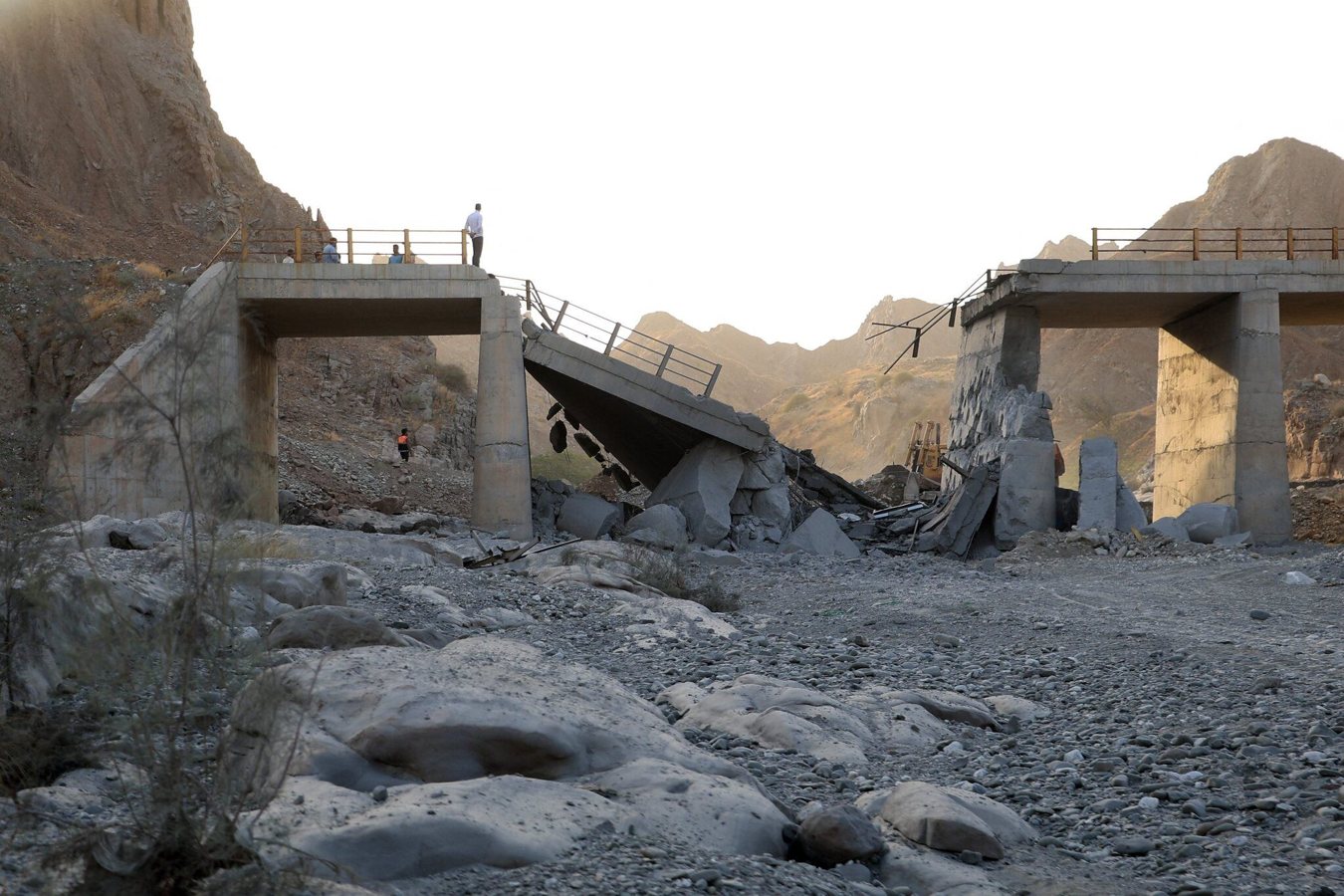
Kuwait’s armed forces announced Sunday that they are responding to Iranian missile and drone attacks, marking a significant escalation in the conflict between Iran and the United States and its allies in the Middle East. The Kuwaiti military said it was countering what it described as large-scale attacks involving suicide drones launched by the Islamic Republic of Iran, specifically targeting the U.S. military ammunition depot at Camp Udairi and the Ali al-Salem air base in Kuwait.
The attacks come as Washington continues its own bombing campaign against Iran, which was intensified after two American soldiers were killed in an Iranian strike on a U.S. military base in Jordan. A third U.S. soldier remains missing following that attack, according to the U.S. Central Command. The U.S. military has stated its intention to “punish” Iran for the deaths, and American airstrikes against Iranian positions have been ongoing.
The Iranian attacks on Kuwait were confirmed by Iran’s Islamic Revolutionary Guard Corps, which said it had launched the strikes against the two bases in Kuwait. The IRGC’s announcement came shortly after the U.S. Central Command declared its intent to retaliate for the deaths of the two American soldiers in Jordan. The situation has put the Gulf states on high alert, as the conflict between Iran and the U.S.-led coalition continues to widen.
The escalation began with the killing of two U.S. soldiers in Jordan, which Washington has attributed to Iranian forces. In response, the United States launched airstrikes against Iranian military targets. The Iranian retaliation against Kuwait, a key U.S. ally in the region, represents a significant broadening of the conflict, which had previously been largely confined to strikes between the U.S. and Iran directly, as well as involving Iranian-backed militias in Iraq and Syria.
Kuwait’s decision to publicly announce its military response underscores the seriousness of the situation. The country hosts significant U.S. military forces, including at Camp Udairi and Ali al-Salem air base, which are crucial logistics and air power hubs for U.S. operations in the region. The Iranian attacks on these facilities are a direct challenge to the U.S. military presence in the Gulf and a test of the alliance’s resolve.
The conflict has drawn in other regional actors as well. The Gulf states, including Saudi Arabia, the United Arab Emirates, and Qatar, have been closely monitoring the situation, with some expressing concern about the potential for a wider war. The United Nations and other international bodies have called for restraint, but the cycle of retaliation appears to be accelerating. The U.S. has not indicated any willingness to de-escalate, and Iran has shown no sign of backing down.
The human cost of the conflict is also mounting. In addition to the two U.S. soldiers killed in Jordan and the missing soldier, there have been reports of casualties on both sides from the ongoing airstrikes. The situation remains fluid, with the potential for further escalation as both the U.S. and Iran continue to strike at each other and at each other’s allies. The international community is watching closely, with many fearing that the conflict could spiral into a broader regional war.
80