Massive wildfire in Fontainebleau forest prompts major response in Île-de-France
A wildfire of exceptional scale has ravaged 800 hectares in the Fontainebleau forest, leading to major rail disruptions and the deployment of aerial firefighting resources for the first time in the region. Interior Minister Laurent Nuñez is expected on site Monday morning.
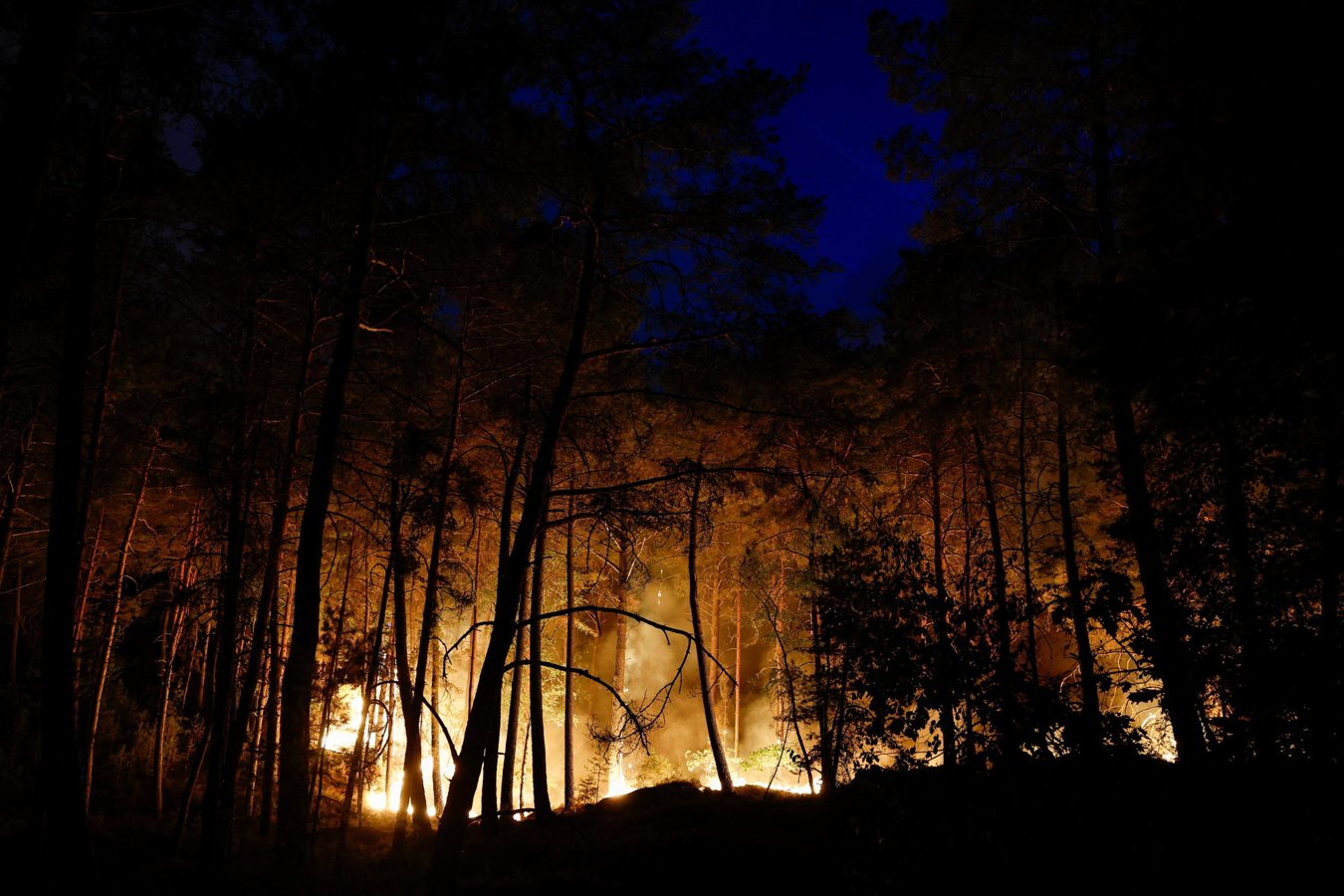
A wildfire described as having «ampleur exceptionnelle» — exceptional scale — has been burning in the Fontainebleau forest, south of Paris, since Sunday, July 12, 2026. The blaze, which had already consumed approximately 800 hectares by early Monday, has triggered an unprecedented response in the Île-de-France region, including the deployment of two water-bombing aircraft, a first for the area. The fire, fueled by a severe heatwave gripping much of France, has also caused significant disruptions to rail services across the region.
Interior Minister Laurent Nuñez is scheduled to visit the affected area on Monday morning to assess the situation and coordinate further response efforts. The minister’s visit underscores the gravity of the incident, which local authorities have labeled as exceptional in both scale and intensity. The fire broke out in the western part of the Fontainebleau forest, a vast wooded area popular with hikers and tourists, and quickly spread due to dry conditions and high temperatures associated with the ongoing heatwave.
Firefighting efforts have been massive, with around 400 firefighters mobilized to combat the flames. The use of two water-bomber aircraft marks a significant escalation in resources, as aerial firefighting is rarely employed in the Île-de-France region, which is not typically prone to large-scale wildfires. The aircraft have been deployed to drop water and fire retardant on the most active fronts, while ground crews work to establish containment lines and protect nearby structures. The fire has not yet been brought under control, and authorities have warned that the situation remains volatile, with weather conditions expected to remain hot and dry throughout the day.
The wildfire has also had a major impact on transportation. Rail services in the Île-de-France region have been severely disrupted, with several lines suspended or delayed due to the proximity of the fire to railway infrastructure. Commuters have been advised to check for updates and seek alternative routes. The disruptions add to the challenges faced by residents already dealing with the heatwave, which has pushed temperatures above 35 degrees Celsius in parts of the country.
The Fontainebleau fire is part of a broader pattern of wildfires affecting several regions of France during the current heatwave. Other fires have been reported in the south and west of the country, stretching emergency services and highlighting the increasing risk of such events amid rising global temperatures. The heatwave, which began over the weekend, is expected to persist for several more days, raising concerns about further fire outbreaks and public health risks, particularly for vulnerable populations such as the elderly and those with pre-existing health conditions.
Local authorities have urged residents and visitors to avoid the affected areas and to follow safety instructions. Evacuations have been carried out in some communities near the fire, though no casualties have been reported so far. The fire’s rapid spread has prompted calls for vigilance, with officials emphasizing the need for preparedness as climate change increases the frequency and intensity of extreme weather events. The situation in Fontainebleau remains closely monitored, with additional resources being made available as needed.
86