Massive Wildfire in Southern France Forces Evacuations and Disrupts Tour de France
A massive wildfire in the Pyrénées-Orientales department of southern France has burned over 4,600 hectares of vegetation, forcing the evacuation of 26 communes and prompting authorities to adapt the third stage of the Tour de France, which will proceed without spectators.
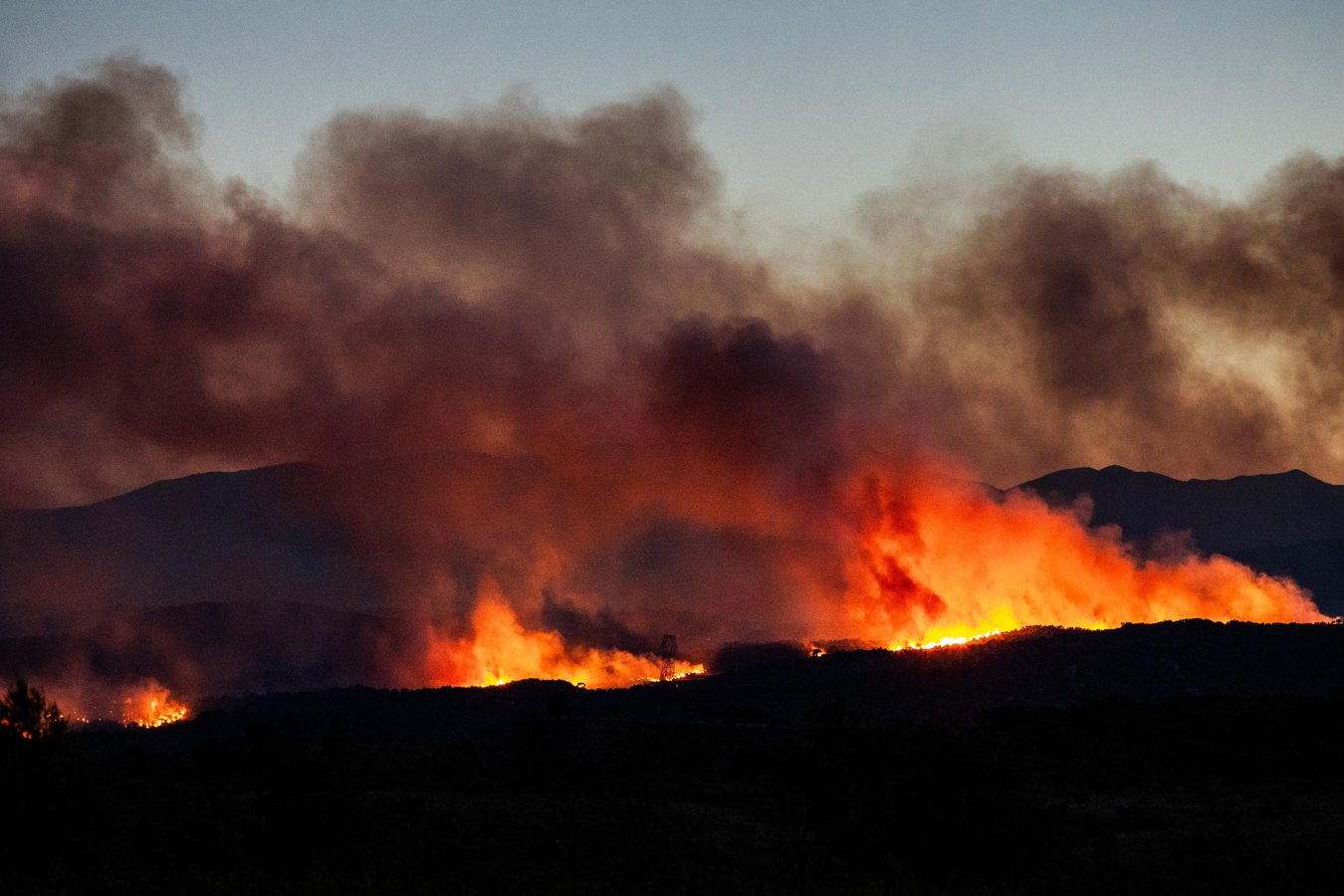
A colossal wildfire in the Pyrénées-Orientales department of southern France has scorched at least 4,600 hectares of vegetation in less than 24 hours, prompting the evacuation of tens of thousands of residents and forcing a major reorganization of the third stage of the Tour de France. The blaze, described by local officials as a «feu gigantesque» or giant fire, broke out on Sunday, July 5, 2026, in the Aspres region near the town of Millas and quickly spread due to intense heat and dry conditions. As of Monday morning, the fire had not been brought under control, though authorities noted that it had not advanced significantly overnight.
The prefect of the Pyrénées-Orientales department, Pierre Regnault de la Mothe, ordered the evacuation of 26 communes, including the town of Ille-sur-Têt, affecting approximately 10,000 people. Emergency services have mobilized hundreds of firefighters, supported by water-bombing aircraft, to battle the flames. The fire has consumed vast tracts of forest and scrubland, threatening homes and infrastructure in the region. No casualties have been reported so far, but the situation remains critical as firefighters work to prevent the blaze from reaching populated areas.
The third stage of the Tour de France, scheduled for Monday, July 6, was originally planned to pass through parts of the Pyrénées-Orientales. In response to the wildfire and the deployment of emergency resources, race organizers, in coordination with local authorities, decided to proceed with the stage but without any spectators along the route. The stage will be held behind closed doors, meaning no public access will be allowed, to ensure the safety of riders, staff, and residents, and to avoid interfering with firefighting operations. This marks a rare disruption for the world’s most famous cycling race, which has previously faced route changes due to weather or security concerns.
The wildfire is the latest in a series of extreme weather events affecting France during a severe heatwave. The country has been gripped by a canicule, or heatwave, with several departments placed under orange vigilance alerts for high temperatures. The combination of scorching temperatures, low humidity, and strong winds has created ideal conditions for the rapid spread of wildfires. Meteorologists have warned that the heatwave could persist for several more days, raising fears of additional fire outbreaks across the southern regions.
Local authorities have set up temporary shelters for evacuees in nearby towns and are urging residents to follow evacuation orders without delay. Roads in the affected areas have been closed to facilitate emergency access, and residents are advised to stay informed through official channels. The prefecture has also appealed for calm and cooperation, emphasizing that the priority is to protect human life and property. Firefighting efforts are being coordinated with neighboring departments, and additional reinforcements have been requested from national resources.
The wildfire in the Pyrénées-Orientales is part of a broader pattern of increasingly intense and frequent wildfires in the Mediterranean region, driven by climate change and land-use practices. France has experienced several major wildfires in recent years, including devastating blazes in the Gironde and Var departments. The current fire underscores the growing challenges faced by emergency services in managing such events, particularly during prolonged heatwaves. Environmental experts have called for improved forest management, early warning systems, and public awareness campaigns to mitigate the risks.
As the fire continues to burn, the focus remains on containment and protecting affected communities. The Tour de France, which attracts global attention, has adapted its plans to minimize disruption while respecting the gravity of the situation. The race is expected to proceed with the modified stage, but further adjustments may be necessary if the fire spreads or if weather conditions worsen. For now, the people of the Pyrénées-Orientales are bracing for what could be a long and difficult week, as firefighters battle the flames and residents hope for a return to safety.
90