Morocco admits 40,000 crossed into Ceuta and 11 deaths, vows reliable partner role
Rabat broke days of silence over the Ceuta migration crisis, acknowledging 40,000 border crossings and 11 deaths while blaming trafficking networks and misinformation for the emergency. Morocco says it will remain a reliable partner.
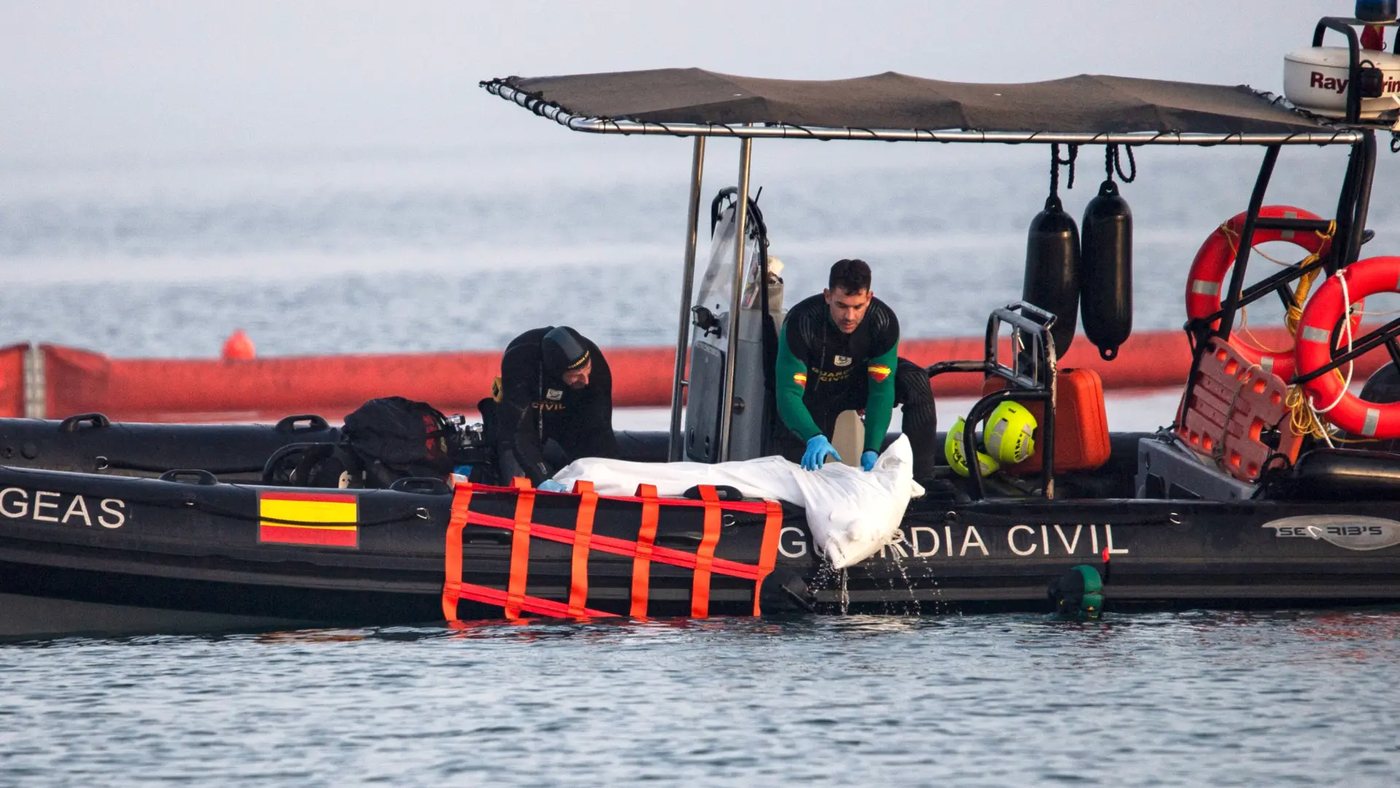
Morocco’s government has broken more than three days of silence over the migration crisis in the Spanish enclave of Ceuta, admitting that 40,000 people entered the border city and that 11 people died on Moroccan territory.
In a statement released on Sunday night, Rabat said it would remain a reliable and responsible partner committed to strengthening international cooperation against irregular migration and human trafficking. The government attributed the crisis to a combination of human-trafficking networks, disinformation and misunderstandings surrounding a recent ruling by Spain’s Supreme Court on «hot returns» — the immediate pushback of migrants at the border.
Morocco said the events were neither spontaneous nor caused by circumstantial factors. According to the Interior Ministry, a malicious exploitation of digital spaces and the activity of trafficking networks, together with misleading information and misinterpretations of recent decisions by Spanish judicial authorities, had convinced some people hoping to migrate that they could avoid being returned immediately.
The admission ends a period of notable official silence. Neither Morocco’s Foreign Ministry, its Interior Ministry nor the head of government had publicly reacted to the crisis, which has strained Spain’s security services and put Prime Minister Pedro Sánchez at odds with many European partners over migration management.
While official Morocco remained silent, some opposition voices spoke out. The Party for Progress and Socialism, the successor to Morocco’s Communist Party, said information about deaths, rescues, crossings and returns came essentially from Spanish authorities and media. It added that inequality in the distribution of wealth, both between social classes and between territories, lay behind the drama.
Morocco has long claimed sovereignty over Ceuta and the nearby enclave of Melilla. A recent report by the US House of Representatives described the cities as enclaves in Moroccan territory, a formulation that angered Madrid.
Moroccan media were slow to address the crisis, but reactions eventually emerged. The left-leaning outlet Enass criticised what it called Rabat’s «sepulchral silence,» writing that the state had chosen to remain quiet in the face of an unprecedented drama. The editorial warned that the silence could be a «calculated silence of a winner» and that, if so, it was a dangerous error, as Morocco was losing citizens drowned while being «sacrificed on the altar of the desire for power.»
Another outlet, Le 360, referred to «migratory chaos,» a «human tragedy,» «violent confrontations» and «false hopes of regularisation.» It echoed the official Moroccan framing, arguing that the episode brutally exposed the «geopolitical anomaly» of Ceuta and Melilla, which it described as two occupied cities in Moroccan territory in a clearly unsustainable situation. The outlet argued that territorial and demographic reality, including a large Muslim population of Moroccan origin in both cities, would eventually prevail, and asked not whether the enclaves would return to Morocco, but when and after how many more tragedies.
The crisis has reignited debate across Europe about migration diplomacy, border security and the relationship between the European Union and Morocco. For Spain, the enclaves of Ceuta and Melilla represent the only land borders between the EU and Africa, making them a sensitive flashpoint in the bloc’s migration policy.
The Spanish government has not yet issued a full public assessment of the events, but the episode has intensified scrutiny of cooperation between Madrid and Rabat on border control. Earlier incidents in recent years, including large-scale crossings, have prompted Spain to strengthen its relationship with Morocco, while also drawing criticism from human rights groups concerned about pushbacks and migrant deaths.
In the days since the crisis, officials in Madrid have been in contact with European partners to explain the situation, despite reports of friction with some EU governments over how to respond. The Moroccan government’s statement on Sunday appears aimed at limiting diplomatic damage while asserting its role as a key partner in managing migration.
Migration monitoring groups have repeatedly called for independent investigations into incidents along the Spanish-Moroccan border. The crossing attempt also drew attention to living conditions in northern Morocco and to the influence of smuggling networks that profit from migrant desperation. The situation has highlighted the fragile balance in Spanish-Moroccan relations, which combine close cooperation on migration and trade with unresolved disputes over sovereignty and territorial waters. Both governments have in the past sought to keep tensions under control, but each major migration event renews questions about the limits of that cooperation.