NATO Summit in Ankara: Behind Closed Doors, Trump Shows a Different Side
At the NATO summit in Ankara, US President Donald Trump's public bluster gave way to a more conciliatory tone behind closed doors, as allies managed to secure commitments on defense spending and Ukraine aid.
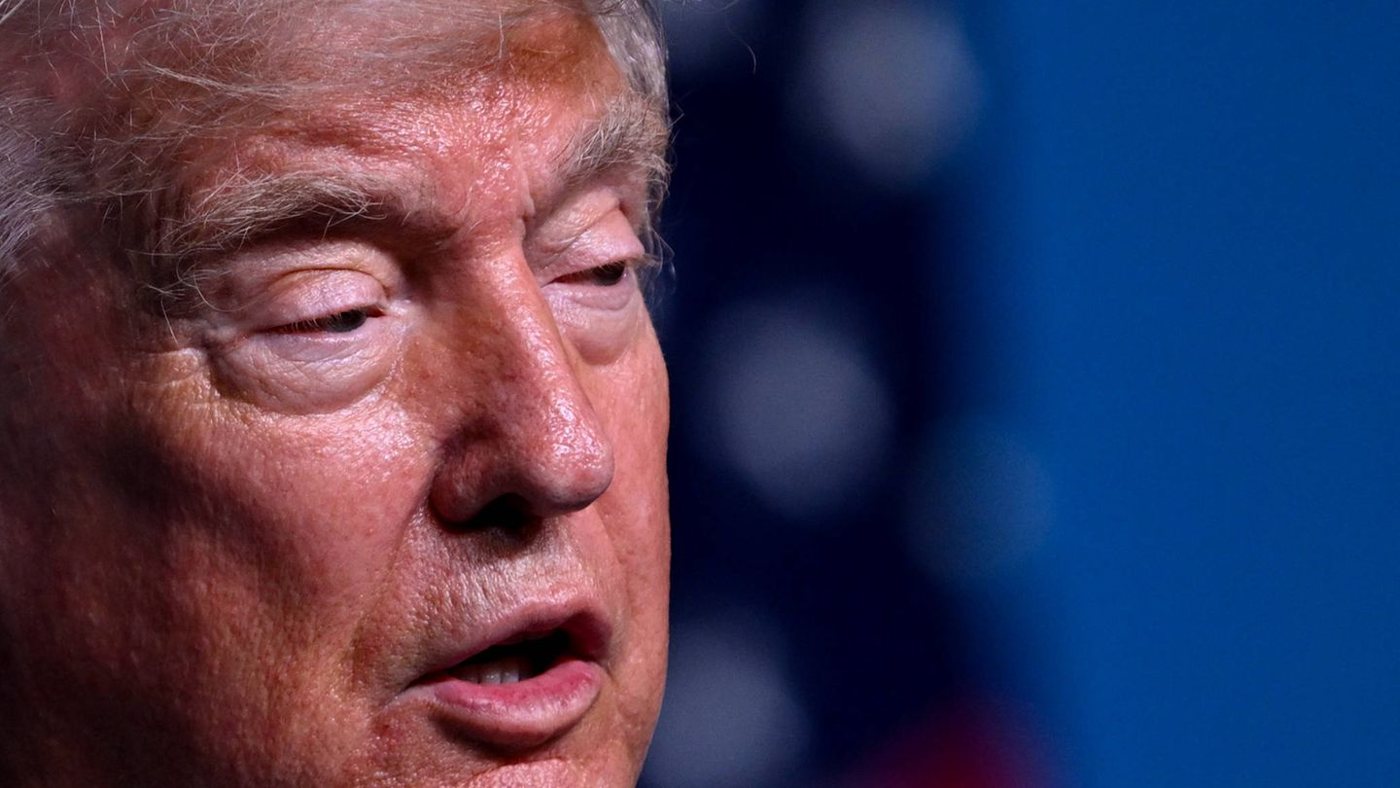
At the NATO summit in Ankara, US President Donald Trump’s public bluster gave way to a markedly different demeanor behind closed doors, as allied leaders managed to avert a major crisis and secure key commitments on defense spending and support for Ukraine. The summit, held at the Turkish presidential palace, initially appeared headed for disaster after Trump’s arrival on Tuesday, when he launched a series of aggressive statements against the alliance, renewed territorial claims on Greenland, and threatened to halt trade with Spain. However, according to participants, once the formal session began, Trump adopted a surprisingly conciliatory tone.
NATO Secretary General Mark Rutte opened the meeting with a carefully crafted compliment, praising the “really huge and big” efforts of the alliance, a nod to Trump’s own rhetoric. Despite Trump’s earlier provocations, he took the floor early in the session and, to the surprise of many, began with praise for several member states. He commended Germany, Poland, Norway, and the Baltic nations for their “very advantageous development” and their “great leadership figures,” a remark that likely flattered German Chancellor Friedrich Merz. Trump made no mention of Greenland, barely touched on Iran, and avoided his earlier hostility toward Spain, instead offering a general critique of some allies’ insufficient contributions.
The shift in Trump’s behavior was not accidental. European leaders had prepared intensively for the summit, with Rutte repeatedly citing the $250 billion in additional defense spending by Canada and European allies in recent years, while Merz highlighted €124 billion in military expenditures for the current year alone. The strategy aimed to demonstrate to Trump that Europe was heeding his demands for greater burden-sharing. Behind the scenes, the preparation included numerous phone calls, preparatory meetings, and personal conversations with Trump himself. The effort paid off: Trump remained in the session for its entire duration, listening to all speeches by heads of state and government—a departure from his past behavior at such gatherings.
The summit’s final communiqué reaffirmed an “unwavering” commitment to mutual defense under Article 5, a core NATO principle. Additionally, the alliance approved two aid packages for Ukraine totaling more than €140 billion. New multibillion-dollar arms deals were also concluded, including a major contract for the delivery of German-Norwegian submarines to Canada. These outcomes marked a significant achievement for European leaders, who had feared a potential rupture with Washington. Just a year earlier, at the summit in The Hague, Merz and other leaders had worried that Trump might withdraw from NATO entirely. This year, Trump told the assembled leaders, “We want to remain with you,” a statement that brought visible relief to the room.
At the conclusion of the session, Trump even remarked, “There is a feeling of love in the air,” a comment that a visibly relaxed Merz later recounted to the press. In government circles, officials spoke with relief of a “discrepancy” between Trump’s public outbursts and his behavior in the closed-door meetings. During the previous evening’s banquet, Trump, seated next to Merz, was reportedly in excellent spirits and fully engaged in his role as entertainer. The contrast was so stark that some participants wondered aloud who this man was and what he had done with the Donald Trump who had raged publicly just hours earlier.
Speaking to reporters after the summit, Merz was almost effusive in his praise for Trump. He noted that the US president had participated in all the deliberations and listened attentively to contributions from smaller member states. Merz acknowledged that Trump’s criticism of European allies’ insufficient defense spending was entirely justified, adding, “That should have come earlier. Previous presidents raised it without success; this president does it in his own way—and with success.” The German chancellor’s words hinted at a grudging respect for a leader known for his disregard of diplomatic norms. The summit in Ankara ultimately demonstrated that, despite the theatrics, Trump could be managed through a combination of flattery, concrete numbers, and strategic preparation—a lesson European leaders are likely to apply in future engagements.
85