Nato summit opens with defence spending in focus as Zelenskyy and Trump prepare to meet
The Nato summit in The Hague brings together 32 member states at a critical time, with defence spending, Ukraine support, and tensions with the United States over Iran and Greenland dominating the agenda.
The Nato summit officially opened in The Hague on Tuesday, bringing together leaders from all 32 member states at what alliance officials describe as one of the most consequential moments in the organisation's history. Defence spending commitments, continued support for Ukraine, and growing transatlantic tensions over US policy on Iran and Greenland are expected to dominate discussions over the next two days.
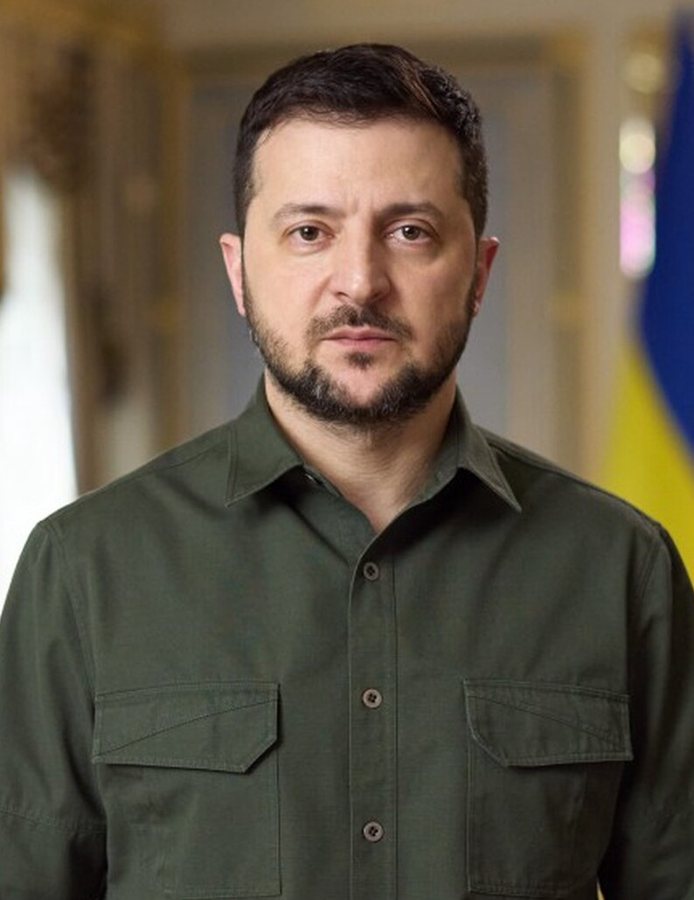
Ukrainian President Volodymyr Zelenskyy is due to meet former US President Donald Trump on the sidelines of the summit, in a session that diplomats say could shape the future trajectory of Western military aid to Kyiv. The meeting comes as European allies push for a more unified stance on Ukraine, amid concerns that a potential change in US leadership could alter the level of American commitment to the alliance.
Nato Secretary General Mark Rutte opened the proceedings by calling on member states to accelerate their defence spending and to ensure that the alliance remains capable of responding to emerging threats. Rutte stressed that the current security environment demands greater investment, particularly in light of Russia's ongoing war in Ukraine and the increasing assertiveness of China in the Indo-Pacific region.
Several European leaders have already signalled their intention to announce new defence spending pledges during the summit. Germany is expected to confirm that it will meet the Nato target of spending at least 2 percent of its gross domestic product on defence, while other nations are under pressure to outline concrete timelines for reaching that benchmark. The issue has become a recurring point of friction within the alliance, particularly with the United States, which has long urged European members to share more of the financial burden.
The summit also takes place against a backdrop of heightened diplomatic tension between the United States and some of its Nato allies. Disagreements over US policy toward Iran, as well as Washington's recent statements regarding Greenland, have created an undercurrent of unease among European capitals. Several diplomats have privately expressed concern that the unity of the alliance could be tested if these disputes are not managed carefully.
In a separate development, reports from Damascus indicated that at least 18 people, including four police officers, were injured in a series of explosions earlier on Tuesday. According to a Syrian security source who spoke to AFP on condition of anonymity, one bomb was placed in a rubbish bin and another in a vehicle near the Four Seasons Hotel, where French President Emmanuel Macron had spent the night. The incident underscored the fragile security situation in the region, even as Nato leaders focused on broader strategic challenges.
Macron, who is attending the summit, has been a vocal advocate for greater European strategic autonomy within Nato. His presence in The Hague comes at a time when France is pushing for a more coordinated European defence policy, a stance that has sometimes put Paris at odds with Washington. The French president is expected to hold bilateral meetings on the margins of the summit to discuss both European defence integration and the situation in the Middle East.
The summit is also expected to address the alliance's relationship with the Indo-Pacific region. Nato has increasingly sought to engage with partners such as Japan, South Korea, Australia, and New Zealand, reflecting a recognition that security challenges are no longer confined to the Euro-Atlantic area. Leaders are expected to issue a joint communiqué that reaffirms the alliance's commitment to collective defence while outlining steps to deepen cooperation with these partners.
For Ukraine, the summit represents an opportunity to secure concrete commitments on military aid and long-term security guarantees. Zelenskyy has repeatedly stressed that Ukraine needs not only weapons but also a clear path toward eventual Nato membership. While full membership remains unlikely in the short term, diplomats say the summit could produce a package of bilateral security agreements that would provide Kyiv with sustained support.
The meeting between Zelenskyy and Trump is being closely watched, given Trump's previous criticism of Nato and his suggestion that the United States might not defend allies that fail to meet defence spending targets. A senior Ukrainian official said the conversation would focus on practical military assistance and the broader strategic picture, rather than on political rhetoric.
As the summit continues, alliance leaders are expected to release a series of statements on key issues, including counterterrorism, cyber defence, and the protection of critical infrastructure. The final declaration is likely to reaffirm Nato's core principles while acknowledging the need for adaptation in a rapidly changing world.