Nepal-Tibet floods strike pilgrimage routes to Mount Kailash
The Himalayan flood disaster has killed at least 98 people and left hundreds missing, including travelers moving through a border corridor used for pilgrimage to Mount Kailash.
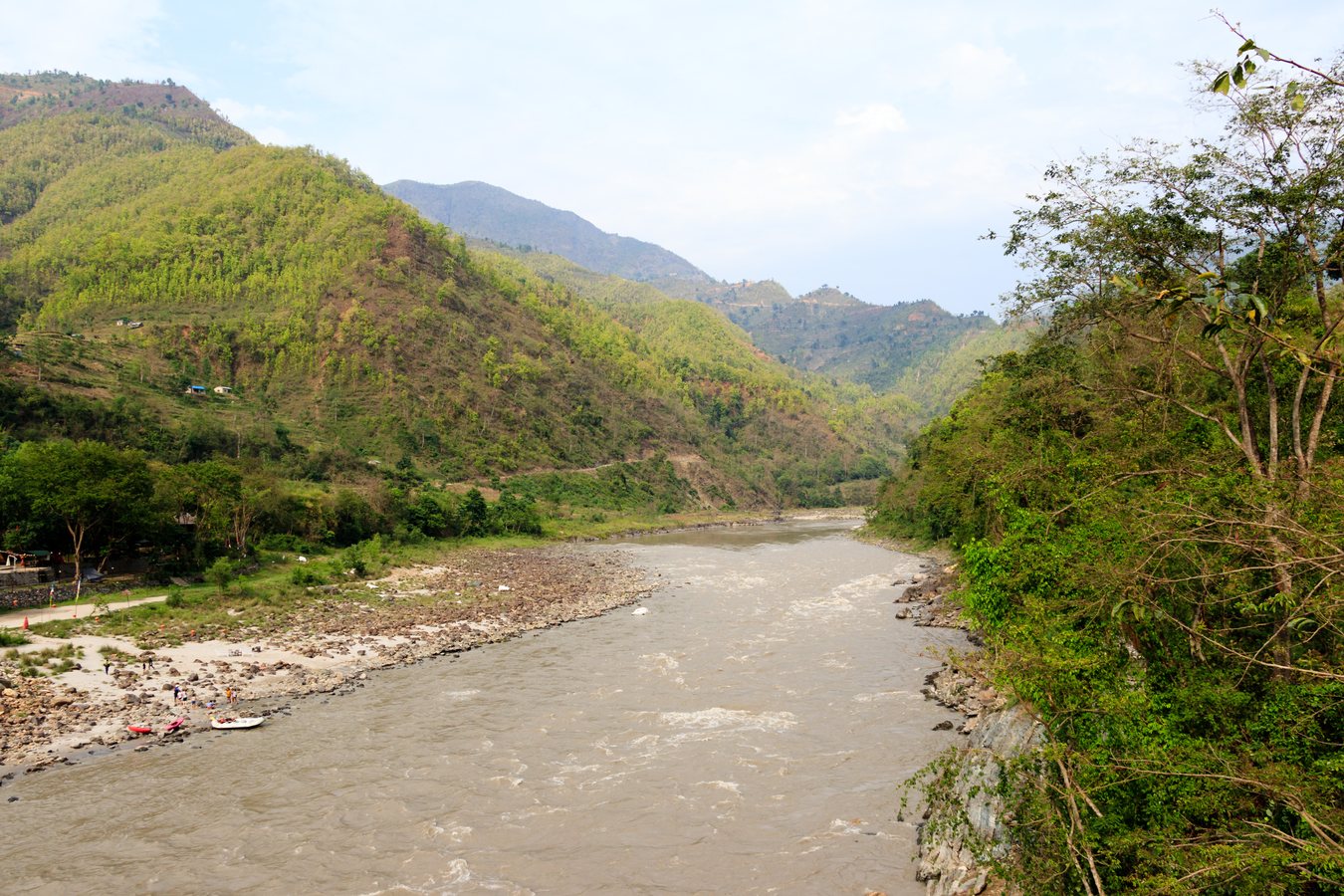
The Himalayan flood disaster on the Nepal-Tibet border has struck not only villages and infrastructure but also one of Asia’s great pilgrimage corridors. At least 98 people have died, while hundreds of residents, workers and travelers remain missing in Nepal and Tibet.
Nepal’s prime minister’s office reported 95 deaths. China’s state broadcaster CCTV said three people were killed in Tibet’s Gyirong County. Nepalese authorities listed 403 missing people, including 341 foreign nationals, while CCTV reported another 265 missing in Gyirong. The counts were revised repeatedly as rescue teams restored contact with isolated areas.
Many of the missing foreigners had traveled through the border region for trekking or pilgrimage. The corridor is one of the approaches to Mount Kailash, a mountain sacred to Hindus, Buddhists, Jains and followers of Bon. For pilgrims, the journey is not simply tourism: it can be the culmination of years of planning, savings and religious intention.
That human context explains why the missing-person lists span countries and communities far beyond Nepal and Tibet. The Nepal Tourism Board has been working with tour operators and authorities to establish who was on the road, in hotels or in camps when communications failed. Some travelers may ultimately be found safe but cut off; others were in places directly struck by the flood.
The physical destruction is severe. Water mixed with mud and rock swept through parts of Rasuwa and Nuwakot, damaging homes, vehicles, roads, bridges and hydropower facilities. The same landscape that gives the pilgrimage its dramatic character also makes rescue difficult: narrow valleys, steep slopes and limited road access can isolate whole communities after a single bridge fails.
Nepal deployed soldiers, police and emergency personnel, and China organized search operations on the Tibetan side. High water and unstable ground prevented helicopters from landing in some places. Authorities also told people in low-lying areas to remain away from riverbanks because another surge is possible.
Scientists are still working out the sequence of the disaster. Preliminary evidence points to an ice-and-rock or snow-and-rock avalanche in the Lhende river basin. Debris may have blocked the river and formed a temporary natural dam before accumulated water broke through. What caused the avalanche itself has not been established.
A magnitude 4.4 earthquake was recorded in the region shortly before the catastrophe. Its timing has led investigators to consider whether shaking destabilized the slope, but a causal relationship remains unproven. The distinction is important because in a complex mountain system several processes can occur close together without one necessarily causing the next.
The disaster also damaged around 430 megawatts of Nepalese hydropower capacity, according to the energy ministry, more than 12% of national hydropower capacity. Communities that survive the immediate flood may therefore face damaged transport, disrupted electricity and a long rebuilding period.
Last year, another deadly Bhote Koshi flood was eventually linked to the drainage of a supraglacial lake. Wednesday’s event may have a different mechanism, yet both disasters raise a moral and practical question about how societies protect people traveling through landscapes where environmental risk is changing faster than old assumptions.
For the families of pilgrims and local residents, however, those wider questions come later. The immediate hope is that restored communications will shrink the missing lists and that rescuers can reach the valleys before weather, unstable slopes or another flood closes the narrow window for search and evacuation.
65