Pakistan Urges Restraint as US and Iran Escalate Hostilities in the Strait of Hormuz
Pakistan's foreign minister called for restraint between the United States and Iran after a night of heavy US airstrikes on Iranian targets, following Tehran's attack on a vessel in the Strait of Hormuz, which has been closed again.
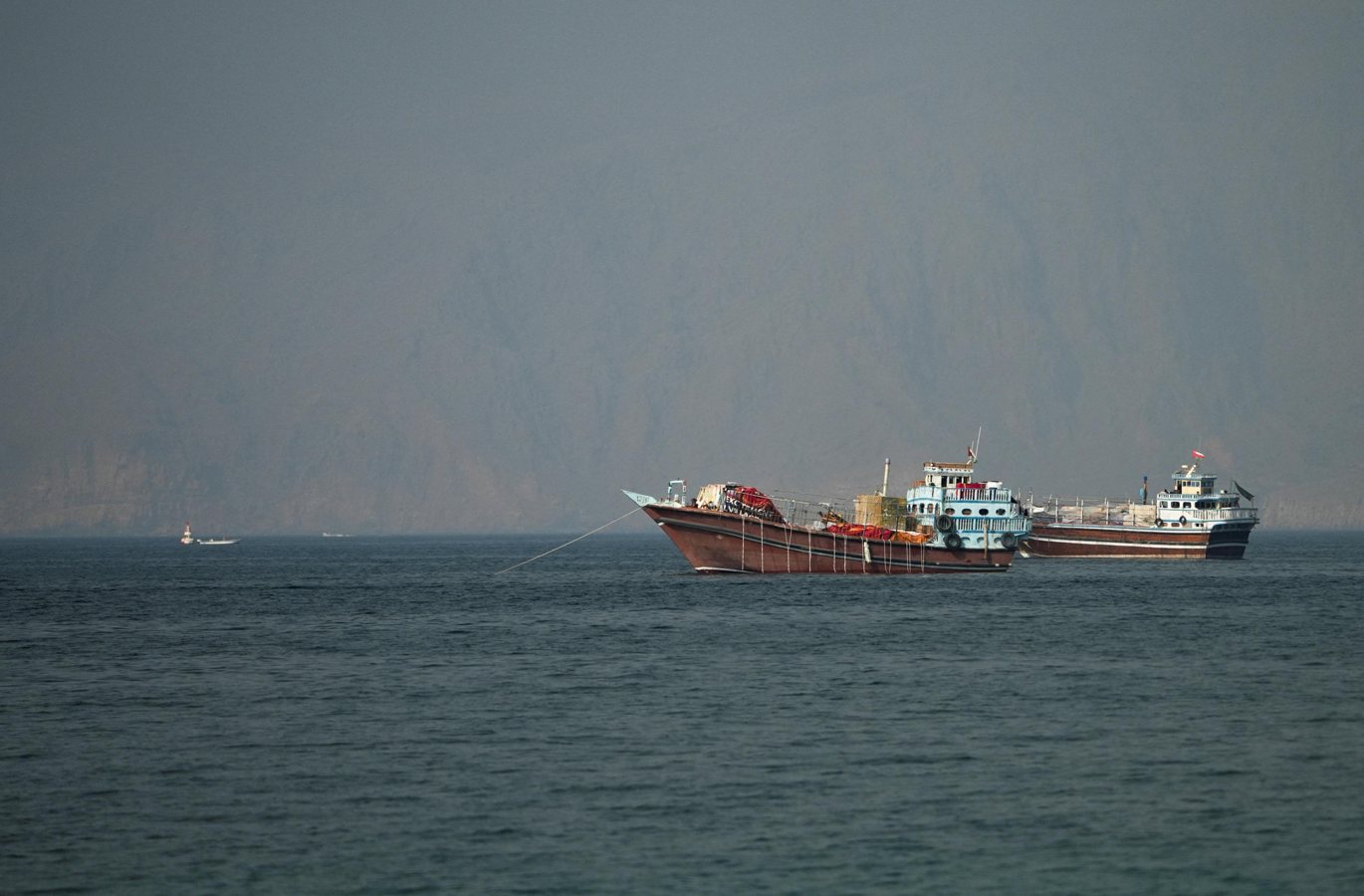
Pakistan's foreign minister has urged the United States and Iran to show restraint, as a new wave of hostilities erupted in the Middle East following an attack on a vessel in the strategic Strait of Hormuz. The call for de-escalation came after a night of intense American airstrikes targeting approximately 140 sites across Iran, marking a significant escalation in the long-running conflict between the two nations.
The crisis began when Iranian forces struck a ship navigating the Strait of Hormuz, a narrow waterway that serves as a critical chokepoint for global oil shipments. In response, the United States launched a series of precision strikes against Iranian military and infrastructure targets, further inflaming tensions in a region already on edge. The strait has since been closed again, disrupting maritime traffic and raising concerns about energy supplies and global economic stability.
Pakistan's top diplomat, in a series of phone calls with Iranian and American officials, emphasized the need for dialogue and restraint to prevent the situation from spiraling into a broader regional war. The diplomatic intervention underscores the wider implications of the conflict, as neighboring countries and international stakeholders watch closely. Pakistan, which shares a border with Iran and maintains close ties with both Tehran and Washington, has positioned itself as a potential mediator in the crisis.
The US airstrikes, described by officials as a direct response to the attack on the vessel, targeted a range of sites including missile batteries, naval facilities, and command centers. While the Pentagon has not released a full damage assessment, initial reports indicate that the strikes were intended to degrade Iran's ability to threaten shipping lanes and military assets in the region. Iran has condemned the bombings as a violation of its sovereignty and has vowed retaliation, raising the specter of further violence.
The closure of the Strait of Hormuz has immediate economic consequences, as approximately one-fifth of the world's oil passes through the waterway. Oil prices have surged in response to the disruption, and shipping companies have begun rerouting vessels, adding costs and delays to global supply chains. The international community has called for a swift resolution to avoid a prolonged crisis that could impact energy markets worldwide.
This latest escalation is part of a broader pattern of confrontation between the US and Iran, which has included proxy conflicts, cyberattacks, and diplomatic standoffs. The attack on the vessel and the subsequent US strikes represent the most direct military engagement between the two countries in recent years. Analysts warn that without immediate de-escalation, the conflict could draw in other regional powers, including Gulf states that have already been targeted in previous exchanges.
Pakistan's role as a mediator reflects its strategic position and its interest in maintaining stability along its western border. The country has historically sought to balance its relationships with Iran and the US, and its current diplomatic efforts are aimed at preventing a conflict that could destabilize the entire region. The foreign minister's calls for restraint have been echoed by other nations, including China and Russia, which have urged both sides to return to negotiations.
As the situation remains fluid, the focus is on whether diplomatic channels can reopen before further military action occurs. The closure of the Strait of Hormuz and the ongoing airstrikes have created a volatile environment, with the potential for miscalculation or unintended escalation. For now, the world watches as the US and Iran navigate a dangerous standoff that threatens to reshape the Middle East.
74