Pentagon Weighs Withdrawal of Up to 40,000 US Troops from Europe
The Pentagon is considering pulling roughly 25,000 American soldiers out of Europe, with one scenario envisioning cuts of up to 40,000, according to NBC News. Aircraft, ships and other military equipment could also be withdrawn, with Germany, Italy and Spain among the countries likely to be hardest hit.
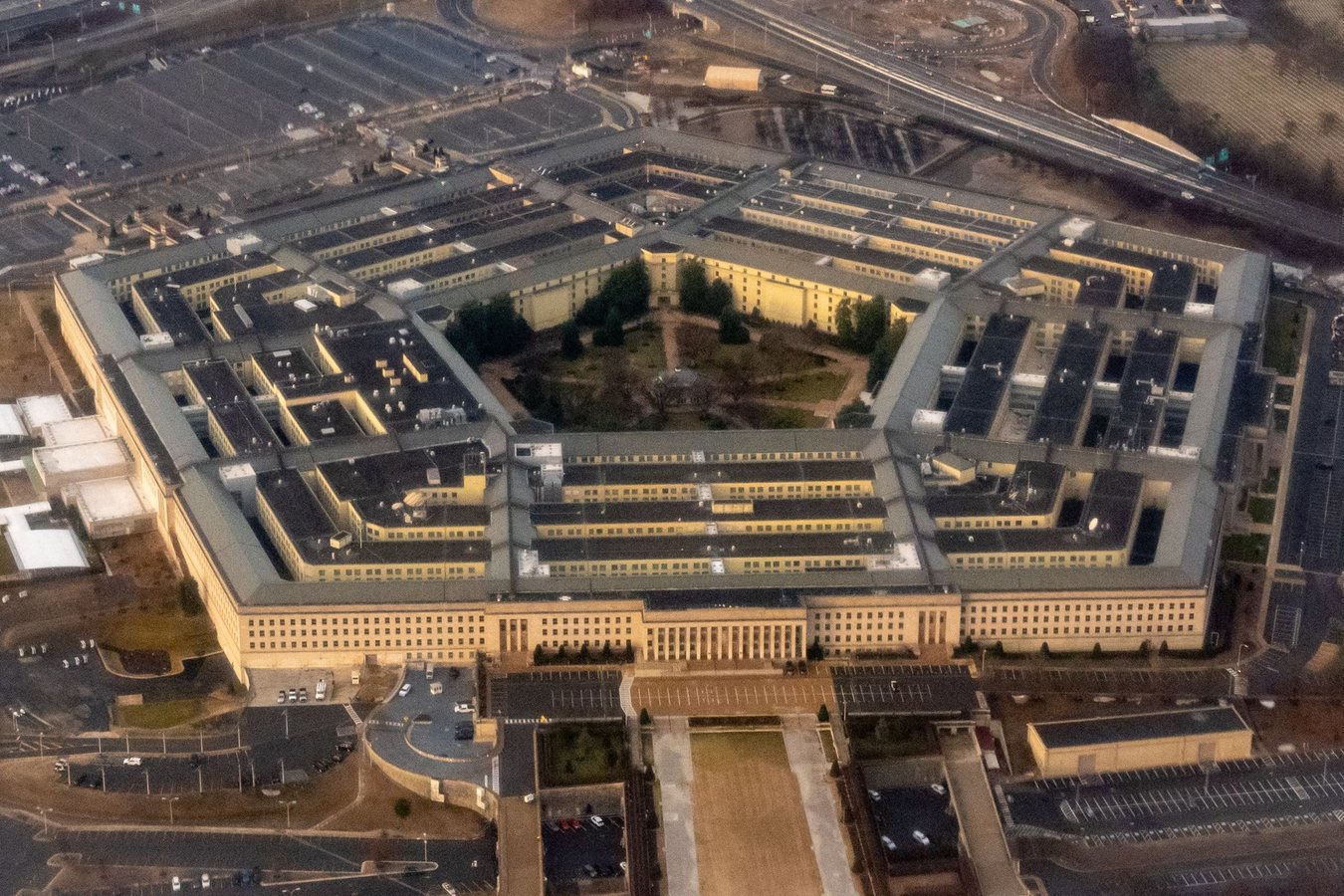
The Pentagon is weighing a significant reduction of American military personnel in Europe, with one option calling for the withdrawal of up to 40,000 troops, according to a report by NBC News. The network said the planning discussions include a scenario in which roughly 25,000 soldiers would be pulled out, while a more extensive variant could see the figure rise to 40,000.
The report, which cited two sources, indicates that the drawdown would not be limited to ground forces. Aircraft, naval vessels and other military equipment could also be removed from the continent as part of the planning. Germany, Italy and Spain are identified as the countries that would likely be most affected by such a move, given the size and concentration of US installations on their territory.
No final decision has been announced, and the deliberations remain at the planning stage. The figures under discussion represent potential scenarios rather than a confirmed policy, and it is not clear how quickly any withdrawal could be carried out or whether it would be phased over time.
The prospect of a large-scale American troop reduction touches on one of the central pillars of European security arrangements that have been in place since the Cold War. US forces have been stationed across Western and Central Europe for decades, serving as a visible commitment to the defence of NATO allies and as a deterrent against potential aggression. Germany hosts the largest contingent of American service members in Europe, while Italy and Spain maintain significant US bases and naval facilities.
Any withdrawal of this magnitude would raise questions about the ability of European NATO members to fill the gap, particularly at a time when the alliance has been reinforcing its eastern flank. It would also carry political weight in Washington, where debates over the cost and scope of overseas deployments have intensified in recent years.
The report comes amid broader discussions about burden-sharing within the alliance and the direction of US military posture abroad. European capitals have been watching such signals closely, aware that a substantial reduction would require them to reassess their own defence spending and force planning.
For now, the Pentagon has not confirmed the specifics of the planning described by NBC News, and the countries named as most exposed have not issued formal responses. The story is likely to develop as more details emerge about the options under review and the timeline that might accompany them.