Pope Leo XIV urges US to welcome immigrants in America 250 address
Pope Leo XIV called on Americans to embrace the nation's immigrant heritage while accepting the 2026 Liberty Medal, then traveled to Lampedusa to urge Europe to adopt comprehensive migration policies.
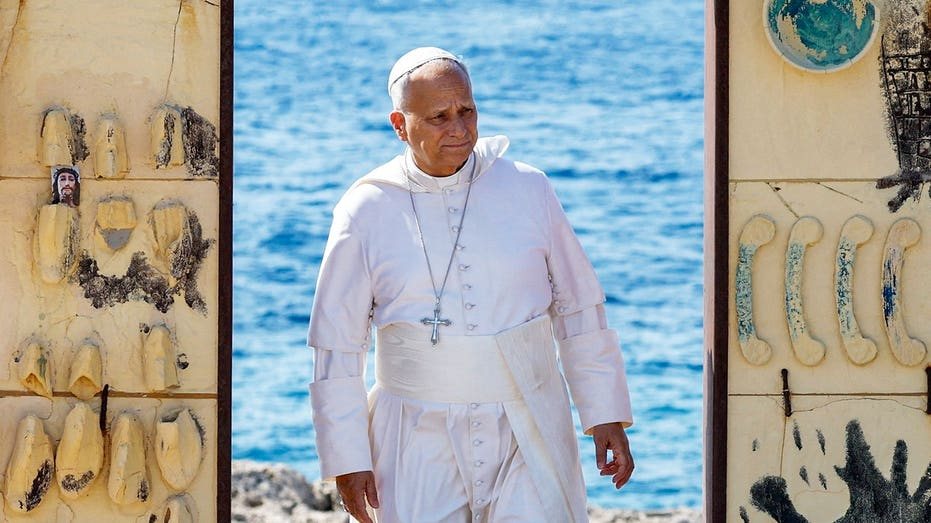
Pope Leo XIV urged Americans to uphold the United States' tradition of welcoming immigrants during a virtual address to the National Constitution Center in Philadelphia on Friday, where he accepted the 2026 Liberty Medal in recognition of his commitment to religious freedom. The Pope, the first American to lead the Catholic Church, delivered his remarks remotely from the Vatican, linking the nation's founding ideals to contemporary debates over migration.
«In these past 250 years, for so many peoples throughout the world, it was the firm resolve to achieve the noble vision of the nation's founders that made America a byword for freedom, as the country opened its doors to successive waves of immigrants, enabling them and their children to play their part in shaping the future of the nation,» Pope Leo said. He recalled the words of the Declaration of Independence, signed in Philadelphia 250 years ago, emphasizing that «all men have received fundamental rights from our creator, and they include life, liberty, and the pursuit of happiness.»
«As a son of this great country, founded by courageous men and women who dreamed of liberty and of a better life for themselves and for their children, I join you in asking God's blessings upon America's future, that the lofty ideals enshrined at the beginning of the Declaration of Independence may continue to guide the flourishing of the nation in unity, justice and peace,» Leo continued. He added that the historic anniversary offers an opportunity to reflect on the nation's founding principles, expressing hope that «America will remain ever true to the dream that has earned it the title of land of the free and home of the brave.»
The Pope's remarks reinforced his consistent advocacy for immigrant and migrant rights, a position he has taken strongly since ascending to the papacy in 2025. «The moral greatness of a nation is manifested, above all, in its capacity to support, protect and cherish the lives of all, especially the most vulnerable and those whose worth is questioned,» he concluded in his Philadelphia address.
Immediately following the virtual ceremony, Pope Leo departed for Lampedusa, an Italian island off the coast of North Africa that has become a major transit point for migrants attempting to reach Europe. There, he delivered a second address urging the world and European leaders to adopt a more compassionate and comprehensive approach to migration.
«Here you have seen not just one, but thousands of human beings fallen into the hands of robbers who have taken everything from them, beat them brutally and walked away, leaving them half-dead. The sea has claimed the lives of others, those who did not manage to reach their hoped-for destination. Yet we feel their presence, which challenges us no less than that of those who have landed in need of attention and aid,» the Pope said on Lampedusa.
He criticized both action and inaction, stating that those who have died at sea «are victims both of decisions that were made and of decisions that were not made.» He listed factors driving the crisis, including «indifference to the common good and corruption in their countries of origin; a global economic system that generates poverty and exclusion; fear that fuels prejudice and contempt; the belief that such problems do not concern us; the criminal calculations of those who profit from the suffering of others; and the slow and difficult transition from mere emergency management to the development of comprehensive and shared policies.»
«Thanks to its geographical location and institutional framework, Europe is capable of addressing the crisis in this region in a comprehensive manner, integrating immediate relief efforts into a long-term strategic plan capable of receiving, protecting, supporting and integrating migrants, while at the same time assisting developing countries so that no one is forced to emigrate,» the Pope argued. He challenged vacationers on the island to «have the courage to think differently» rather than erecting «an invisible wall» between themselves and the suffering of migrants.
Pope Leo's strong stances on immigration and war have frequently put him at odds with Western leaders, particularly U.S. President Donald Trump. Trump has called Leo «terrible for Foreign Policy» and «weak,» while Vice President JD Vance, a converted Catholic, has also criticized the Pope's public comments. The Pope's dual addresses — one celebrating America's immigrant heritage and the other demanding European action — underscore his determination to place migration at the center of his papacy, even as political tensions with key allies mount.
80