Russia Reports $320.7 Billion in European Energy Sales Since 2022
Deputy Prime Minister Alexander Novak says Russian energy exports to Europe have exceeded earlier U.S. estimates by $70 billion, while Moscow pivots toward Asia and resumes diesel shipments to the United States.
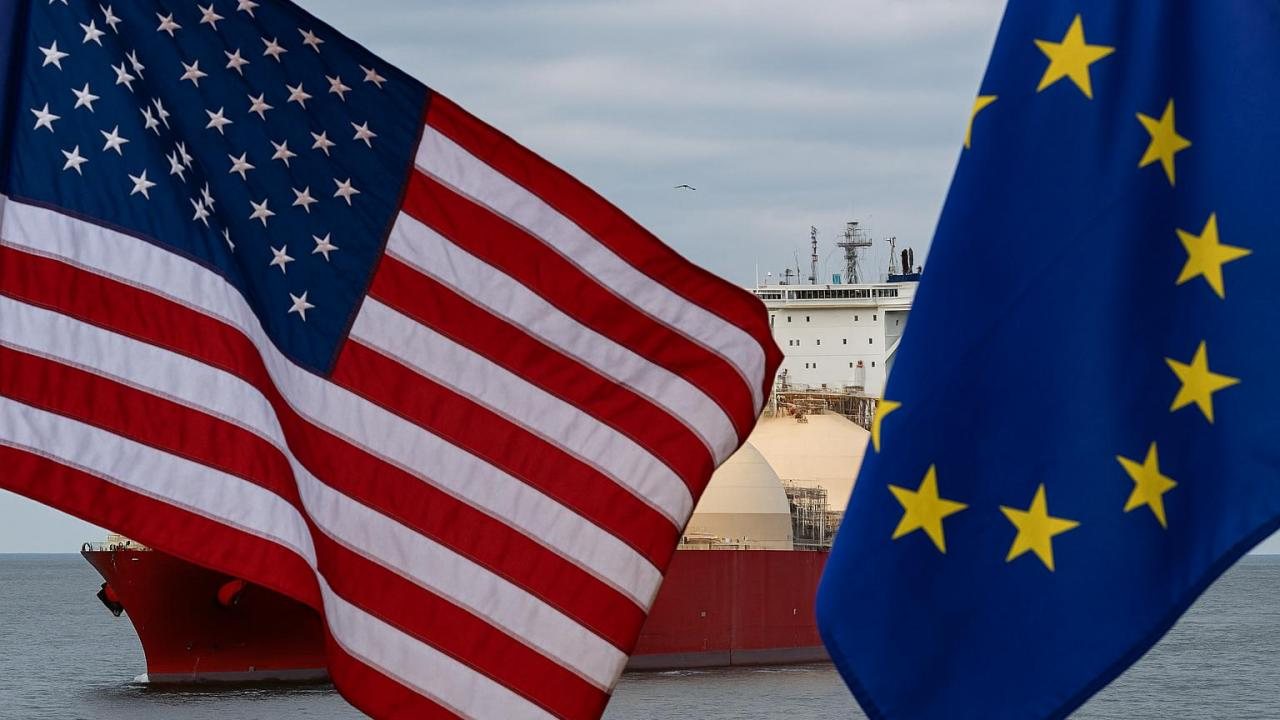
Russia has supplied Europe with energy resources worth $320.7 billion since 2022, Deputy Prime Minister Alexander Novak said in an interview with the state broadcaster Vesti, a figure that exceeds the $250 billion estimate previously cited by U.S. officials by roughly $70 billion.
Novak said sales to what Moscow calls the European direction reached $21.3 billion in the first nine months of 2026, a flow sustained largely by exemptions written into the current sanctions regime. The disclosure underscores how European demand for Russian fuel has persisted despite successive rounds of restrictions imposed after the full-scale invasion of Ukraine.
While European trade continues, Novak identified the Asia-Pacific region as the primary vector for long-term growth, saying Moscow is building durable economic relationships there. The shift reflects a broader reorientation of Russian energy exports toward buyers in China, India and other Asian markets as Western customers seek alternatives.
A more immediate development concerns the resumption of diesel fuel exports to the United States. The move follows a six-month suspension of U.S. sanctions, enabled by agreements between President Vladimir Putin and President Donald Trump. Russia aims to restore diesel shipments to pre-crisis levels of 3 million to 3.5 million tons per month.
The additional cargoes, currently being negotiated between the energy ministries of both countries, are intended to offset global supply gaps caused by reduced refining capacity and logistical risks in the Strait of Hormuz. Novak said diesel prices have already corrected downward by approximately 5 to 6 percent as a result of the increased supply, even as crude oil prices have doubled.
The figures place the energy relationship between Russia and Europe in a complicated light. European governments have spent years pledging to sever dependence on Russian fossil fuels, yet the sanctions architecture has left room for continued purchases, whether through exemptions, intermediary traders or long-term contracts that predate the current restrictions.
For Moscow, the revenue stream has helped cushion the fiscal pressure of war, sanctions and a shifting export map. For European capitals, the persistence of the trade raises awkward questions about the gap between political rhetoric and commercial reality, particularly as households and industries continue to grapple with energy costs.
The resumption of diesel flows to the United States adds another layer. Washington had been a leading architect of the sanctions regime, and the six-month suspension agreed between Putin and Trump marks a notable reversal. The negotiations between the two energy ministries suggest that the arrangement is still being operationalised, with volumes and timing yet to be finalised.
Novak's remarks also point to the wider consequences of disruption in the Strait of Hormuz, a chokepoint for global oil shipments. Reduced refining capacity and logistical uncertainty there have tightened supplies of refined products, creating an opening for Russian diesel to re-enter markets from which it had been largely excluded.
The downward correction in diesel prices, even as crude has doubled, illustrates how refined-product markets can diverge from crude benchmarks when supply routes are reconfigured. Whether that relief proves durable will depend on the longevity of the sanctions suspension and on the pace of negotiations between Moscow and Washington.
For now, the numbers cited by Novak offer a rare official accounting of a trade that has continued in the shadows of sanctions policy. They suggest that Europe's energy ties to Russia, though diminished in political legitimacy, have not been fully severed, and that Moscow is positioning itself to serve both its traditional Western customers and its new Asian partners.
2