Russian Drone Strike Kills Seven at Kharkiv Agricultural Firm After Zelensky's UN Speech
A Russian drone attack on an agricultural enterprise in Ukraine's Kharkiv region killed seven people and wounded ten, striking hours after President Volodymyr Zelensky used his UN General Assembly address to question the body's effectiveness against what he called Vladimir Putin's madness.
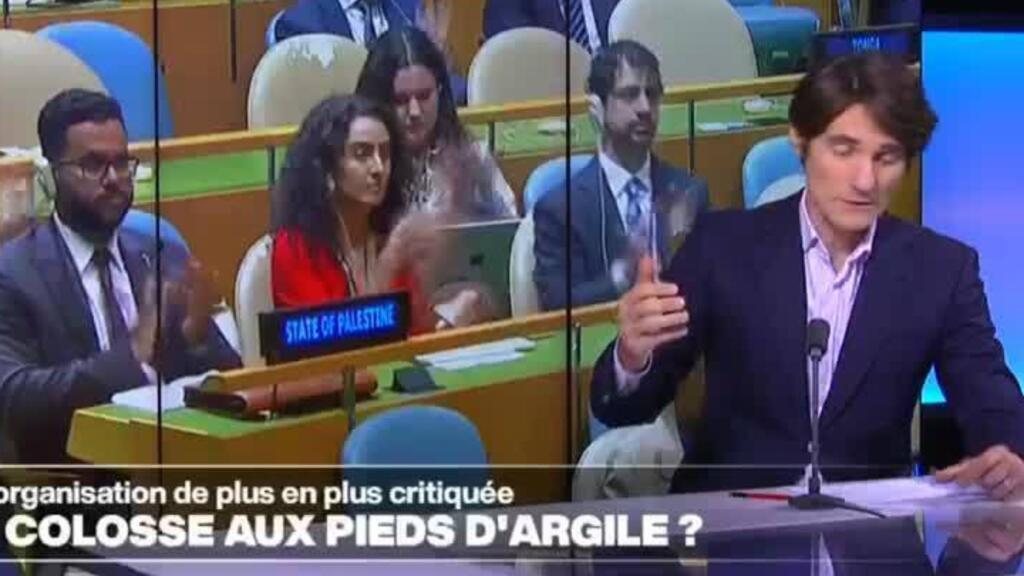
A Russian drone strike on an agricultural enterprise in Ukraine's northeastern Kharkiv region killed seven people and wounded ten others, Ukrainian authorities reported, hours after President Volodymyr Zelensky used his address to the United Nations General Assembly to denounce what he called the « madness » of Vladimir Putin and to question the usefulness of the world body.
The victims were sorting vegetables at the facility when the attack occurred, according to accounts from the scene. The strike is the latest in a series of Russian assaults on civilian and commercial targets in Ukraine, which have continued unabated despite repeated international appeals for de-escalation and diplomatic engagement.
Zelensky's speech in New York, delivered the day before the Kharkiv attack, sharply criticized the Russian president and challenged the effectiveness of the UN as a forum for ending the war. The timing of the strike — coming so soon after the Ukrainian leader's remarks — underscored the gap between diplomatic rhetoric and conditions on the ground, where communities continue to absorb the human cost of the conflict.
The attack on the agricultural enterprise highlights the war's reach into Ukraine's economic and civilian life. Such facilities are part of the country's vital farming sector, which has been repeatedly targeted since Russia's full-scale invasion. The wounded were receiving medical treatment, and emergency services worked at the site following the strike.
Kharkiv, Ukraine's second-largest city and the administrative center of the surrounding region, has remained a frequent target throughout the war because of its proximity to the Russian border. The broader region has seen repeated drone and missile attacks that have damaged infrastructure, homes, and businesses, forcing residents to adapt to persistent insecurity.
Zelensky's UN appearance was part of a sustained diplomatic push by Kyiv to maintain international attention on the war and to press allies for continued military and financial support. His direct criticism of Putin and his questioning of the UN's role reflected a long-standing Ukrainian argument that the Security Council — where Russia holds a veto — is structurally unable to hold Moscow accountable.
The strike also comes amid wider international debate over the war's economic dimensions. Ukraine has urged partners to tighten restrictions on Russian energy exports, arguing that oil revenues sustain Moscow's military capacity. Those appeals have met with mixed responses, as some governments weigh sanctions against the risk of disrupting global energy markets and their own supply needs.
For communities in Kharkiv and across eastern Ukraine, the attack is a reminder that diplomatic gatherings abroad have yet to translate into relief at home. Each new strike adds to a toll that has reshaped daily life, displaced millions, and left families grieving. The seven dead and ten wounded at the agricultural site join a growing list of civilians killed or injured in a war now well into its fourth year.
Ukrainian officials have consistently called for stronger air defenses and longer-range capabilities to protect population centers and critical infrastructure. Western partners have supplied increasingly advanced systems, but officials say the volume and frequency of Russian attacks continue to outpace defensive capacity, particularly in regions close to the front line and the Russian border.
As rescue and recovery efforts concluded at the Kharkiv facility, the broader trajectory of the war remained unchanged: diplomatic appeals in New York and elsewhere have not halted the violence, and the human cost continues to mount in towns and cities far from the negotiating table.
5