Spain rejects claims it ignored spy warning before Ceuta migrant surge
The Spanish government has denied opposition claims that it ignored intelligence warnings about a mass migrant arrival in the North African enclave of Ceuta, as authorities struggle with disputed death tolls, overcrowded reception centres and thousands still awaiting return to Morocco.
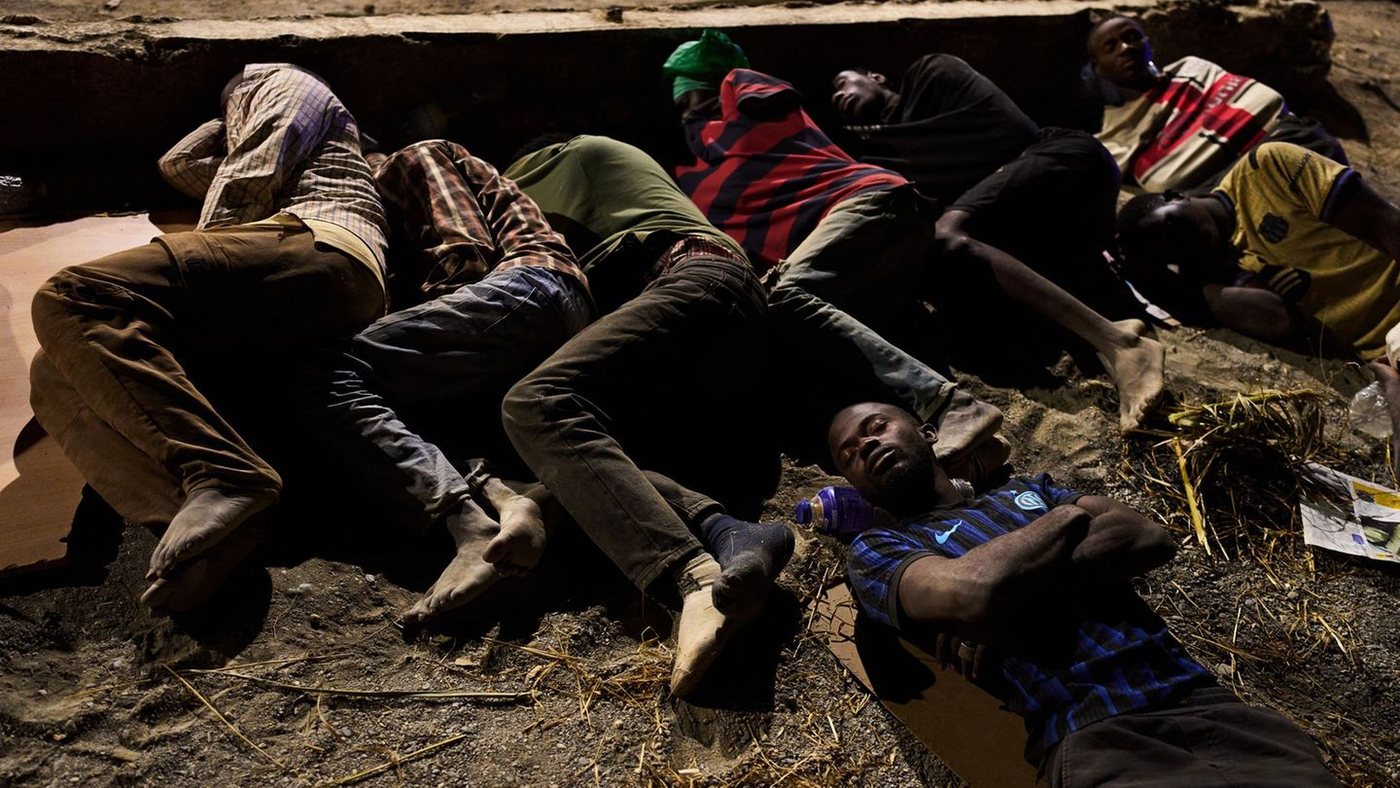
The Spanish government has rejected accusations that it ignored intelligence warnings ahead of the mass migrant crossing into the North African enclave of Ceuta, as authorities argue over who bears responsibility for the crisis. Madrid insisted it had received no intelligence reports predicting a migration emergency of the scale that unfolded on Thursday, when tens of thousands of people entered Ceuta from neighbouring Morocco.
The dispute over the role of the CNI intelligence service has become the central political issue in the aftermath of the surge. Miguel Tellado, spokesman for the opposition conservative People's Party (PP), said it was hard to believe that the CNI had known nothing about the impending «human wave». The radio station Cadena Ser also reported that the service had issued «multiple warnings». Government spokeswoman Elma Saiz countered: «No one expected such an unprecedented event.»
The exact scale of the crossing remains unclear. The regional president of Ceuta, Juan Jesús Vivas, now puts the number of arrivals at 80,000, having previously estimated 60,000. Madrid maintains its original figure of 50,000, while Moroccan authorities say around 40,000 migrants tried to reach the enclave. Most of those who entered arrived by swimming along the coast, while others climbed over the six-metre-high border fence.
The number of victims is also disputed. The Interior Ministry in Madrid says 72 bodies have been recovered so far, but representatives of Ceuta's conservative regional government say the true figure is at least 88. The dead were found mainly off the coast of the enclave in the Strait of Gibraltar, and the search for further victims is still under way.
According to the authorities, the majority of those who crossed have already returned to Morocco. Ceuta's regional government estimates that between 3,000 and 5,000 migrants remain in the enclave, while the central government puts the number at around 2,500 and says return operations have not yet been completed. Vivas said the situation had calmed down, but that it was «in no way normal».
The pressure on reception facilities is particularly acute in the case of unaccompanied minors. Ceuta says it is now caring for at least 862 children and young people, even though it has regular places for only 29. Additional accommodation is being set up in converted buildings. The CETI reception centre for adults, which has capacity for around 600 people, is also completely overloaded. Around 1,000 migrants are said to be staying in provisional camps outside the facility while the authorities continue to organise housing and repatriation.