Telefónica reduces Latin American presence and debt under Murtra's leadership
Under Marc Murtra, Telefónica has exited several Latin American markets, cut debt to its lowest since 2021, and set ambitious goals to become a top European telecom by 2030 and a global leader by 2035.
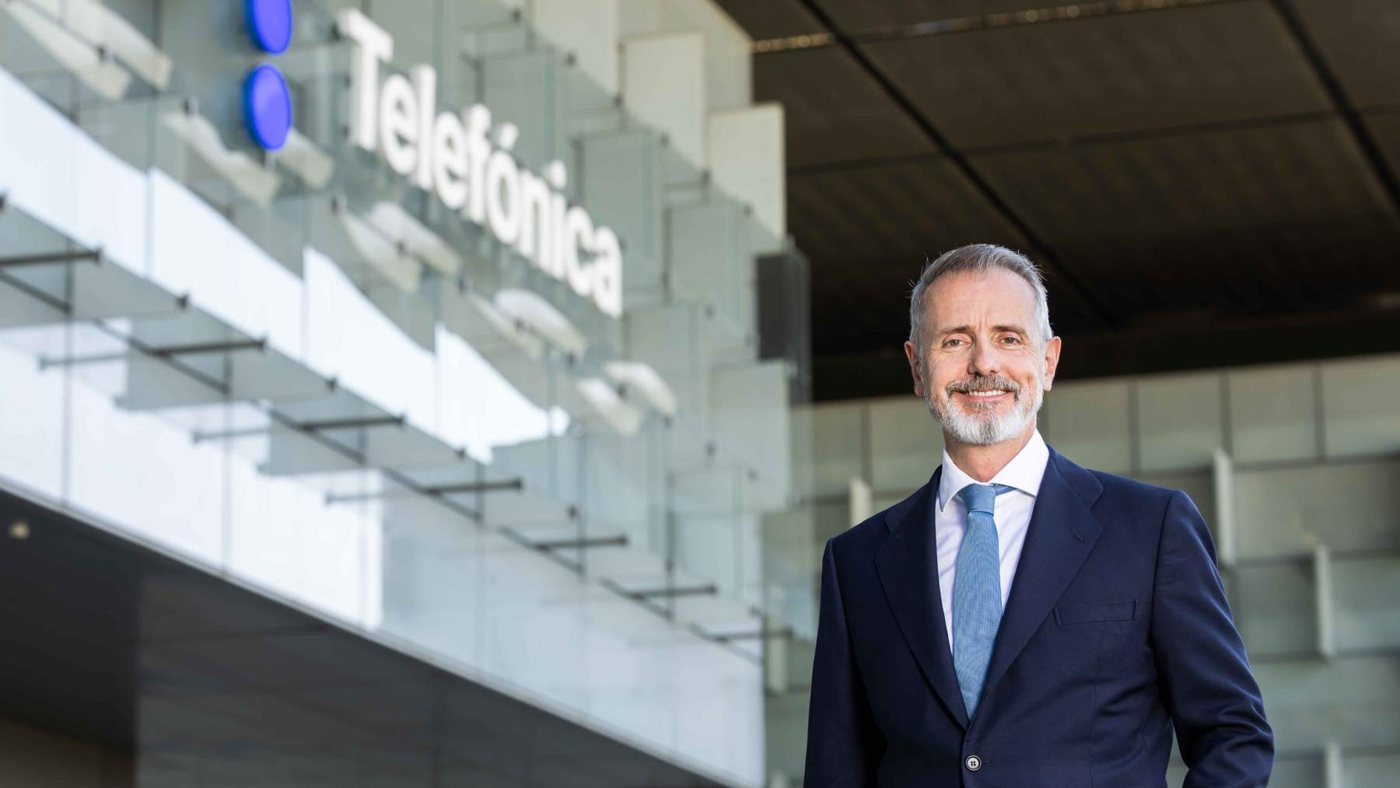
Since Marc Murtra took over as chairman of Telefónica, the Spanish telecommunications giant has undergone a significant strategic overhaul aimed at transforming the company, boosting growth, and restoring market credibility. The plan, known as Transform & Grow, focuses on making Telefónica the premier gateway to digital technologies for citizens, businesses, and public administrations. With the company set to release its first-half results soon, industry analysts have broadly approved Murtra's ambitious restructuring efforts, which have already yielded tangible results.
One of the most notable shifts under Murtra's leadership has been the deliberate reduction of Telefónica's presence in Latin America. Since January 2025, the company has announced and completed exits from Argentina, Peru, Uruguay, Ecuador, Chile, and Colombia. It has also reached an agreement to leave Mexico, leaving only Venezuela as a remaining market in the region. This strategic retreat allows Telefónica to concentrate its resources and focus on Europe and Brazil, two markets where it already holds a leading position and which are showing strong growth due to commercial dynamism.
Financial discipline has been a cornerstone of Murtra's tenure. The company's net financial debt stood at 25.342 billion euros at the end of the first quarter of 2026, its lowest level since 2021. This reduction is part of a broader effort to rebuild Telefónica's credibility with investors and the market. The company has consistently met its financial targets for 2025 and the first quarter of 2026, and it expects to achieve its full-year goals. Telefónica emphasizes that this reliability is key to restoring its standing in the financial community.
Murtra has also been a vocal advocate for strengthening Europe's strategic sovereignty by developing its own technology and reducing dependence on external providers. He argues that European authorities should encourage consolidation in the telecom sector to give companies the scale needed to invest in proprietary technology. This vision aligns with Telefónica's ambition to become one of the best telecom operators in Europe by 2030 and among the best in the world by 2035.
The transformation has extended to Telefónica's leadership team. Murtra has overseen a deep renewal of the executive board, appointing Emilio Gayo as group CEO, Juan Azcue as CFO, and Borja Ochoa as executive chairman of Telefónica Spain. Other key appointments include Santiago Argelich as CEO of Telefónica Germany, Sebas Muriel as CDO and CEO of Telefónica Digital Innovation, and Sofía Collado as CEO of Telefónica Tech. The board itself has been rejuvenated with younger, digitally savvy members, now comprising 10 independent directors out of 15, and 47% women.
Murtra has not shied away from difficult decisions. The company implemented a workforce restructuring plan and cut dividends as part of its drive to become more agile, efficient, and robust. These measures, while painful, are seen as necessary steps to achieve long-term growth and stability. The focus on Europe and Brazil, combined with strict financial controls, is designed to position Telefónica for sustained success in an increasingly competitive global telecom market.
As Telefónica moves forward, the company's strategy under Murtra is clear: streamline operations, reduce debt, exit non-core markets, and invest in digital leadership. The coming years will test whether these changes can deliver on the promise of making Telefónica a European and global telecom leader, but early indicators suggest the company is on a more solid footing than it was a year and a half ago.
86