Trump announces 20% toll on ships passing through the Strait of Hormuz
US President Donald Trump has declared that the United States will impose a 20% fee on the value of cargoes transiting the Strait of Hormuz, a strategic waterway, escalating tensions with Iran and driving up global oil prices.
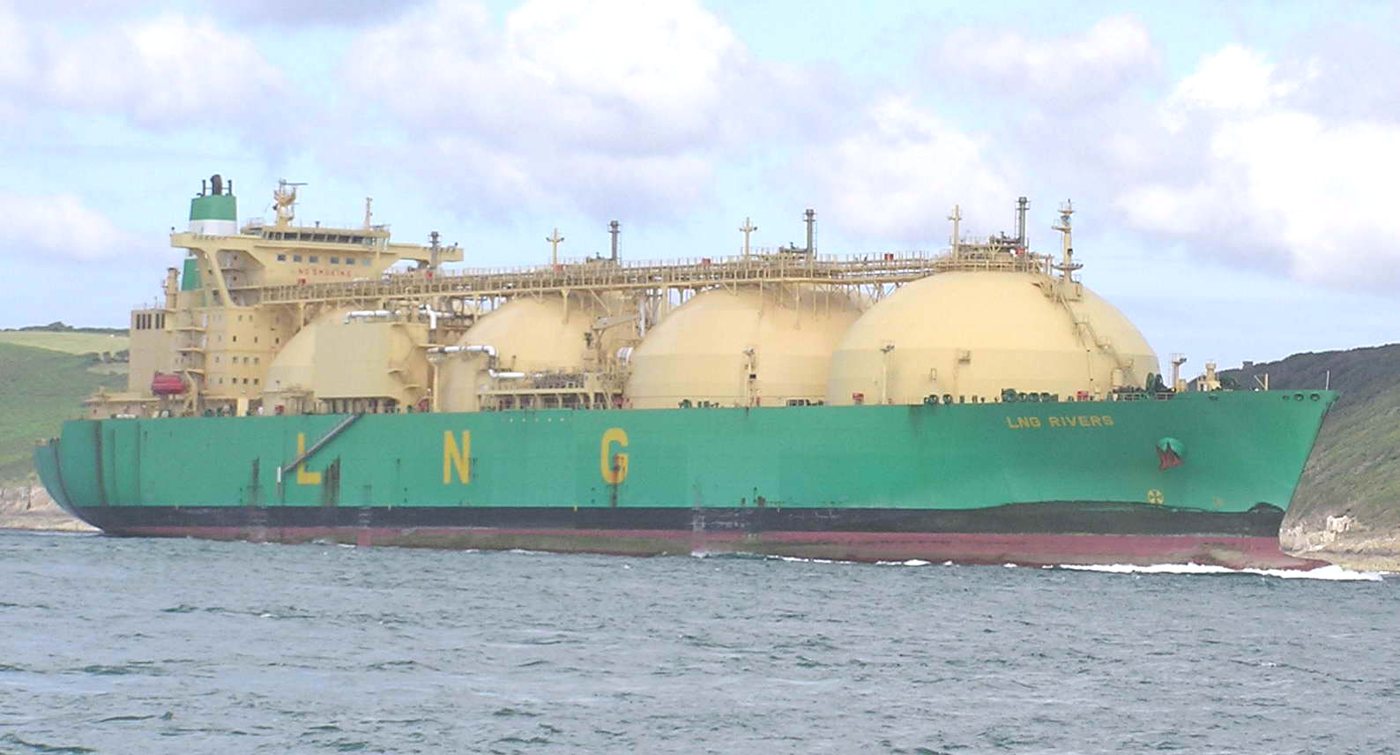
The United States has announced a new measure targeting vessels passing through the Strait of Hormuz, one of the world's most critical maritime chokepoints. President Donald Trump declared that the US will impose a toll equivalent to 20% of the value of cargoes transiting the strait, a move that has already contributed to a rise in global oil prices. The announcement comes amid a series of attacks on ships in the region and a broader escalation of hostilities between Washington and Tehran.
The Strait of Hormuz, located between the Persian Gulf and the Gulf of Oman, is a narrow passage through which about one-fifth of the world's oil supply travels. Any disruption to traffic there has immediate effects on global energy markets. Trump's decision to impose a toll is seen as a direct challenge to Iran, which has long asserted its influence over the waterway and has been accused of targeting commercial vessels in recent months.
According to the White House, the fee will be collected from all commercial ships that use the strait, with revenues intended to cover the costs of US naval patrols and security operations in the area. The measure has been framed as a response to what Washington describes as Iranian aggression, including a series of attacks on tankers and other vessels that have raised concerns about the safety of international shipping lanes.
The announcement has drawn sharp criticism from Iran, whose Revolutionary Guard Corps has been designated a terrorist organization by the United States. Iranian officials have warned that any attempt to impose tolls or restrict navigation in the strait would be met with retaliation. The situation has heightened fears of a direct confrontation between the two countries, which have been locked in a cycle of escalating tensions since the US withdrew from the nuclear deal with Iran in 2018.
Global oil prices have already reacted to the news, with benchmark crude futures rising by several dollars per barrel in the days following Trump's declaration. Analysts warn that the toll could further strain supply chains and increase costs for consumers worldwide, particularly in countries that rely heavily on oil imports from the Persian Gulf region. The Strait of Hormuz is a vital artery for the global economy, and any sustained disruption could have severe consequences for energy markets and international trade.
The US has also stepped up its military presence in the region, deploying additional naval assets to the Arabian Sea and the Gulf of Oman. The Pentagon has stated that these forces are intended to protect freedom of navigation and deter any Iranian attempts to interfere with commercial shipping. However, critics argue that the toll policy itself could be seen as a form of interference, potentially violating international maritime law, which guarantees the right of innocent passage through straits used for international navigation.
European and Asian allies have expressed concern over the unilateral US action, urging restraint and a return to diplomatic channels. The European Union has called for de-escalation, while Japan and South Korea, major importers of Middle Eastern oil, have voiced worries about the impact on their energy security. The United Nations has also weighed in, with the Secretary-General urging all parties to respect international law and avoid actions that could lead to a broader conflict.
The toll policy is the latest in a series of aggressive moves by the Trump administration aimed at pressuring Iran. In recent weeks, the US has imposed new sanctions on Iranian officials and entities, and has accused Tehran of being behind a spate of drone and missile attacks on commercial vessels in the region. Iran has denied involvement, blaming the US and its allies for destabilizing the area.
For now, the situation remains tense, with no clear path to resolution. The toll is set to take effect within weeks, and shipping companies are already assessing the potential costs and risks. Some may choose to reroute vessels around the Cape of Good Hope, a longer and more expensive alternative, while others may seek insurance coverage for potential losses. The coming days will be critical in determining whether the US policy leads to a broader confrontation or a negotiated settlement.