Trump Attacks Spain at NATO Summit, Sánchez Responds Calmly
Spanish Prime Minister Pedro Sánchez downplayed US President Donald Trump's harsh criticism of Spain at the NATO summit in Ankara, where Trump threatened to cut trade ties over defense spending and denied access to bases for a potential Iran conflict. Sánchez emphasized calm and friendly interactions, while Spain remains the only NATO member rejecting the 5% GDP defense spending target.
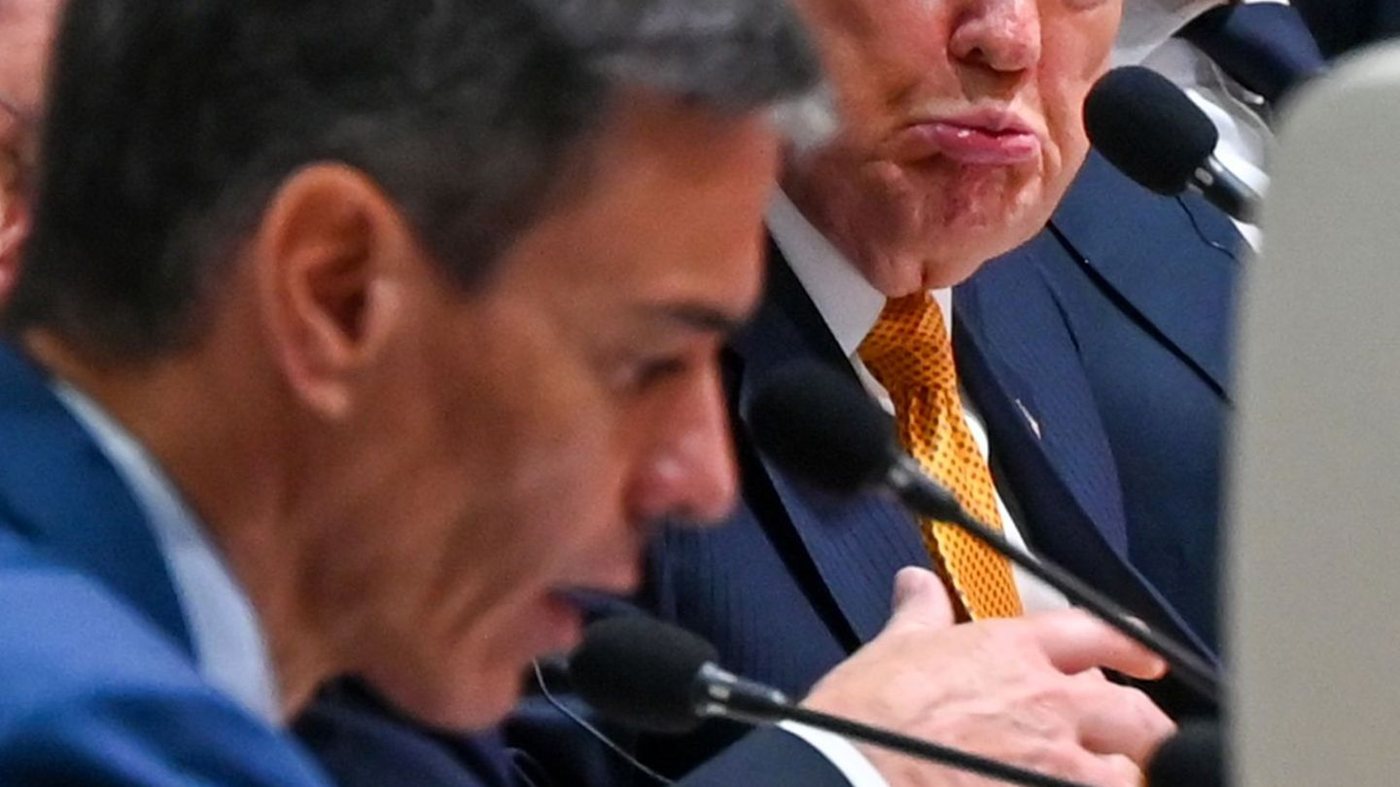
Spanish Prime Minister Pedro Sánchez has responded with restraint after US President Donald Trump launched a blistering attack on Spain during the NATO summit in Ankara, accusing the country of being a "terrible partner" and threatening to sever trade relations. Sánchez told journalists that he takes Trump's remarks "with calm and patience," and described their brief encounter before the group photo as friendly, focusing on football and the World Cup. "There were no tensions. On the contrary, there were only kind words and courtesy," Sánchez said, downplaying the heated rhetoric from the American leader.
Trump's outburst came during a press conference where he singled out Spain for failing to meet NATO's defense spending target. "Spain is a lost cause, a terrible partner in NATO," Trump declared. "They don't participate, they don't pay. I want nothing to do with Spain." He went on to mock the country, mimicking a pleading tone: "Let's see how hostile they are when they come and say, 'Please, please, we want to trade with you, sir.'" However, Trump overlooked the fact that the United States exports more to Spain than it imports, a detail that undercuts the threat of a trade embargo.
Spain is the only NATO member that has rejected the alliance's goal of raising defense spending to five percent of gross domestic product, a target Trump has aggressively pushed. Sánchez, one of the most vocal European critics of Trump's foreign and military policies, reiterated that Spain is fulfilling its existing commitments to NATO. The dispute highlights a broader transatlantic rift over burden-sharing within the alliance, with Trump repeatedly demanding that European members increase their military budgets.
The practical implications of Trump's threat are complicated by Spain's membership in the European Union. As an EU member, Spain is part of the single market, where goods and services move freely, and trade policy is largely delegated to the European Commission in Brussels. Any attempt by Washington to impose an embargo or punitive tariffs on Spain would likely face legal and diplomatic hurdles, as the EU has mechanisms to counter economic coercion. In a worst-case scenario, Brussels could respond by excluding US companies from public procurement contracts or imposing additional levies on American digital giants such as Apple, Microsoft, Google, and Meta.
Despite the harsh words, Sánchez insisted that his personal interaction with Trump was cordial. He reported that the two leaders chatted casually about soccer and the upcoming World Cup before the official photo session, with no sign of the tension that had just erupted in Trump's public remarks. This contrast between private pleasantries and public confrontation underscores the volatile nature of Trump's diplomatic style, which has often unsettled allies.
The incident also reflects deeper disagreements between Washington and Madrid over security policy. Spain has refused to allow US forces to use its bases for operations related to a potential conflict with Iran, a stance that likely fueled Trump's anger. Sánchez, a socialist, has positioned himself as a staunch defender of multilateralism and diplomatic solutions, clashing with Trump's unilateral approach. As the NATO summit continues, the exchange serves as a reminder of the challenges facing the alliance as it navigates internal divisions while confronting external threats.
101