US demands Iran guarantee freedom of navigation in Strait of Hormuz
The United States has demanded that Iran publicly commit to keeping the Strait of Hormuz open and safe for shipping, amid growing doubts about a peace deal and the nuclear agreement. Washington has warned of serious consequences if Tehran does not comply, while Iran denies seeking new talks.
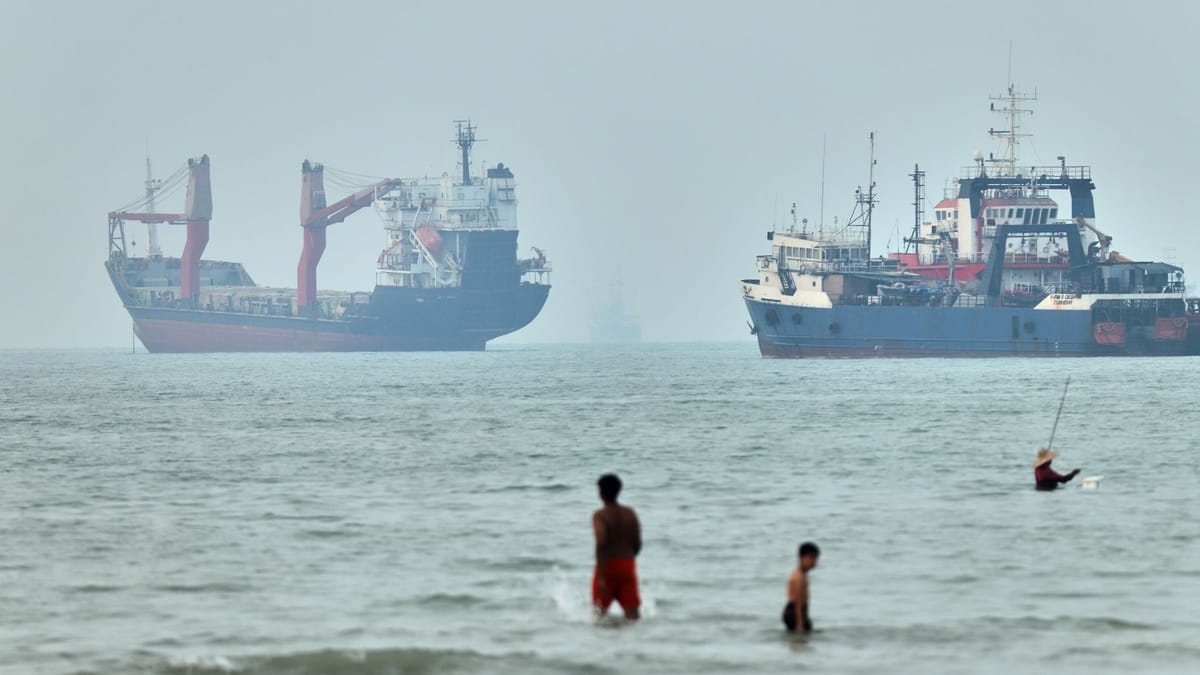
The United States is pressing Iran for a clear public commitment to ensure free and safe navigation through the Strait of Hormuz, according to reports from Axios and The Wall Street Journal citing US officials. The demand has been conveyed directly to Tehran and through regional mediators, with one official hinting at severe consequences if no such assurance is given by a deadline that remains unspecified. The move comes as Washington escalates pressure on Iran over attacks on commercial vessels in the strategic waterway, a vital chokepoint for global oil, gas, and fertilizer shipments.
US President Donald Trump on Friday reaffirmed the end of the ceasefire in the conflict with Iran, which had been in place since early April but was repeatedly violated. Trump wrote on his Truth Social platform that Tehran had requested continued talks and that Washington had agreed, though he placed the word «talks» in quotation marks, signaling skepticism. However, Iranian Foreign Ministry spokesman Ismail Baghai denied that Tehran had sought negotiations with the United States, stating instead that Iran had accepted a request from a regional mediator to visit and discuss the current situation.
According to Axios, Iranian Foreign Minister Abbas Araghtschi is expected to meet with his Omani counterpart in Muscat on Monday to discuss the dispute over the Strait of Hormuz. The escalation marks a significant setback for the framework agreement reached on June 17, under which both sides had committed to negotiating a final deal within 60 days to end the war. That agreement also included a ceasefire that Trump now considers void.
Beyond the immediate crisis over the strait, the US administration has grown increasingly pessimistic about reaching a nuclear deal with Iran. The Wall Street Journal reported that senior US officials now view a comprehensive agreement on Iran's nuclear program as increasingly unlikely, acknowledging that one of Trump's key foreign policy goals—curbing Tehran's nuclear ambitions—may not be achievable through diplomacy. The framework deal had required Iran to maintain the «status quo» on its nuclear program and renounce the development of nuclear weapons, in exchange for financial benefits and the reopening of the Strait of Hormuz.
Satellite imagery analyzed by the Institute for Science and International Security and CNN suggests that Iran may be rebuilding a military research facility at the Parchin complex, which was repeatedly struck early in the conflict. The images show concrete mixers and other equipment being used to permanently seal impact craters, indicating ongoing repairs. The Taleghan complex at Parchin has long been a subject of suspicion; the International Atomic Energy Agency has stated that until 2003, Iran worked there on technologies relevant to nuclear weapons, including tests with high explosives to simulate the implosion of a nuclear warhead. Iran denies the existence of such a program.
In contrast, CNN reported no suspicious activity at Iran's key uranium storage site in Isfahan, nor at the Natanz and Fordo facilities, which were bombed by the US last summer. Trump has repeatedly stated that his administration is closely monitoring these sites. The Strait of Hormuz has emerged as Iran's most powerful economic and military leverage in the conflict. The US military has bombed targets inside Iran in response to attacks on tankers, while Washington has reinstated sanctions on Iranian oil. Iran has retaliated with its own attacks, which have also affected Kuwait, Bahrain, and Jordan, where key US military bases are located.
The unresolved status of the nuclear program and the renewed tensions over the Strait of Hormuz cast doubt on the possibility of a lasting peace agreement. Senior US officials have warned that if Iran fails to adhere to the framework deal, there is little hope for a more complex accord that would eliminate Iranian nuclear material and impose long-term limits on its nuclear activities.
75