US Diplomat Says Markets Overestimate Risk of Taiwan Conflict
A senior US diplomat has told CNBC that investors are overpricing the risk of a military confrontation over Taiwan, even as analysts warn that a crisis could wipe trillions off global GDP and disrupt semiconductor supply chains.
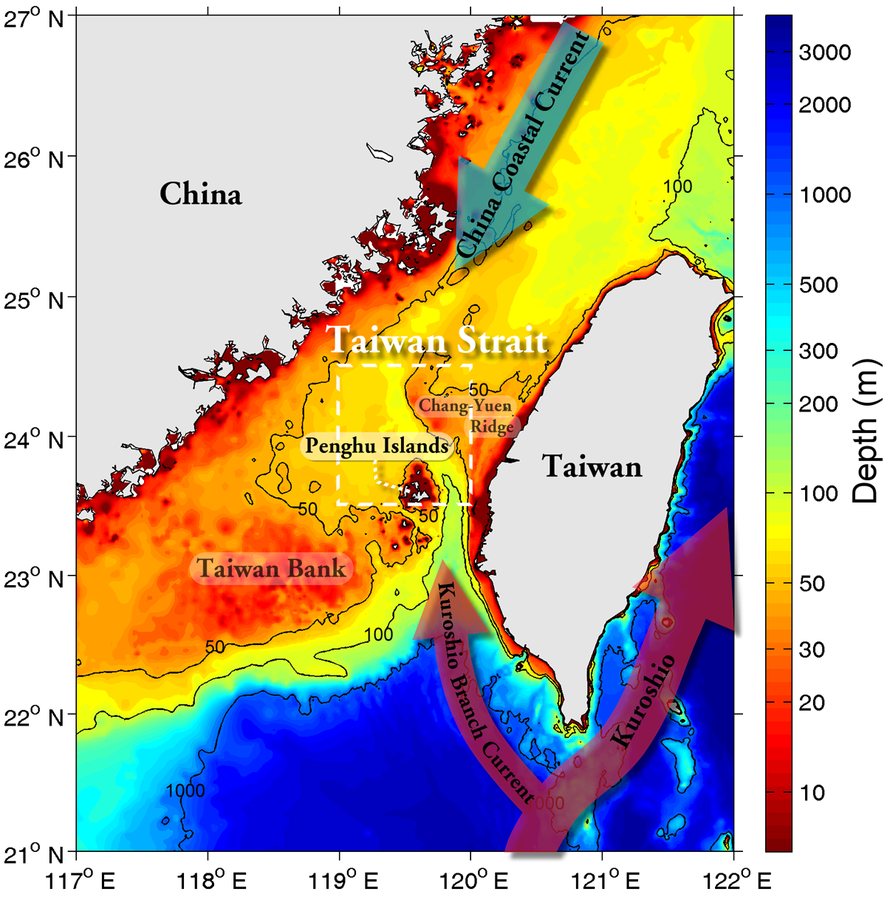
A senior US diplomat has said that financial markets are exaggerating the likelihood of a military confrontation over Taiwan, arguing that both Washington and Beijing want to avoid conflict and that deterrence is holding. Michael DeSombre, US assistant secretary of state for East Asian and Pacific affairs, told CNBC on Thursday that investors were «overpricing the risk of something happening across the Taiwan Strait.»
«Both China and the US don't want conflict, and we're able to deter conflict,» DeSombre said. He also described Chinese President Xi Jinping as «a very rational actor» who would carefully weigh the consequences of military action, pushing back against the perception that a crisis over the self-governing island is imminent.
The comments come amid persistent friction between Beijing and Washington over Taiwan. Beijing regards the island as part of its sovereign territory and says it seeks peaceful reunification, though it has not ruled out the use of force. The United States maintains a one-China policy but continues to supply Taipei with weapons, a practice Beijing has repeatedly denounced as interference in its internal affairs.
Despite the diplomat's reassurances, experts warn that financial markets may be ill-prepared for the economic fallout of any crisis. Taiwan dominates global production of advanced semiconductors, supplying chips essential to smartphones, vehicles, and artificial intelligence systems. A blockade or military escalation could disrupt manufacturing and key shipping routes, sending shock waves through global trade and technology supply chains.
A confrontation could also derail US-China trade relations, triggering new tariffs, export restrictions, and investment controls. Asian markets and American technology companies would be particularly vulnerable. Investors have already priced geopolitical risks into Taiwan-linked stocks, including chipmaking giant TSMC, according to MarketWatch.
Bloomberg Economics estimated in February that a US-China war over Taiwan could wipe $10.6 trillion, or 9.6%, off global GDP in its first year. The European Union would be among the hardest-hit regions, according to the British think tank Chatham House. Johns Hopkins University professor Hal Brands has warned that Beijing could opt for a blockade or customs quarantine rather than a full-scale invasion. «No one has a good idea how to price in the risk of a US-China military conflict over Taiwan,» he told an investment conference in September, according to Business Today.
The diplomatic backdrop remains tense. Last week, the United States delivered the first two of 66 new F-16 fighter jets ordered by Taipei under an $8 billion deal. It followed talks between US President Donald Trump and Chinese President Xi Jinping, during which Xi urged Washington to oppose «Taiwan independence» and «handle the Taiwan question with caution.»
Washington approved a record $11 billion arms package for Taiwan last December. Trump has reportedly delayed approval of another $14 billion deal, calling the potential sale a «very good negotiating chip» in talks with Beijing. US officials have claimed that Xi ordered China's military to be ready for a potential operation against Taiwan by 2027, although Beijing has not confirmed this.
DeSombre's remarks suggest that Washington sees the risk of near-term conflict as lower than markets appear to assume. Yet the scale of the economic exposure — from semiconductors to shipping lanes — means that even a limited crisis could have consequences far beyond the Taiwan Strait, leaving investors to weigh reassuring signals from officials against the sheer cost of being wrong.
5