US Military Ends Morning Strikes on Iran, Claims Reduced Threat in Strait of Hormuz
The US Central Command announced the conclusion of a series of morning strikes against Iran, stating the operations have diminished Iran's ability to attack commercial vessels in the strategic Strait of Hormuz.
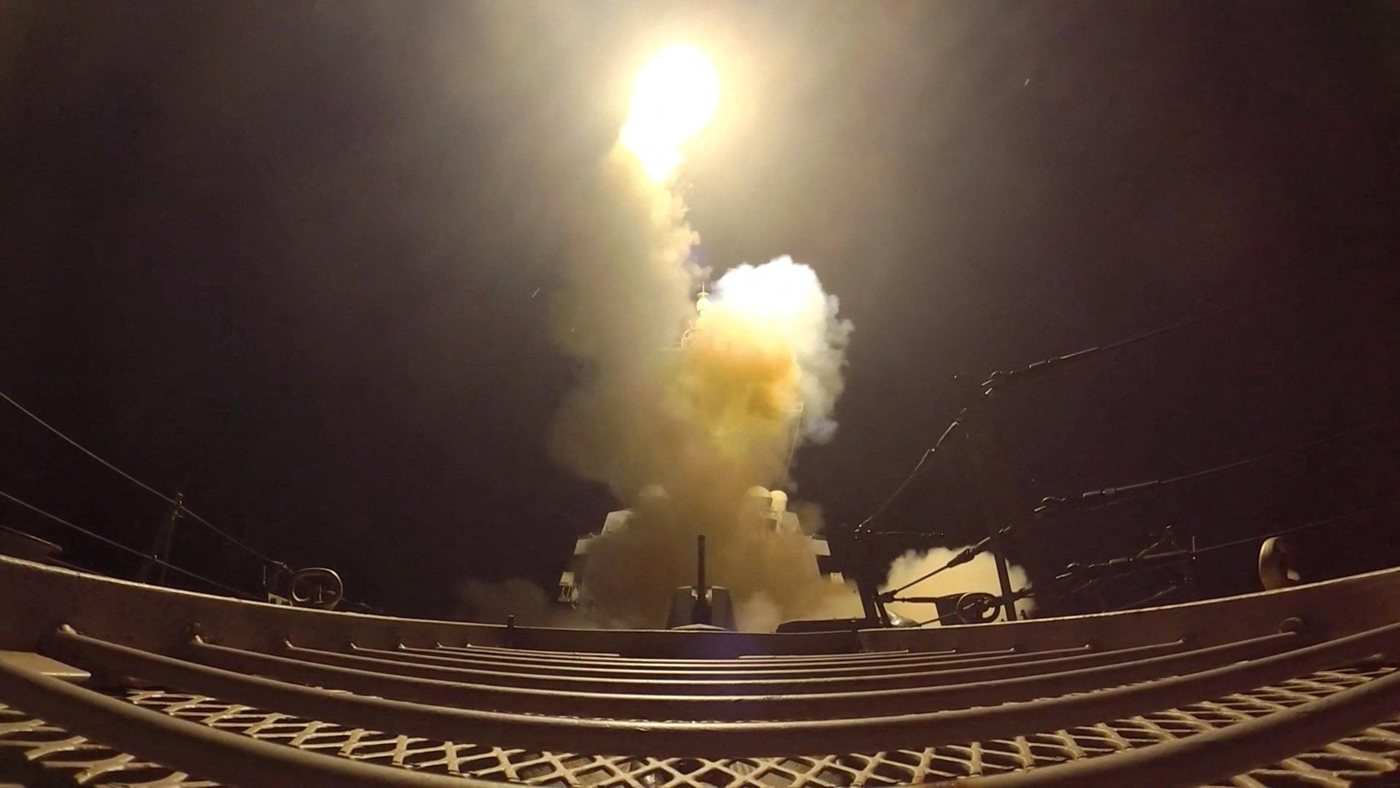
The United States military announced on Wednesday the end of a series of morning strikes against Iran, asserting that the operations have significantly reduced Tehran's capacity to threaten commercial shipping in the Strait of Hormuz. The announcement, made by the US Central Command (CENTCOM), marks a notable escalation in the ongoing tensions between the two nations in the Middle East.
« The strikes have further reduced Iran's ability to attack commercial vessels in the Strait of Hormuz, » CENTCOM stated in a communiqué, without providing specific details on the targets or the extent of the damage inflicted. The statement did not specify the exact number of strikes or the types of assets used, but it underscored the US military's focus on securing one of the world's most critical maritime chokepoints.
The Strait of Hormuz, a narrow waterway connecting the Persian Gulf to the Gulf of Oman, is a vital artery for global oil shipments. Approximately 20% of the world's petroleum passes through this strait, making it a strategic focal point for both regional and international powers. Iran has long threatened to close the strait in response to perceived aggressions, a move that would have severe repercussions for global energy markets.
In a parallel development, Iranian officials reiterated that the Strait of Hormuz would remain closed until what they described as « American acts of aggression » come to an end. This stance, reported by Iranian state media, signals a hardening of Tehran's position amid the latest US military actions. The closure of the strait, even temporarily, could disrupt oil supplies and trigger price volatility worldwide.
The US strikes come against a backdrop of heightened hostilities in the region, which have included exchanges of fire between US forces and Iran-backed militias, as well as ongoing conflicts involving Israel and Hamas. The broader Middle East crisis has drawn in multiple actors, with the US maintaining a significant military presence to protect its allies and interests.
Analysts note that the US military's focus on the Strait of Hormuz reflects a strategic priority to ensure freedom of navigation. The strait is not only crucial for oil tankers but also for liquefied natural gas shipments from Qatar and other Gulf states. Any disruption could have cascading effects on energy supplies to Asia, Europe, and beyond.
The CENTCOM statement did not mention any immediate plans for further strikes, but it emphasized that the US military remains prepared to respond to any threats. The announcement was made as part of a broader update on US operations in the region, which have included airstrikes against Iranian-linked targets in Syria and Iraq in recent months.
Iran's response to the strikes has been measured so far, with no immediate reports of retaliatory attacks. However, Tehran's insistence on keeping the Strait of Hormuz closed suggests that the standoff is far from over. The situation remains fluid, with both sides engaging in a war of words while positioning their military assets.
The international community has called for restraint, with the United Nations urging both parties to de-escalate and avoid a full-blown conflict. The European Union has also expressed concern, warning that any disruption to the Strait of Hormuz could have severe economic consequences.
As the situation evolves, the US military's announcement marks a clear message of its capability and willingness to project power in the region. The coming days will likely reveal more details about the effectiveness of the strikes and Iran's next moves. For now, the world watches closely as tensions in the Middle East continue to simmer.
79