US Military Launches Major Strikes Against Iran in Response to Tanker Attacks
The United States has launched a series of heavy strikes against Iran, targeting over 80 sites including air defense systems and naval assets near the Strait of Hormuz, in retaliation for Iranian attacks on commercial shipping. Iran has condemned the strikes as a violation of a ceasefire framework, while the US reinstated sanctions on Iranian oil.
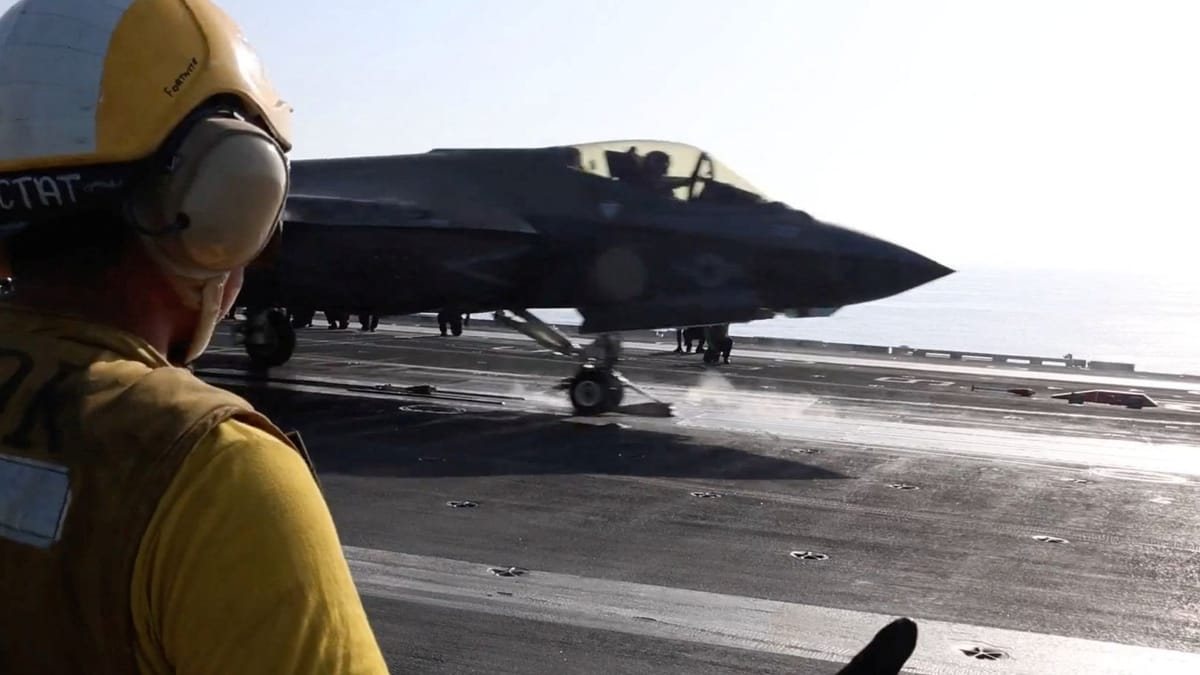
The United States military has launched a series of heavy strikes against Iran, targeting over 80 sites in and near the strategic Strait of Hormuz, according to the US Central Command (Centcom). The operation, which the Pentagon described as a direct response to Iranian attacks on commercial shipping, marks a significant escalation in tensions between the two countries. The strikes have concluded, Centcom confirmed, and were aimed at degrading Iran's ability to disrupt maritime traffic in one of the world's most critical oil transit chokepoints.
Centcom stated that the strikes hit air defense systems, anti-ship missiles, and more than 60 boats belonging to Iran's Islamic Revolutionary Guard Corps (IRGC) in or near the Strait of Hormuz. The US military said the attacks were a reaction to Iranian aggression against three commercial vessels passing through the strait, calling Tehran's actions «unjustified, dangerous, and a clear violation of the ceasefire.» The strikes were reportedly focused on IRGC facilities in the cities of Sirik and Bandar Abbas, both located along the strait, according to initial media reports from Iran.
Iran swiftly condemned the US strikes as a «serious violation» of the framework agreement that had been reached last month to de-escalate hostilities. Vice Foreign Minister Kazem Gharibabadi wrote on X that the US decision to reimpose sanctions on Iranian oil, followed by the military strikes, constituted a «grave breach» of the accord. He warned that Iran would take «decisive measures to protect its national interests and security.» The strikes came during ongoing mourning ceremonies for Iran's late Supreme Leader, Ayatollah Ali Khamenei, whose funeral processions have drawn large crowds across the country.
The US action was preceded by a series of attacks on tankers in and near the Strait of Hormus. The British Maritime Trade Operations (UKMTO) reported that a tanker was struck by a drone and suffered minor damage, while another vessel was hit by a projectile. In a related incident, Qatar summoned Iran's deputy ambassador after a Qatari liquefied natural gas tanker was attacked off the coast of Oman, demanding that Tehran «immediately cease all actions that undermine regional security» and avoid endangering international shipping and global energy supplies.
The US Treasury Department announced it had reinstated sanctions on Iranian oil, revoking a waiver issued just two weeks ago. The move prohibits new transactions involving Iranian crude oil, petrochemicals, and petroleum products. The sanctions are part of a broader US strategy to pressure Tehran over its nuclear program and regional activities. The US President reportedly approved the strike plan while attending a NATO summit in Turkey, according to journalist Barak Ravid, citing a US official.
The strikes have heightened fears of a broader military confrontation in the region. Last month, after weeks of fighting involving the US, Israel, and Iran, a provisional agreement was reached to create space for deeper negotiations. However, those talks have stalled. The new US strikes, combined with the reimposition of sanctions, threaten to unravel the fragile ceasefire. In Bahrain, air raid sirens were activated shortly after the US strikes, though authorities did not specify the reason. The situation remains tense, with both sides signaling a readiness to continue military and diplomatic actions.
The Strait of Hormuz is a vital waterway through which about 20% of the world's oil passes. Any disruption to shipping there can have immediate effects on global energy markets and prices. The US strikes and the Iranian response are being closely watched by oil markets, which have already seen price increases following the initial tanker attacks. The international community has called for restraint, but the cycle of attack and retaliation shows no sign of abating.