Yemen Conflict Escalates as White House Signals Uncertainty and Mecca Pact Shields Riyadh
The war in Yemen has entered its seventh month, with President Trump weighing a major decision on Iran and the Mecca Pact emerging as a strategic lifeline for Saudi Arabia as the conflict threatens to engulf the wider region.
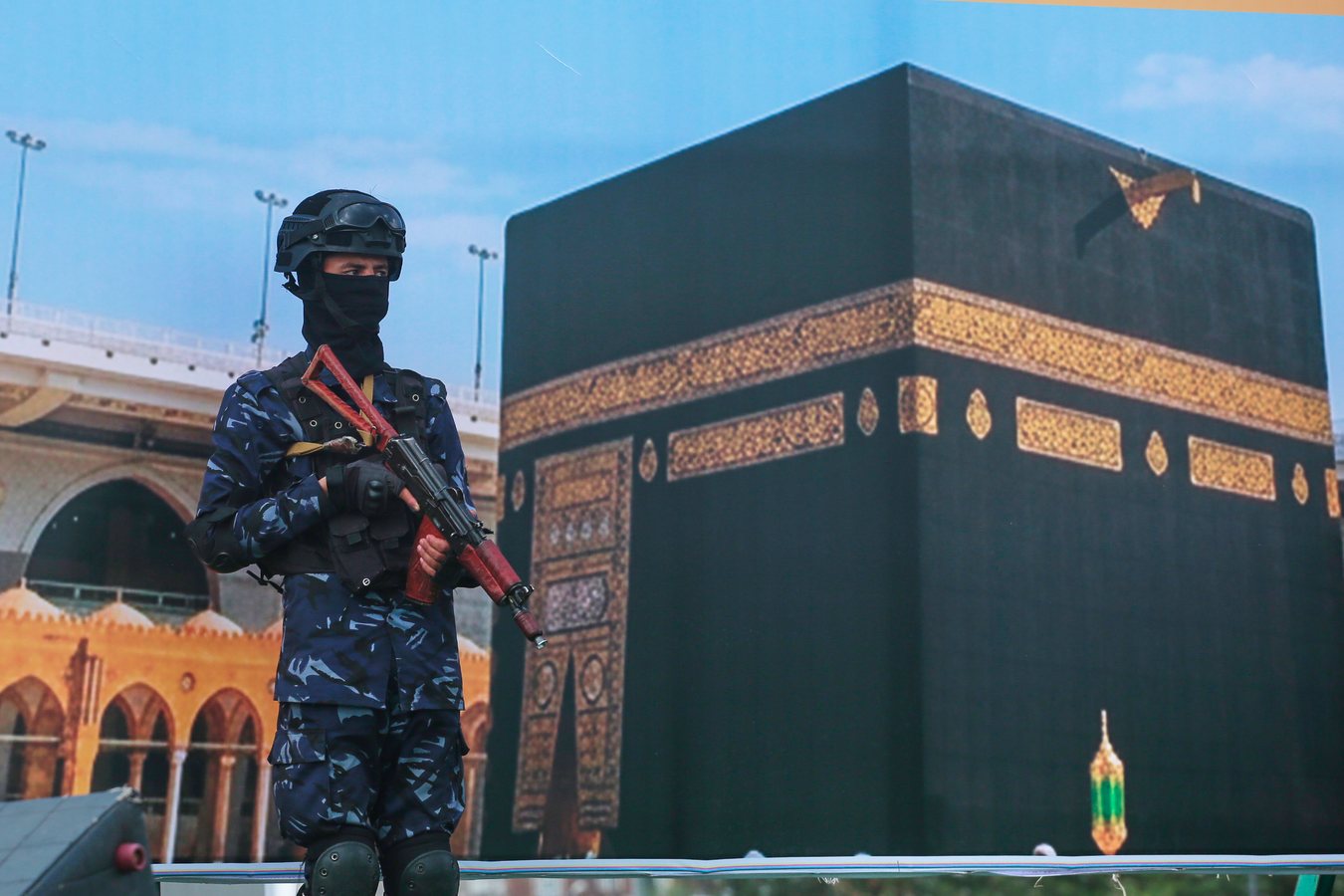
The war in Yemen has entered its seventh month, and the conflict is threatening to draw in a larger part of the Middle East, according to an analysis by Amin Saikal, emeritus professor of Middle Eastern studies. The assessment, published on The Conversation, points to a critical moment in the region as the United States weighs its next move on Iran.
President Donald Trump said last Thursday that he has an «important decision» to make regarding the Iranian regime. It is not the first time he has raised such a threat, but the timing is particularly critical. A war he once hoped to end quickly now risks expanding into a broader regional confrontation.
At the center of the analysis is the so-called Mecca Pact, which appears to offer Saudi Arabia a strategic lifeline as the conflict grows. The pact, whose details remain closely tied to Riyadh's regional calculations, is presented as a means for the kingdom to secure its position while the war in Yemen continues to escalate.
The conflict in Yemen has already become a protracted and destabilizing force. What began as a civil war has drawn in regional powers and created a complex web of alliances and rivalries. The seventh month of fighting marks a significant milestone, underscoring the failure of early hopes for a swift resolution.
The White House's uncertainty over how to proceed adds another layer of volatility. Trump's statement about an «important decision» on Iran comes amid growing pressure to define a clear strategy. The lack of clarity from Washington is itself a factor in the region's instability, as allies and adversaries alike try to anticipate the next move.
For Saudi Arabia, the Mecca Pact represents a potential buffer against the fallout from the Yemen war. The kingdom has been deeply involved in the conflict and faces risks from its spillover. The pact is seen as a way to consolidate support and manage the growing threats on its borders.
The analysis suggests that the conflict is far from winding down. Instead, it is entering a more dangerous phase, with the potential to involve more actors and escalate beyond Yemen's borders. The interplay between the war, the White House's deliberations, and the Mecca Pact will shape the region's trajectory in the coming months.
Saikal's assessment highlights the interconnected nature of the crises. The war in Yemen is not an isolated event but part of a larger regional struggle that includes Iran, Saudi Arabia, and the United States. Each decision by these powers affects the others, creating a volatile dynamic that is difficult to control.
The seventh month of the war also raises questions about the humanitarian toll and the prospects for peace. With no clear end in sight, the conflict continues to destabilize Yemen and the surrounding region. The Mecca Pact may provide Saudi Arabia with a measure of security, but it does not resolve the underlying drivers of the war.
As Trump considers his options on Iran, the region watches closely. The outcome of that decision could either intensify the conflict or open a path to de-escalation. For now, the situation remains fluid, with the White House's uncertainty mirroring the broader unpredictability of the war.
3