EU Grants Protected Geographical Indication to Romania's Brânza frământată de Teaca
The European Commission has approved the registration of Brânza frământată de Teaca, a traditional raw-milk cheese from northern Romania, as a Protected Geographical Indication, recognizing its distinct local production method and cultural heritage.
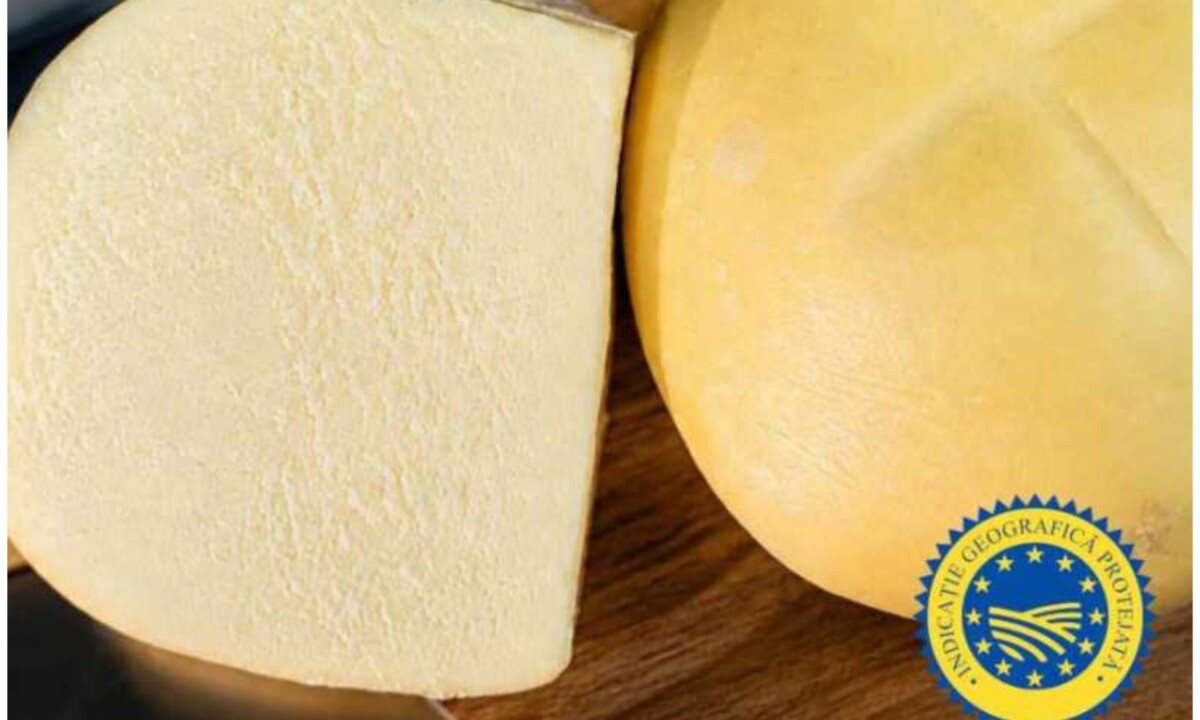
The European Commission has officially approved the registration of Brânza frământată de Teaca as a Protected Geographical Indication (PGI), granting the Romanian cheese the same legal protection afforded to other traditional European food specialties. The decision, announced by the Commission, places the product in a category that safeguards its name, production method, and regional identity against imitation or misuse across the European Union.
Brânza frământată de Teaca is a specialty originating from Teaca, a village in northern Romania. According to the Commission's announcement, the cheese is made from raw, unpasteurized cow's milk that undergoes a careful sequence of coagulation, fermentation, maturation, and salting before being packaged in a pig's bladder. This traditional method, passed down through generations of local producers, gives the cheese its distinctive character and ties it firmly to the geography and culture of the region.
The PGI designation is more than a formal label. It represents official recognition that the product's qualities are essentially linked to its place of origin, and it obliges EU member states to protect the name from commercial abuse. For small producers in Teaca and the surrounding area, the registration offers a legal shield and a marketing advantage, allowing them to distinguish their cheese in an increasingly competitive European market.
Romania has been steadily expanding its portfolio of protected food products in recent years, joining a system that includes thousands of names across the continent. Products such as Telemea de Ibănești and other traditional cheeses have already received similar recognition. The addition of Brânza frământată de Teaca reflects a broader effort to preserve rural food heritage and to promote regional specialties that might otherwise remain unknown outside their immediate localities.
The Commission's decision also carries cultural weight. In an era of standardized industrial food production, the PGI label highlights the value of artisanal methods and local knowledge. The use of raw milk and a pig's bladder casing, while unusual to some consumers, is part of a centuries-old tradition that defines the cheese's identity. By protecting this method, the EU acknowledges that food is not only sustenance but also a carrier of memory, place, and community.
For Teaca, a village that may not appear on many maps, the recognition brings a measure of international visibility. It could encourage tourism and support the local economy, as food enthusiasts seek out authentic regional products. At the same time, it places a responsibility on producers to maintain the standards that earned the designation, ensuring that the cheese remains true to its origins.
The registration process involved scrutiny by the European Commission and consultation with member states, confirming that the product meets the criteria for geographical indication. The name Brânza frământată de Teaca is now legally protected throughout the EU, meaning only producers in the defined area who follow the traditional specification may use it. This protection is intended to benefit both producers and consumers, who can trust that the product they buy is genuine.
As European food culture continues to evolve, such designations serve as a bridge between past and present. They allow traditional foods to find new markets without losing their soul. For the makers of Brânza frământată de Teaca, the PGI is both an honor and a tool, one that connects a small Romanian village to the wider world while keeping its unique character intact.
56