Integration Project Stages Jazz-Carnatic Concert in Auckland Amid Racial Debate
The Integration Project staged a concert in Auckland that brought together jazz, Carnatic, Māori and Chinese musical traditions, at a time of growing debate about racism and anti-Indian sentiment in New Zealand.
In Auckland, the Integration Project has shown with a concert at the Q Theatre how different musical traditions can come together. Under the title Music for World Peace, the ensemble fused jazz, Carnatic, Māori and Chinese music. The evening coincided with an intense public debate about racial tensions and anti-Indian resentment in New Zealand.
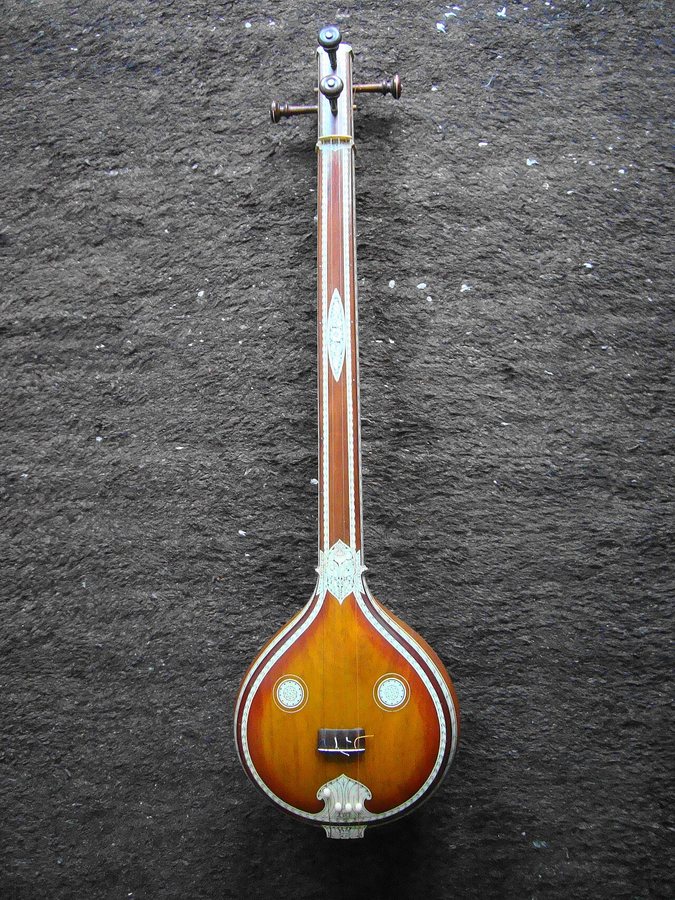
The musical direction was by Ben Fernandez. On stage were the Indo-jazz fusion band Arohana, the Rā Charmian Trio, Duane Wichman-Evans and the Singaporean-New Zealand artist Amanda Grace Leo. The pieces combined instruments and styles from very different cultural traditions. Alongside saxophone, bass guitar, drums and piano, the Mridangam, a South Indian drum, and the Carnatic violin could be heard.
Fernandez explained that the ensemble had incorporated elements of jazz, Indian classical music, Māori music and Chinese music. One example was the Mridangam accompanying a Chinese song on piano. Such combinations were meant to show that traditions do not exclude one another but can sound together.
The organiser Jacob Mannothra, founder of the Integration Project as part of the Pangaea Music Festivals, named growing social division as the main impetus for the initiative. He described tendencies in parts of the community that he called "fascist". Mannothra is a South Indian agronomist and scientist who has lived in New Zealand for around 30 years. Compared with his earlier time in the Marlborough Sounds, he perceived a changed social mood in Auckland. In his observation, people around him increasingly spoke about race and ethnic background. This impression was one of the reasons he had launched the project.
8