Two Iranian War Dramas Set to Premiere at Venice Film Festival
The Venice Film Festival will premiere two Iranian films offering on-the-ground insight into the societal impact of the ongoing war in Iran, six months after U.S. and Israeli forces attacked the country.
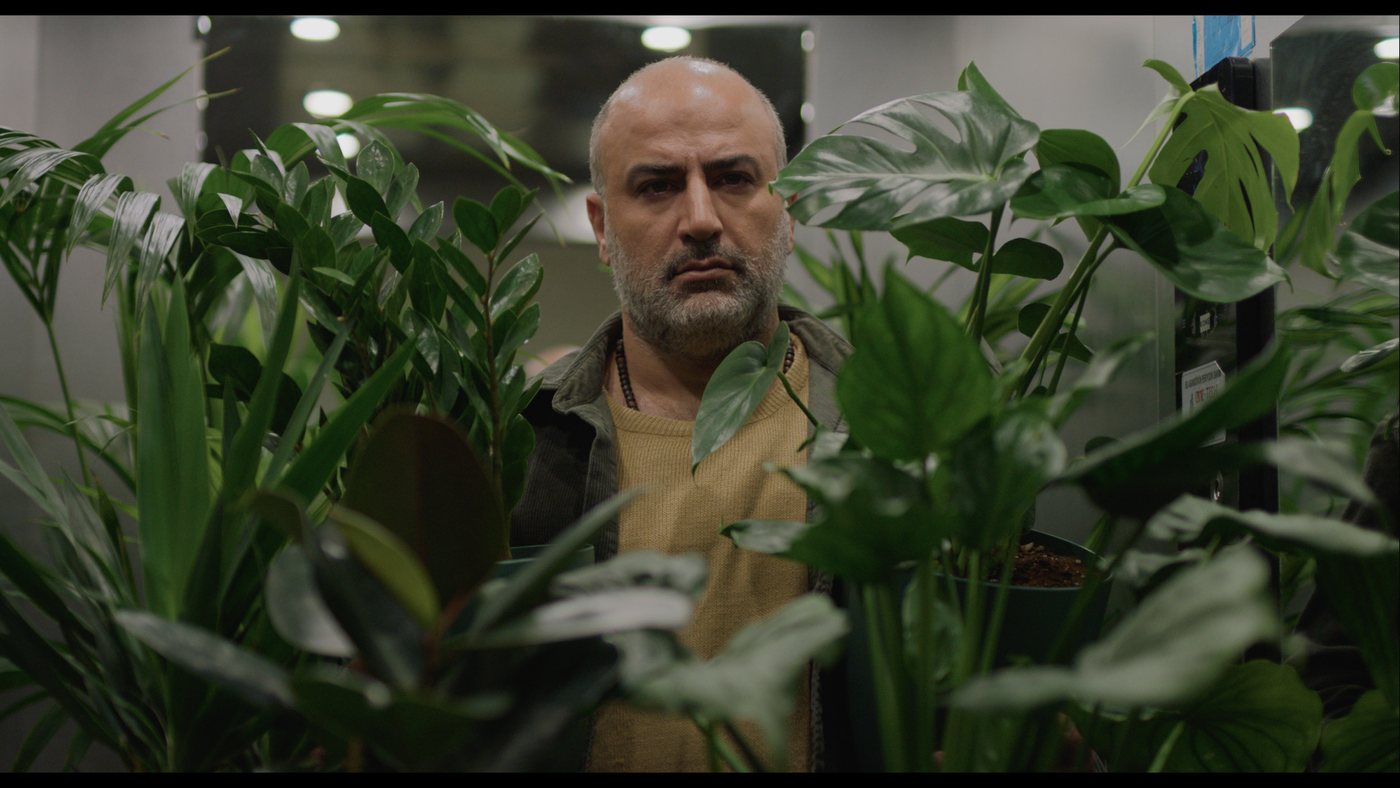
The Venice Film Festival is set to launch two Iranian dramas that will bring the human cost of the war in Iran to the international screen. Six months after U.S. and Israeli forces attacked the country, the films offer audiences a rare, on-the-ground perspective on how the conflict is reshaping Iranian society as it endures both external bombardment and internal repression.
Directed by Ali Asgari, a filmmaker known for his stark portrayals of life under authoritarian rule, the two works are among the most anticipated entries in this year's festival lineup. They arrive at a moment when the war has largely disappeared from Western headlines, yet continues to define daily existence for millions of Iranians caught between airstrikes and a regime that tolerates no dissent.
The films reportedly focus not on the battlefield but on the civilian sphere, examining how ordinary people navigate a landscape of fear, scarcity, and surveillance. Asgari's previous work has often centered on individuals forced into moral compromises by the state, and these new projects appear to extend that inquiry into the context of open conflict. The director's approach is character-driven, using intimate stories to illuminate broader political realities.
Venice has a long tradition of serving as a platform for cinema from countries in crisis, and the inclusion of these films carries particular weight given the difficulty of producing independent work inside Iran. Filmmakers operating there must contend with strict censorship, limited resources, and the constant threat of state reprisal. That these films exist at all is a testament to the resilience of Iranian artists, many of whom have chosen exile or underground production methods to keep working.
The festival's decision to feature both films together suggests a curatorial intent to present a fuller picture of the war's toll than any single narrative could offer. One film is said to examine the psychological scars left by months of nightly bombing, while the other reportedly explores the economic desperation that has gripped the country as sanctions and military spending have gutted the middle class. Together, they paint a portrait of a nation enduring a dual siege: one from without, one from within.
For international audiences, the films may serve as a corrective to the abstract way war is often discussed in policy circles. The conflict in Iran has been framed primarily in terms of geopolitics, military strategy, and regional stability. What gets lost in that discourse, the films suggest, is the texture of everyday life under siege — the queues for bread, the whispered conversations, the children who have known nothing but air-raid sirens.
Asgari's work has previously been celebrated at European festivals, where critics have praised his unflinching eye and his ability to find humanity in the most dehumanizing circumstances. His new films are expected to generate significant discussion not only for their artistic merits but for their documentary-like immediacy. Shot in conditions of considerable danger, they bear witness to a conflict that continues to unfold even as the festival prepares to screen them.
The Venice Film Festival has historically been a venue where cinema and politics intersect, and this year's lineup is no exception. By giving these Iranian dramas a prominent platform, the festival is making a statement about the role of art in bearing witness to history. For the filmmakers, it is an opportunity to ensure that the world does not look away.
64