Why Musicals Keep Turning to Bestsellers and Blockbusters
Stage adaptations of films and novels have become a staple of the musical genre, raising questions about creativity, commercial risk and the demands of the form.
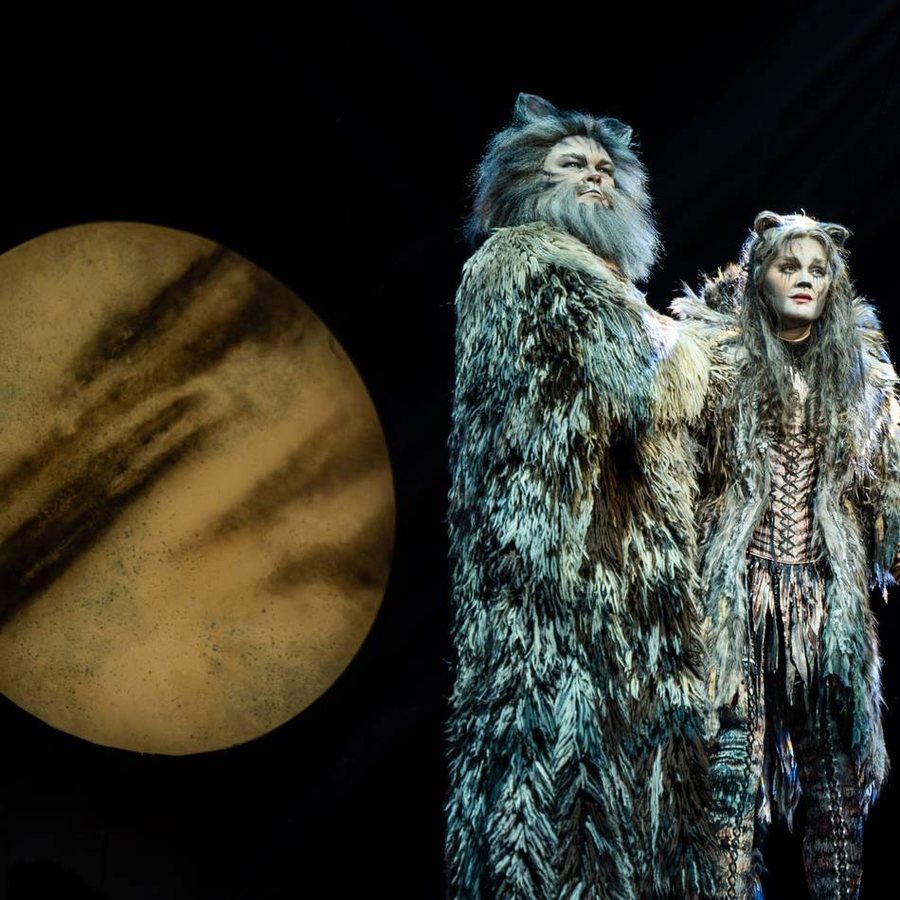
Musicals have long drawn on familiar stories, and the current stage landscape shows how strongly the genre depends on material that audiences already know. Productions such as «Der König der Löwen», «Das Phantom der Oper», «Die Päpstin», «Pretty Woman» and «Mrs. Doubtfire» all trace their origins to bestselling novels or cinema blockbusters. The pattern is not new, but it remains one of the defining features of commercial musical theatre.
The appeal is easy to understand. A title that has already succeeded as a film or a book arrives with a built-in audience, a recognizable story and a set of characters that theatregoers feel they know before the curtain rises. For producers, that familiarity can reduce the risk of a costly stage production. For audiences, it offers the comfort of a story they love, retold through music, song and live performance.
Yet the reliance on existing material raises a broader question about the genre itself. Adaptations are often judged against their source, and the stage version must justify its existence by adding something the film or novel could not offer. That might be a new score, a different emotional register or the immediacy of a live orchestra and performers in the same room as the audience.
The discussion also touches on how the musical is perceived as an art form. The genre is sometimes treated as lighter entertainment than film or literature, even though it combines acting, singing, dance, orchestration and stagecraft into a single production. The claim that musicals are a more demanding genre than films reflects that complexity: a stage show must hold an audience night after night without the tools of editing, close-ups or recorded sound.
For the churches and communities that have long engaged with culture, the phenomenon is a reminder that popular storytelling often carries enduring themes. Stories of family, loss, ambition, redemption and love move between page, screen and stage, and each medium shapes them differently. The musical does not simply copy a blockbuster; it translates it into a form built on presence, repetition and live performance.
What remains to be seen is how far the appetite for adaptations will carry the genre. Familiar titles may continue to fill theatres, but the health of the musical also depends on original work and on the willingness of audiences to embrace stories they have not seen before. The balance between commercial safety and creative renewal is likely to shape the stage for years to come.
5