Andy Burnham announces VAT cut on electricity bills in first major policy move
Prime Minister Andy Burnham has announced the removal of VAT on electricity bills, a move expected to save households around £45 per year as part of efforts to tackle the cost-of-living crisis.
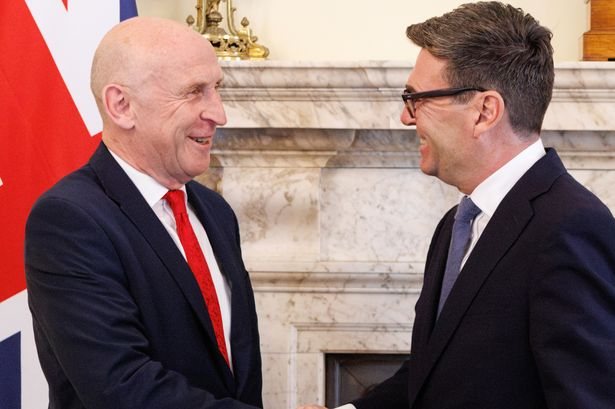
Prime Minister Andy Burnham has announced the abolition of VAT on domestic electricity bills in his first major policy initiative since taking office, a move designed to provide immediate financial relief to millions of households across the United Kingdom. The measure, which represents an £850 million tax cut, is expected to save the average household approximately £45 per year, as the new government seeks to address the ongoing cost-of-living pressures that have strained family budgets.
Speaking outside Downing Street after his first cabinet meeting, Burnham framed the policy as a way to deliver «breathing space» for families struggling with high energy costs. The decision to remove the 5 per cent VAT charge on electricity bills was a key element of his campaign platform and has now been enacted as a priority, signaling the government's focus on economic relief and household financial stability.
The announcement comes amid broader discussions within the cabinet about how to manage public finances while delivering on promises to ease living costs. Critics, however, have raised concerns about the funding of the policy. Former cabinet minister Darren Jones, who was sacked in the recent reshuffle, described the VAT cut as «unfunded» and argued that the government must explain how it will compensate for the lost revenue. Jones's remarks reflect a wider debate about fiscal responsibility and the sustainability of tax reductions without corresponding spending cuts or revenue increases.
In addition to the energy bill measure, Burnham's cabinet includes several new appointments tasked with key policy areas. Hamish Falconer has taken over as minister for intergovernmental relations and European relations, succeeding Nick Thomas-Symonds. Falconer brings substantial international experience to the role and will be responsible for continuing the reset of relations with the European Union. His brief includes navigating complex technical negotiations, such as the sanitary and phytosanitary agreement aimed at reducing Brexit-related barriers for food exporters, as well as reforms to electricity trading systems between the UK and the EU.
The VAT cut on electricity bills is part of a broader strategy by the Burnham government to address the cost-of-living crisis, which has been a dominant issue in British politics since the surge in energy prices following the war in Ukraine. The policy is expected to benefit all households that pay VAT on their electricity, including those in rented accommodation, and is designed to be implemented quickly without the need for complex legislation. Government officials have indicated that the change will take effect from the next billing cycle, providing near-immediate relief to consumers.
Energy experts have noted that while the £45 annual saving is modest, it represents a significant symbolic step by the new administration to prioritize household budgets over tax revenue. The move also aligns with broader efforts to reduce the tax burden on essential goods and services, a theme that Burnham emphasized during his leadership campaign. However, some analysts caution that the policy alone will not solve the underlying issues of high energy prices and market volatility, and that further measures may be needed to ensure long-term affordability.
The political reaction to the announcement has been mixed. Supporters within the Labour Party have praised the move as a concrete demonstration of the government's commitment to working families, while opposition parties have questioned the fiscal arithmetic. The Conservative Party has accused Burnham of engaging in short-term populism without a credible plan to balance the books. The Liberal Democrats have called for a more comprehensive approach, including increased investment in renewable energy and home insulation to reduce dependency on volatile fossil fuel markets.
As the Burnham government settles into office, the VAT cut on electricity bills is likely to be the first of several cost-of-living measures. The prime minister has indicated that further announcements on housing, childcare, and public transport are expected in the coming weeks. For now, the focus remains on delivering tangible savings to households, with the electricity VAT abolition serving as a flagship policy that defines the early direction of the new administration.
73