Andy Burnham Becomes Prime Minister, Names New Cabinet
Andy Burnham has become Prime Minister, succeeding Keir Starmer, and has appointed a new cabinet including Ed Miliband as Foreign Secretary and John Healey as Chancellor.
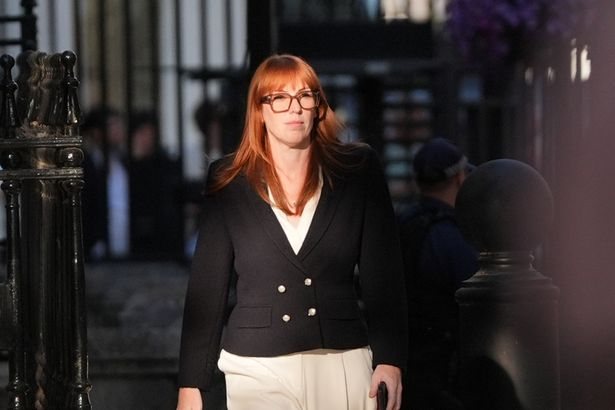
Andy Burnham has become Prime Minister of the United Kingdom, succeeding Keir Starmer after a period of internal Labour Party discussions. In a speech outside Downing Street, Burnham outlined his vision for the country, vowing that his arrival in power would represent a «circuit breaker» moment for British politics. The change in leadership comes as the Labour Party seeks to address challenges including the rise of the right-wing populist Reform UK party.
Burnham, previously the Mayor of Greater Manchester, has moved quickly to assemble his top team. Among the key appointments, John Healey, who had recently resigned under Keir Starmer's tenure, has returned as Chancellor of the Exchequer. Ed Miliband, a former Labour leader, has been named Foreign Secretary. Angela Rayner, Lisa Nandy, and Lucy Powell were among the MPs seen arriving at Downing Street as the new Prime Minister selected his cabinet. Yvette Cooper has been appointed Home Secretary, a role she previously held under Starmer.
The reshuffle marks a significant shift in the Labour government's direction. Burnham's speech emphasized a break from the past and a focus on addressing the concerns of voters who have turned to Reform UK. Historian Martin Farr of Newcastle University noted that the Labour Party sees it as its responsibility to prevent the rise of such populist movements, and this motivation has driven the decision to replace Starmer with Burnham. The new Prime Minister's approach is expected to prioritize regional development, given his background as a city-region mayor, and to tackle issues such as the cost of living and public services.
The transition of power followed a formal process: Keir Starmer met with the King to officially resign, after which Burnham traveled to Buckingham Palace to be formally appointed. He then proceeded to Downing Street to deliver his first speech as Prime Minister and begin forming his government. The new cabinet includes a mix of experienced figures and fresh faces, reflecting Burnham's desire to unite the party and present a credible alternative to the Conservatives.
Burnham's appointment has been met with a mix of anticipation and scrutiny. Supporters point to his record in Greater Manchester, where he oversaw improvements in transport, housing, and health policy. Critics, however, question whether his team can deliver on promises of economic growth and social reform. The new government faces immediate challenges, including a sluggish economy, strained public finances, and ongoing debates over energy policy, such as the proposed Rosebank oil field development in the North Sea, which protesters have already targeted with banners near Whitehall.
The cabinet appointments signal Burnham's priorities. John Healey, as Chancellor, is expected to focus on fiscal responsibility and investment in public services. Ed Miliband, as Foreign Secretary, brings experience in climate diplomacy and international relations. Yvette Cooper's return to the Home Office suggests a continued emphasis on security and immigration policy. The new Prime Minister has also indicated that he will maintain some continuity with Starmer's agenda while introducing his own initiatives, particularly on devolution and regional equality.
Political analysts have noted that Burnham's rise to the top of British politics represents a shift towards a more populist and regionally focused Labour Party. His background as a northern mayor contrasts with the London-centric image of previous leaders. The coming weeks will reveal how his government navigates parliamentary challenges, party unity, and public expectations. For now, the focus is on the new cabinet's first steps and the policies they will unveil in the coming months.
89