Andy Burnham to Become Labour Leader and Prime Minister After Starmer Steps Down
Andy Burnham is set to become the new leader of the Labour Party and Prime Minister on Monday, following Keir Starmer's resignation. Burnham, a former Greater Manchester mayor, will outline his vision for the country in a speech today.
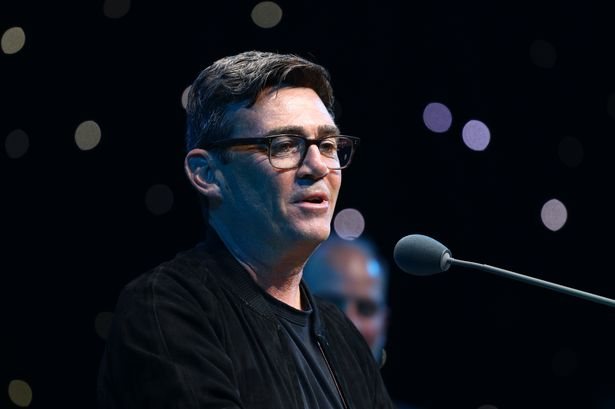
Andy Burnham will be formally announced as the new leader of the Labour Party today, paving the way for him to enter Downing Street on Monday after Keir Starmer announced he was stepping down. The Makerfield MP and former Greater Manchester mayor secured overwhelming backing from his party, positioning him as the next prime minister at a critical juncture for British politics.
Burnham is expected to deliver a bold speech in London later today, where he will vow to undo Margaret Thatcher's economic legacy and promise to fix what he describes as «the big things politics has neglected.» His ascension marks a significant shift for Labour, as he brings a blend of northern identity, grassroots appeal, and a track record of regional governance to the national stage.
The transition comes after a period of electoral difficulty for Labour, with the party performing poorly in recent local elections. Starmer's resignation cleared the path for Burnham, who had long been seen as a potential leader. Burnham's path back to the House of Commons was not straightforward: when he first sought to return by applying to be Labour's candidate in the Gorton and Denton by-election, the party's National Executive Committee blocked him, arguing that Labour might struggle to hold the Greater Manchester mayoralty in the resulting by-election. However, after Labour's disastrous May election results, the NEC could no longer justify blocking Burnham, and he was selected for the safe seat of Makerfield.
Burnham's leadership is expected to refocus Labour on core issues such as housing, public services, and regional inequality. As mayor of Greater Manchester, he championed policies on transport, homelessness, and devolution, earning him a strong following among both party members and the wider public. His pledge to be «unashamedly Labour» signals a return to traditional social democratic values, which many in the party believe will help rebuild trust with voters who have drifted away.
The formal announcement will take place at a special conference at noon, where Burnham will be confirmed as leader. He will then spend the weekend preparing to form a government, with key cabinet appointments expected to be announced shortly after he takes office. Allies suggest that his team will prioritize economic reform, investment in public services, and a renewed focus on devolution to empower regions outside London.
Burnham's rise to the top of British politics has been years in the making. After serving as a minister under Gordon Brown and later as Shadow Health Secretary, he was elected Mayor of Greater Manchester in 2017, a role he used to build a national profile. His handling of the COVID-19 pandemic and his advocacy for the North of England earned him cross-party respect. Now, as he prepares to lead the country, he faces the challenge of uniting a fractured party and addressing deep-seated economic and social challenges.
The transition of power is expected to be smooth, with Starmer stepping aside to allow Burnham to take the reins. Political analysts note that Burnham's leadership could reshape Labour's electoral strategy, particularly in the Midlands and the North, where the party lost ground to the Conservatives in recent years. His emphasis on fixing «neglected» issues may resonate with voters who feel left behind by decades of economic change.
As Burnham prepares to enter Number 10, the country will be watching closely to see how he translates his mayoral record into national policy. His speech today is expected to set the tone for his premiership, outlining a vision that combines fiscal responsibility with a commitment to social justice. For now, the Labour Party is rallying behind its new leader, hopeful that Burnham can lead them back to power and deliver the change many voters are demanding.
76