CDU Politician Steffen Bilger Proposed as New German Transport Minister
Chancellor Friedrich Merz has nominated CDU politician Steffen Bilger to succeed Patrick Schnieder as German transport minister. The move follows weeks of tension and signals an attempt to stabilize a troubled portfolio.
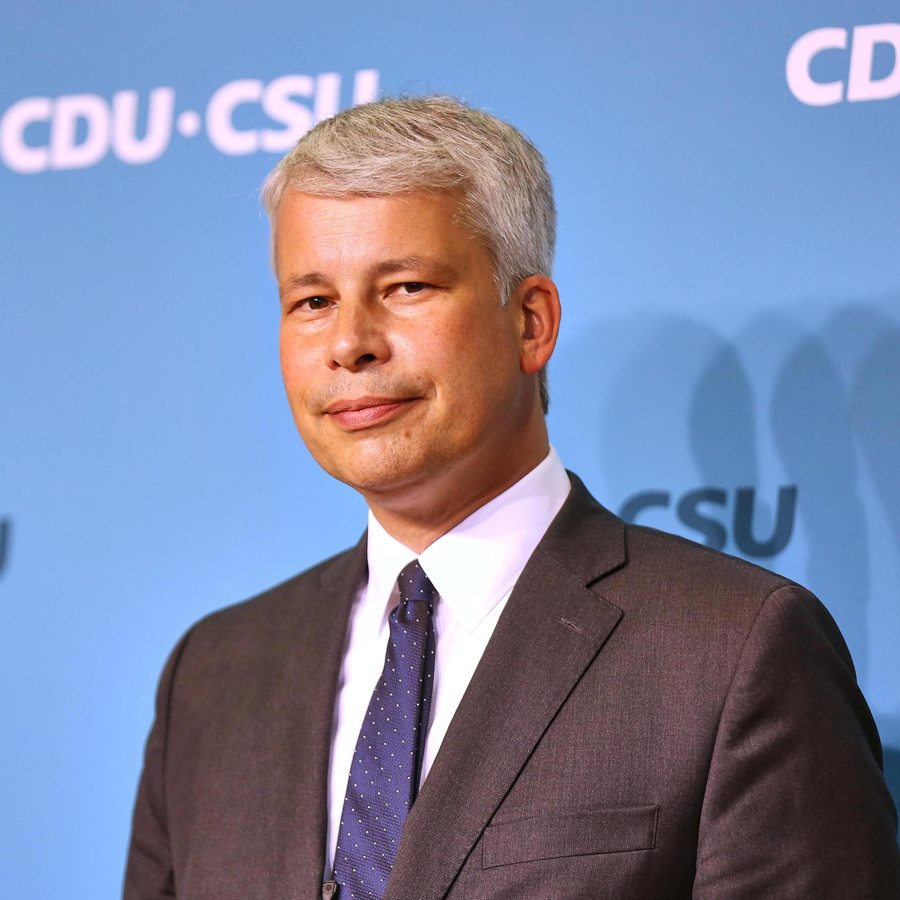
Chancellor Friedrich Merz has proposed CDU politician Steffen Bilger as the new German Federal Minister of Transport, replacing Patrick Schnieder. Government spokesperson Kornelius confirmed that Merz will formally nominate Bilger, currently the Parliamentary Secretary of the CDU/CSU Bundestag faction, for the post. The nomination is part of a cabinet reshuffle aimed at bringing stability to a ministry that has faced repeated criticism.
Schnieder's departure had been anticipated after weeks of internal friction. According to reports, Schnieder sent a text message to colleagues indicating that the chancellor intended to dismiss him. He later described the situation as an «unworthy state» and chose to step down before being removed. The transport ministry has been a problematic portfolio for the current government, with Schnieder's predecessor Andreas Scheuer also facing intense scrutiny over the failed car toll project and delays in infrastructure projects.
Steffen Bilger, a native of Baden-Württemberg, has been a member of the Bundestag since 2009. He previously served as Parliamentary State Secretary in the Transport Ministry under Minister Scheuer from 2018 to 2021, giving him direct experience with the department. Since 2022, he has held the influential role of parliamentary whip for the CDU/CSU group, where he was responsible for party discipline and legislative coordination. Colleagues describe him as a pragmatic and detail-oriented politician with a strong grasp of transport policy.
The new minister inherits a long list of pressing challenges. Germany's railway network, operated by Deutsche Bahn, suffers from chronic delays, outdated infrastructure, and underinvestment. Road networks are aging, with many bridges requiring urgent repairs. The government has pledged a massive investment programme, but implementation has been slow due to bureaucratic hurdles and disagreements within the coalition. Furthermore, the transport sector must contribute to national climate targets, requiring a shift toward rail and electric mobility.
Bilger will also need to navigate political dynamics within the coalition. The transport portfolio often sparks debate between economic interests and environmental goals. The appointment of a seasoned parliamentary organizer rather than an outsider suggests Merz wants to ensure stronger discipline and coordination within the ministry. The opposition has already indicated it will closely monitor the new minister's plans, particularly regarding infrastructure spending and climate measures.
The formal appointment process will involve Merz formally nominating Bilger, after which the Federal President will conduct the swearing-in ceremony. No exact date has been announced, but it is expected to take place within days. Bilger has not yet commented publicly on the nomination, but party colleagues have expressed confidence in his ability to manage the complex portfolio. The cabinet reshuffle may continue as Merz seeks to strengthen his team ahead of upcoming regional elections.
66