EU Crisis Commissioner Meets Romanian President to Discuss Climate, Geopolitical and Cyber Threats
European Commissioner for Equality, Preparedness and Crisis Management Hadja Lahbib met Romanian President Nicușor Dan at Cotroceni Palace to discuss the EU's response to climate-related dangers, geopolitical tensions and cyber threats.
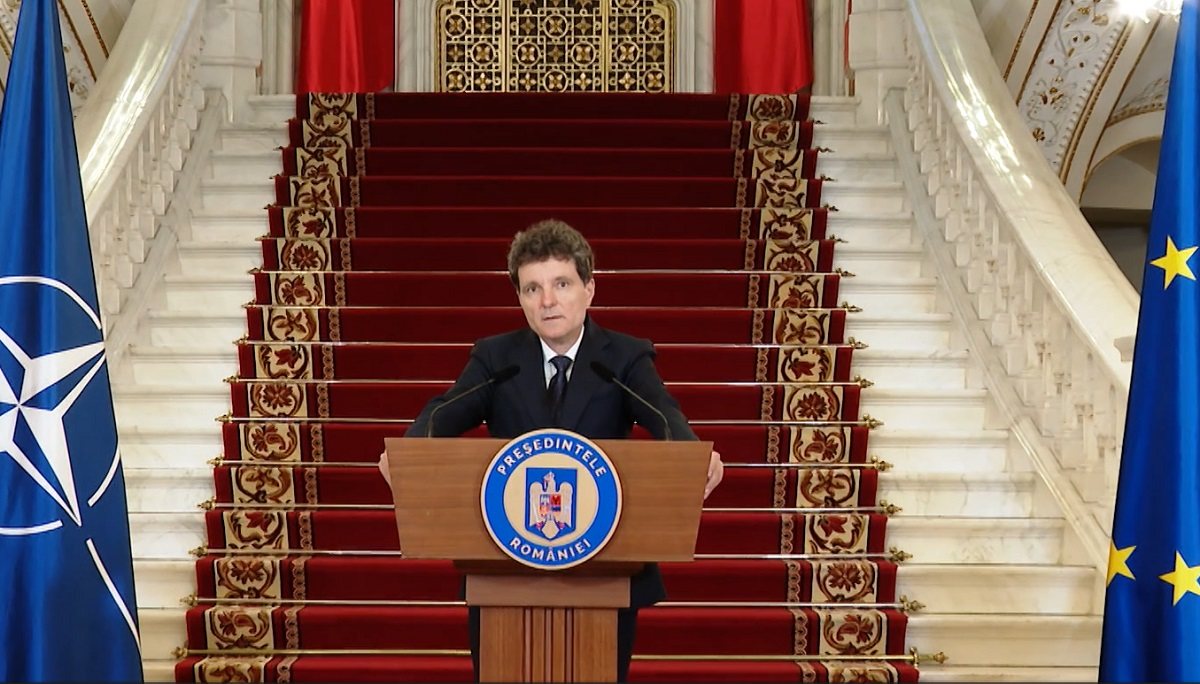
European Commissioner for Equality, Preparedness and Crisis Management Hadja Lahbib was received by Romanian President Nicușor Dan at Cotroceni Palace in Bucharest, with the discussion centering on the European Union's growing exposure to climate-related hazards, geopolitical tensions and cyber threats.
The meeting underscored the bloc's increasing focus on civil protection and crisis readiness as it confronts a more volatile security environment. Lahbib's portfolio places her at the center of efforts to coordinate how member states anticipate, prepare for and respond to emergencies that cross national borders.
According to the discussions, the EU is facing a combination of risks that range from extreme weather events and other climate-driven dangers to persistent geopolitical friction and a rising tide of cyberattacks. These challenges have pushed preparedness and crisis management higher on the European agenda, as institutions seek to strengthen resilience across member states.
The talks in Bucharest reflect a broader push to align national and EU-level crisis response. Romania, as a member state on the bloc's eastern flank, has a direct stake in both the geopolitical and security dimensions of the conversation, while also dealing with climate-related risks such as flooding and drought that have affected parts of the country in recent years.
Hadja Lahbib's role as Commissioner for Equality, Preparedness and Crisis Management gives her responsibility for policies that aim to protect citizens and critical infrastructure before disasters strike. Her visit to Cotroceni Palace signals the importance the European Commission attaches to coordination with national capitals, particularly those in regions where multiple risk factors overlap.
The meeting also comes amid wider European discussions about how to fund and organize civil protection, emergency response and cyber defense. Member states have been working to improve early warning systems, cross-border assistance and the sharing of threat assessments, areas where the Commission plays a coordinating role.
While the public readout of the meeting did not detail specific new measures or agreements, the agenda itself highlights the priorities that Brussels and Bucharest share. Climate adaptation, geopolitical vigilance and cybersecurity are increasingly treated not as separate issues but as interconnected elements of a single preparedness strategy.
For Romania, the conversation with a senior EU commissioner carries practical significance. The country has been upgrading its emergency response capabilities and has been a participant in European civil protection mechanisms. Cooperation with the Commission can help channel resources, expertise and best practices toward those efforts.
The meeting at Cotroceni Palace is part of a regular pattern of consultations between EU officials and national leaders. Such encounters allow the Commission to hear directly from member states about their vulnerabilities and needs, while giving national governments a chance to shape EU-level priorities.
As the EU continues to grapple with a complex risk landscape, the exchange between Lahbib and Dan serves as a reminder that crisis management is now a central element of European governance. The focus on climate, geopolitics and cyber threats reflects a consensus that preparedness must be built into policy across all sectors, from infrastructure and energy to health and public administration.
The discussions did not produce any announced decisions, but they reinforce the ongoing dialogue between Brussels and Bucharest on how best to protect citizens and institutions in an era of overlapping emergencies.
48