Justice Alito Recuses Himself Days Before Major Climate-Change Case
Justice Samuel A. Alito Jr. has withdrawn from a major Supreme Court climate-change lawsuit, raising questions about the court's balance days before arguments.
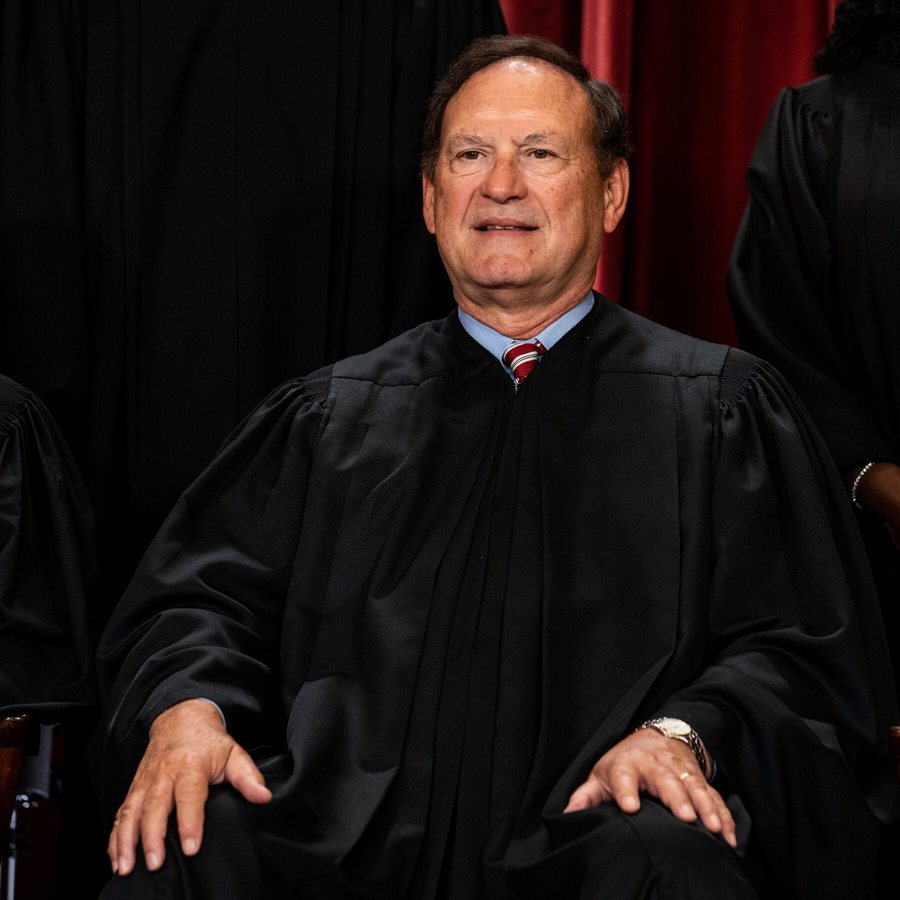
Justice Samuel A. Alito Jr. will not participate in a major climate-change lawsuit set to be heard by the Supreme Court, the court has confirmed. The recusal comes just days before the case is scheduled for argument, removing one of the nine justices from a dispute that could reshape the legal landscape for energy policy and environmental regulation across the United States.
The case, which centers on whether fossil fuel companies can be held liable for climate-related damages, has drawn intense public and political attention. It arrives at a moment when the Supreme Court's decisions on environmental matters carry far-reaching consequences for federal agencies, state governments, and private industry. Alito's withdrawal narrows the bench to eight justices for this proceeding, introducing the possibility of a tied vote if the remaining members split evenly.
Alito, who has served on the court since 2006, did not publicly explain his decision. Recusals typically follow financial conflicts, prior involvement in related litigation, or other ethical considerations. The timing — only days before oral arguments — has prompted speculation about the reasons, though no official statement beyond the confirmation of his withdrawal has been released.
The lawsuit itself is one of several climate cases moving through the federal courts. At issue is whether lawsuits brought by states and municipalities against oil and gas companies belong in state or federal court, and whether the companies can be sued over their contributions to climate change. The Supreme Court's eventual ruling could determine the venue for numerous similar cases, affecting how — and where — such claims proceed.
A recusal of this kind is not unprecedented, but it is notable in a case of such magnitude. With eight justices, a 4-4 split would leave the lower court's decision in place without setting a national precedent. That outcome could create uncertainty for litigants and leave the legal question unresolved for future cases.
The court is expected to hear arguments as scheduled. Alito's absence will be felt in the questioning and deliberations, particularly given his consistent record on environmental and administrative law issues. His vote would have been closely watched by both supporters of climate litigation and industry defenders.
Public reaction has been swift, with legal analysts and advocacy groups noting the significance of a recusal so close to argument. Some observers have called for greater transparency around the reasons, while others emphasize that recusals are a matter of judicial discretion. The court has not indicated whether any further explanation will be provided.
For now, the case proceeds with eight justices. The outcome will be closely monitored not only for its immediate legal effect but also for what it signals about the court's approach to climate-related disputes. The decision could influence how similar cases unfold in lower courts and whether states and municipalities can pursue damages from energy producers.
Alito's recusal adds another layer of unpredictability to a term already marked by high-stakes cases. As the court prepares to hear arguments, the focus will remain on the remaining justices and the arguments they find persuasive. The ruling, whenever it comes, will carry implications far beyond the courtroom.
2