Merz Faces Voter Skepticism as Germany's Economic Pressures Mount
Chancellor Friedrich Merz is struggling to persuade German voters, particularly younger ones, of the need for difficult economic measures, as the far-right AfD gains ground.
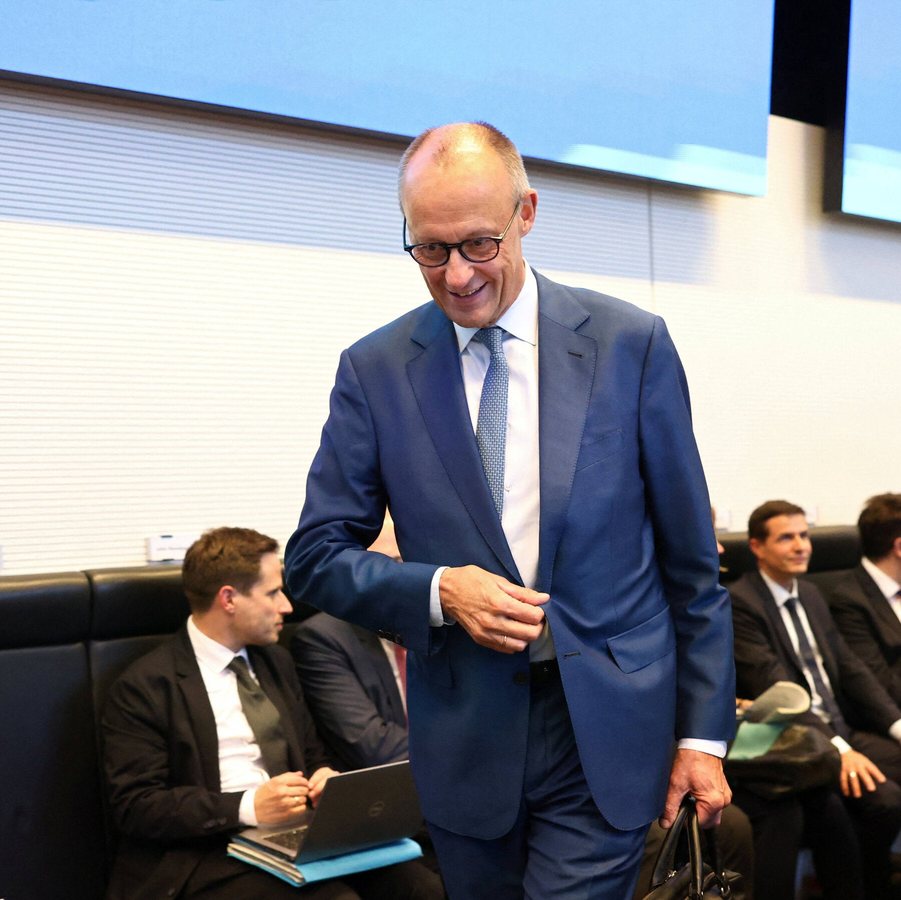
Chancellor Friedrich Merz of Germany is facing mounting difficulty in persuading voters to accept his government's economic agenda, with younger Germans proving especially resistant to his message about the necessity of painful reforms. The challenge has become one of the defining political problems of his chancellorship, according to observers of German politics.
Merz, who took office after a coalition victory, has argued that Germany needs structural changes to restore competitiveness and fiscal stability. But explaining those measures to a public already strained by years of economic stagnation and global uncertainty has proven far harder than his party anticipated. The difficulty is particularly acute among younger voters, who appear less willing to accept short-term sacrifices for uncertain long-term gains.
The political stakes are considerable. The far-right Alternative for Germany, known as the AfD, has capitalized on public discontent, drawing support from voters who feel mainstream parties have failed to address their economic anxieties. Merz's ability to communicate effectively with the electorate will shape not only his government's fortunes but also the broader trajectory of German politics at a time when the country's traditional consensus is under strain.
At a party meeting in Berlin on Tuesday, Merz appeared before colleagues as the government wrestles with how to frame its economic message. The chancellor's core problem, according to the source material, is explaining to voters — especially younger ones — why difficult measures are necessary. That communication gap has become a central vulnerability.
Germany's economic context adds urgency. The country has faced sluggish growth, industrial pressures, and the fiscal demands of supporting Ukraine and rearming its military. These competing priorities have forced the government to make choices that are unpopular with significant segments of the population. Merz has positioned himself as a leader willing to make tough decisions, but the political cost of that stance is becoming evident.
The AfD's rise has reshaped Germany's political landscape, challenging the dominance of the traditional parties and forcing mainstream leaders to confront questions about representation and responsiveness. For Merz, the task is not merely policy design but persuasion — convincing a skeptical public that his approach will ultimately deliver stability and prosperity.
Younger voters, in particular, have grown up in an era of economic uncertainty, climate anxiety, and rapid technological change. Their skepticism toward established institutions and conventional political messaging is well documented. Merz's challenge is to bridge that gap without abandoning the fiscal discipline his party has long championed.
How effectively he manages this balancing act will determine whether his government can build the durable support needed to implement its agenda. The coming months will test whether Merz can translate policy conviction into public trust — or whether the communication gap will continue to widen, further benefiting his political opponents.
3