Modi Secures Third Term as BJP-Led Coalition Wins Indian Election Majority
Indian Prime Minister Narendra Modi will serve a third consecutive term after the National Democratic Alliance, led by his Bharatiya Janata Party, secured the required 272 seats in the general election, though the BJP faced unexpected setbacks.
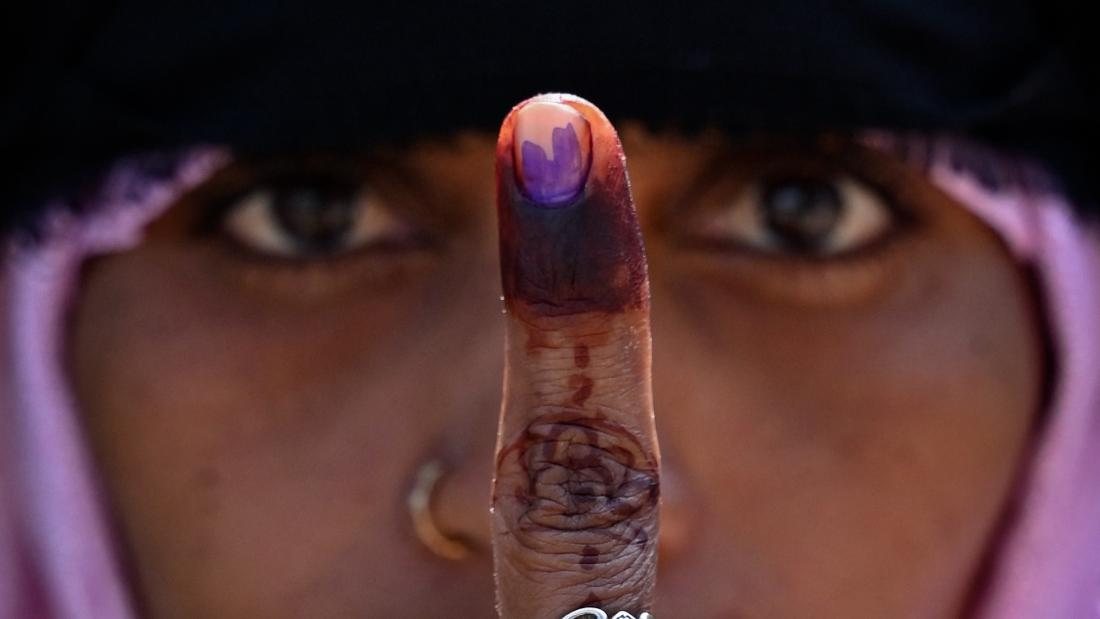
Indian Prime Minister Narendra Modi is set to serve a third consecutive term in office after the country's election authority confirmed that the National Democratic Alliance coalition, headed by his ruling Bharatiya Janata Party, won the required 272 seats for a parliamentary majority. The announcement on June 4, 2024, came after a weeks-long voting process that saw the BJP face unexpected losses in several key constituencies, narrowing its majority compared to previous elections.
The final results showed the NDA coalition crossing the majority threshold, ensuring Modi's return as prime minister. However, the BJP itself fell short of an outright majority, a significant shift from the landslide victories the party achieved in 2014 and 2019. Analysts noted that the opposition, led by the Indian National Congress and regional parties, made notable gains in states such as Uttar Pradesh, Maharashtra, and West Bengal, challenging the BJP's dominance in the world's largest democracy.
Modi addressed supporters at the BJP headquarters in New Delhi, declaring the election outcome a victory for the coalition and a mandate for continuity. He emphasized his government's focus on economic development, national security, and social welfare programs. The prime minister also acknowledged the competitive nature of the election and pledged to work with coalition partners to address the concerns of all Indians.
The election, held over several phases in April and May, saw a voter turnout of approximately 66 percent, slightly lower than in previous cycles. Key issues included unemployment, inflation, and agricultural reforms, which resonated with voters in rural areas. The BJP's campaign centered on Modi's leadership, infrastructure projects, and Hindu nationalist policies, but the opposition successfully mobilized around concerns about democratic backsliding and economic inequality.
The NDA coalition includes several regional parties, such as the Telugu Desam Party and the Janata Dal (United), which will play a crucial role in forming the government. Modi's third term is expected to continue his administration's policies on digitalization, defense modernization, and energy transition, though coalition dynamics may require more consensus-building than in previous terms.
International reactions to the election results have been mixed. While allies such as the United States and Japan congratulated Modi on his victory, human rights organizations expressed concerns about the treatment of religious minorities and press freedom under his leadership. The election outcome is seen as a test of India's democratic resilience amid rising polarization.
As Modi prepares to take the oath of office, the focus will shift to cabinet formation and the legislative agenda for the new term. The BJP's reduced majority may lead to a more cautious approach on contentious issues, including a proposed uniform civil code and changes to land acquisition laws. The coming months will reveal how the coalition government navigates these challenges while maintaining economic growth and social stability.
89