New York Mayor Mamdani Struggles to Define 'Working Class' in Interview
New York City Mayor Zohran Mamdani faced difficulty defining the term 'working class' during a New York Times interview, offering shifting criteria and drawing criticism for his vague responses.
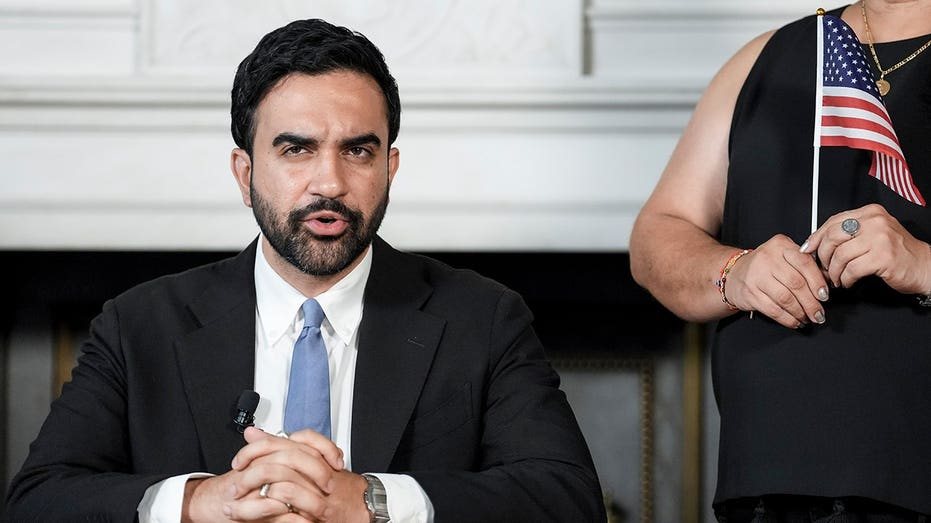
New York City Mayor Zohran Mamdani struggled to provide a clear definition of the term 'working class' during a recent interview with The New York Times, sparking debate over his political messaging and the platform of the Democratic Socialists of America (DSA), the organization he belongs to. The exchange, conducted by journalist Lulu Garcia-Navarro, highlighted the challenges the mayor faces in articulating his economic policies and class-based rhetoric.
When asked whether the DSA has a specific definition for the working class it claims to champion in elections, Mamdani initially responded: 'I think if you have to work to pay your bills, I think that that is one definition of being a part of the working class.' Garcia-Navarro pressed him on whether someone earning $250,000 annually would fall under that category. Mamdani then shifted his answer, stating: 'I haven’t sat at home and asked myself where it starts and stops. What I would say is those who are working to try and afford the basic dignities of life and aren’t able to do so, I think that that is also working class.'
Garcia-Navarro noted that his response did not 'ring true' because it seemed to imply that anyone receiving a salary qualifies as working class. She asked if he drew any income boundaries. Mamdani replied that he drew the line at 'about a million dollars a year.' When Garcia-Navarro asked if that meant everyone earning under $1 million is working class, Mamdani backtracked: 'That’s not what I’m saying. I’m just saying, in terms of fiscal policy, I think a lot of our politics has been a debate over who you leave out. And I’m more interested in debates of how you bring more in.' He added that he wants to raise taxes on those earning more than $1 million annually.
The journalist pointed out that his definition could lump a janitor in the same category as a lawyer, questioning whether that was accurate. Mamdani deflected by discussing his campaign experience: 'When I was running, a question I would face was: What does it mean to be a democratic socialist? And I only bring that up because I think sometimes there’s a fixation on a definition of something. And what I found is, when I would knock on New Yorkers’ doors, they would just ask, 'Am I part of your vision?'' He emphasized that people want to know if they can work hard and afford a good life in the city, regardless of income labels.
The interview also drew attention for Mamdani’s remarks on foreign policy. He revealed that his administration is in 'active conversation' with the city’s Law Department about potential legal action against Israeli Prime Minister Benjamin Netanyahu if he visits New York for the United Nations General Assembly in September. Mamdani called Netanyahu a 'war criminal' who 'belongs in The Hague,' reiterating his intention to honor an International Criminal Court arrest warrant for the Israeli leader. These comments have generated criticism online, with some calling them 'pure political theater.'
Mamdani’s struggle to define the working class comes amid broader scrutiny of his political stance and the DSA’s platform. The organization advocates for policies such as universal healthcare, affordable housing, and higher taxes on the wealthy, but critics argue that its class-based rhetoric lacks precision. The mayor’s office did not immediately respond to a request for comment from Fox News Digital.
The incident underscores the difficulty politicians face in using broad socioeconomic terms to appeal to diverse constituencies. Mamdani’s shifting definitions — from 'those who work to pay bills' to those earning under $1 million — have fueled accusations of vagueness, though his supporters argue that the focus should remain on policy outcomes rather than labels. As the mayor navigates his role, his ability to clearly communicate his vision will likely remain a point of contention.
83