Supreme Court Agrees to Hear New Challenge on Race in School Admissions
The US Supreme Court will take up a fresh case on race and school admissions, three years after striking down affirmative action programmes at Harvard and the University of North Carolina.
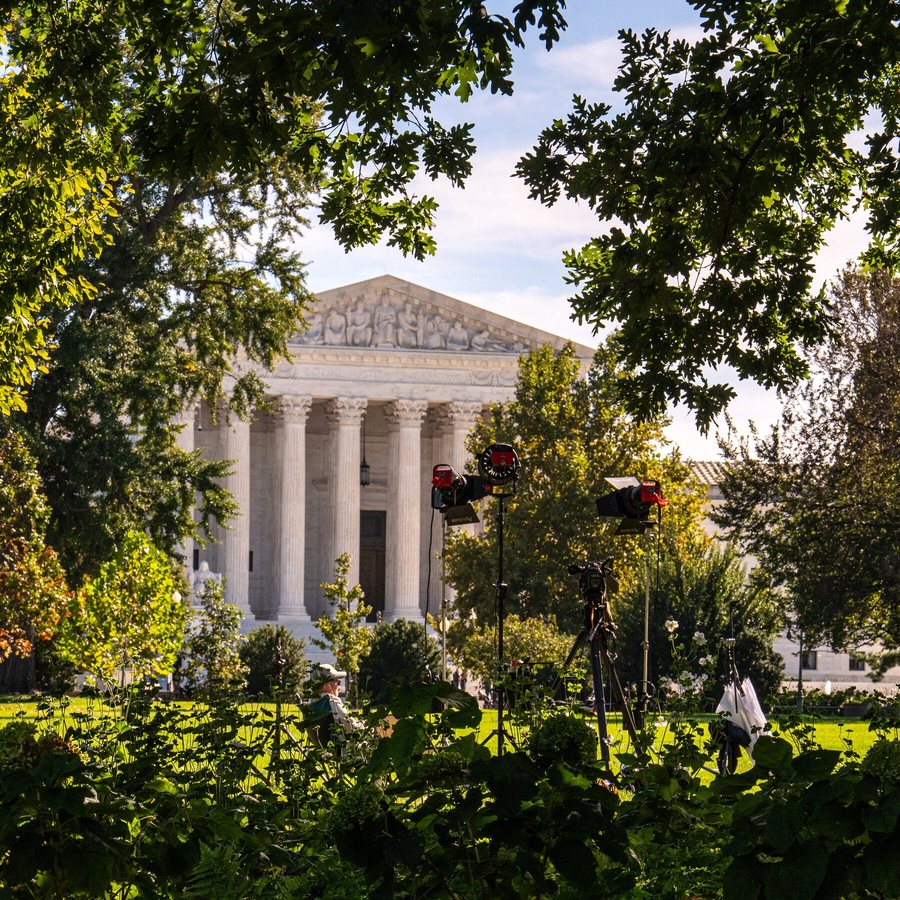
The US Supreme Court has agreed to hear a new case concerning race and school admissions, reopening a legal question it appeared to settle in 2023 when it struck down race-conscious admissions programmes at Harvard and the University of North Carolina. The decision to take up the matter signals that the court intends to revisit how far institutions may go in considering race when deciding who is offered a place.
The 2023 ruling was a landmark moment in American education and constitutional law. In a decision that divided the justices, the court held that the admissions policies at Harvard and the University of North Carolina were unlawful, effectively ending the use of race as a specific factor in university admissions across the country. Supporters of the ruling described it as a vindication of equal treatment under the law; critics warned that it would reduce the presence of Black, Hispanic and other underrepresented students at selective institutions.
The new case indicates that the legal and moral debate over race, opportunity and education is far from closed. The court's willingness to hear another admissions dispute suggests that questions remain about how institutions may lawfully pursue diversity, and about what limits the Constitution places on the use of race in public and private education. The outcome could shape admissions practices well beyond the institutions directly involved.
The case also carries wider significance for how American society understands fairness and equality of opportunity. For decades, affirmative action was defended as a remedy for historical exclusion and as a means of building diverse learning environments; opponents argued that it treated individuals as members of groups rather than as persons with equal claims to consideration. That philosophical divide, which touches on questions of justice, community and the common good, will again be argued before the nation's highest court.
Religious and civic organisations have long taken an interest in these disputes, often framing them in terms of human dignity, solidarity and the duty to educate the young. The court's decision to hear the case means that schools, universities and families will be watching closely for guidance on what admissions policies will survive legal scrutiny in the years ahead.
The court has not yet indicated when it will hear arguments or when a ruling might be expected. The case is likely to draw intense public attention, given the prominence of the 2023 decision and the continuing national argument over how educational institutions should serve a diverse society while respecting constitutional guarantees of equal protection.
6