Heavy Metals Found in Longyearbyen Tap Water as Permafrost Thaws
Residents of Longyearbyen in the Svalbard archipelago have been told not to use tap water after heavy metals were detected, with thawing permafrost blamed for releasing contaminants into the local supply.
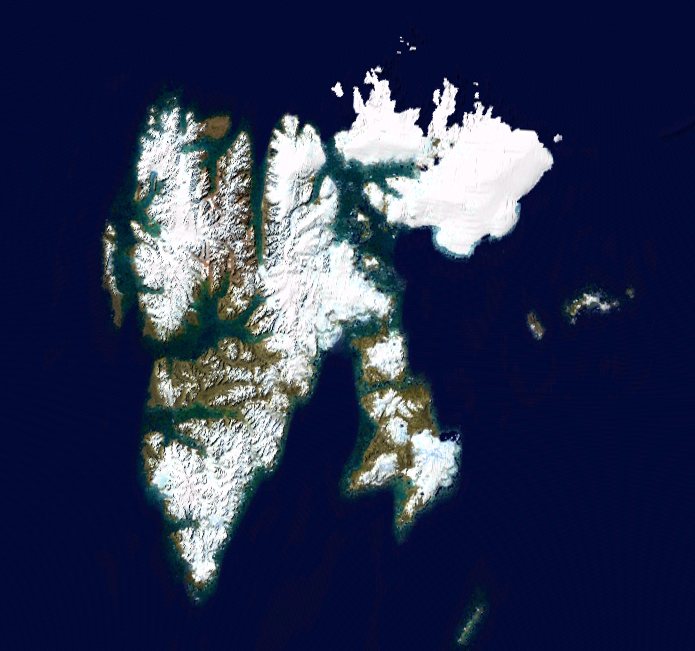
Residents of Longyearbyen, the main settlement on the Svalbard archipelago, have been warned not to use tap water after heavy metals were detected in the supply. The contamination is being linked to thawing permafrost, the permanently frozen ground whose gradual melting is reshaping the Arctic environment and, in this case, reaching into the water that people rely on every day.
The alert affects daily life in one of the world's northernmost communities, where access to clean drinking water is not a distant environmental concern but an immediate practical question. Local authorities have advised people against using water from the tap, and the discovery has focused attention on how a warming climate can carry pollutants from the ground into the systems that supply homes.
Permafrost acts as a kind of storage layer in the Arctic, holding material in place for long periods. When it thaws, that material can move with meltwater and enter groundwater and surface supplies. The presence of heavy metals in Longyearbyen's water points to this mechanism, in which the ground itself becomes a source of contamination as temperatures rise.
The situation in Svalbard reflects a wider pattern across the Arctic, where thawing ground is changing landscapes, infrastructure and the conditions of everyday life. For a settlement like Longyearbyen, the consequences are concrete: a basic resource such as drinking water becomes a subject of public health warnings and scientific scrutiny.
The warning also raises questions about how communities in the far north monitor and protect their water supplies as the climate shifts. Heavy metals can pose health risks depending on exposure, and the advice against using tap water shows how quickly an environmental change can translate into a public safety measure.
Longyearbyen's residents now face the practical task of finding alternative water while authorities assess the extent of the contamination. The episode underlines that climate change in the Arctic is not only a matter of ice, wildlife or distant projections, but of the ground beneath settlements and the water that flows through it.
4