Trump's party loses US midterm elections, raising questions for Europe
Donald Trump's Republican Party has lost the US midterm elections, a result that European capitals are now weighing for its consequences on Iran, energy and the war in Ukraine.
Donald Trump's party has lost the United States midterm elections, a setback that Europe is now assessing for its consequences on Iran, energy supplies and the war in Ukraine. The result reshapes the political balance in Washington for the final two years of Trump's term and raises questions in European capitals about how far American policy will shift.
Trump has said he will accept the outcome. Commentators cited in the reporting doubt that he will do so willingly. The coming period is widely expected to be a lame-duck phase, in which a president who no longer faces voters in the same way must govern alongside a Congress that is now divided. The scope of his future veto power under this arrangement remains unclear.
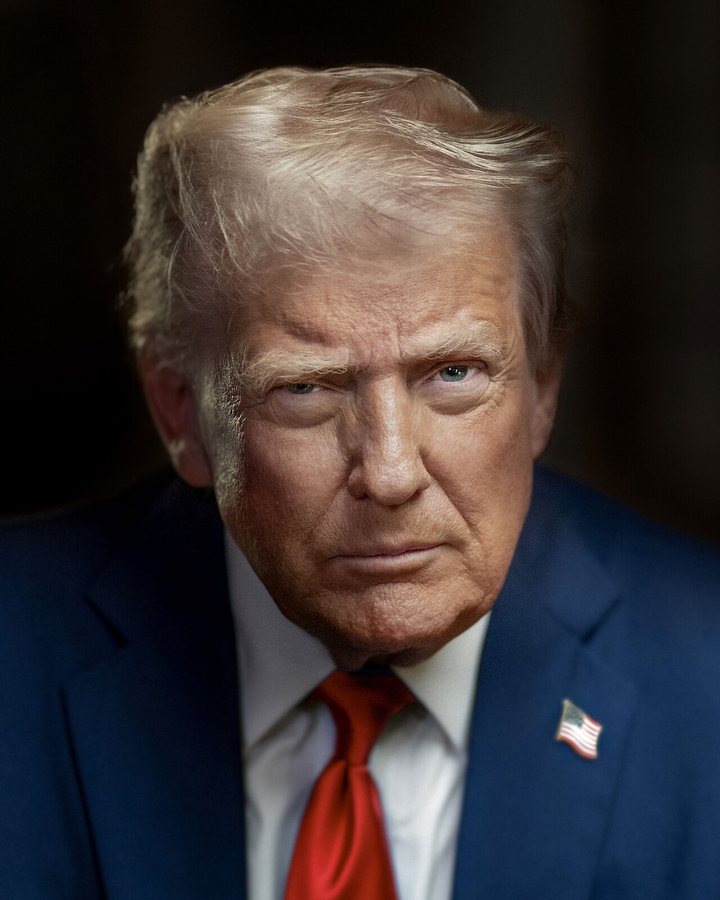
Reporting describes Trump attacking the result on his Truth Social platform, where he has been calling himself "Mr. Veto". According to the account, he ignored warning signs from moderates in his own camp before the vote. The White House published a photograph the morning after the defeat, a move that was noted in coverage of the aftermath.
Analysts quoted in the sources see two possible directions. Trump could seek deals with the Democrats who now hold influence in Congress, or he could try to project himself as a peacemaker. The reporting says it is not yet clear whether he will pursue negotiation or open confrontation with the legislature. Historically, losing a midterm does not always translate into losing the next presidential race, a point the sources underline in cautioning against firm predictions.
For Europe, the headline concerns are three: Iran policy and its implications for the continent, the energy question, and the Ukraine war together with the extent of continued US support. Each is affected by how Washington's internal balance now works. A divided Congress could constrain or redirect executive action, but the sources do not establish what that will mean in practice for any of these files.
The verified picture is therefore one of a defeat with an open future. The election has changed the arithmetic in Washington, yet the direction of American foreign and energy policy over the next two years depends on choices that have not yet been made. European governments are watching for signals, while the sources leave the outcome of those choices unresolved.
Source: adnkronos.com
4