Ukraine Ratifies Free Trade Agreement with Turkey After Four-Year Delay
The Verkhovna Rada ratified the free trade agreement with Turkey, signed in February 2022 but delayed due to the full-scale war. The deal opens markets for industrial and agricultural goods, though some Ukrainian industries may face challenges.
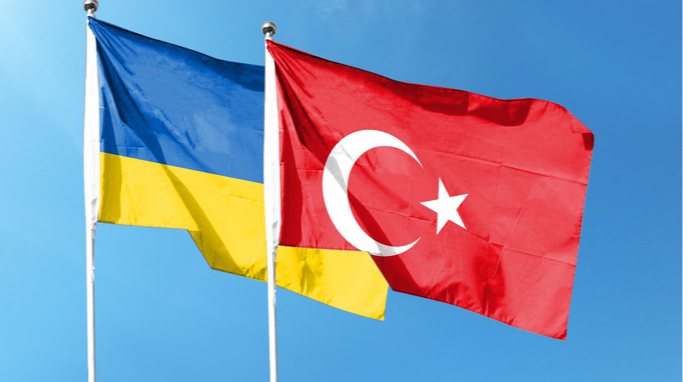
The Verkhovna Rada of Ukraine ratified the free trade agreement with Turkey on July 14, 2026, more than four years after the document was signed in Kyiv on February 3, 2022. The ratification, delayed by the onset of Russia's full-scale invasion just weeks after the signing, marks a significant step in bilateral economic relations. The agreement aims to boost trade volumes and integrate Ukraine into regional supply chains, though it has sparked debate over its potential impact on domestic industries.
Under the terms of the deal, Turkey will eliminate tariffs on over 93% of Ukrainian industrial goods and nearly 8% of agricultural products, with gradual expansion to additional categories in the coming years. In return, Ukraine will phase out duties on more than half of Turkish industrial goods and about one-tenth of agricultural products, with implementation periods ranging from two to ten years. The agreement also incorporates the updated Pan-Euro-Mediterranean preferential rules of origin, allowing Ukrainian producers to use Turkish materials and components while maintaining preferential access to European Union markets.
Deputy Prime Minister Taras Kachka emphasized the strategic importance of the ratification, stating that Ukrainian businesses now have time and opportunity to explore one of the region's largest markets. He noted that currently 77% of Ukraine's exports to Turkey consist of grains and sunflower oil—mostly raw materials that Turkey processes domestically. The agreement removes barriers for processed products such as food items, feed concentrates, and deeper-processed oil products, creating incentives to invest in processing capacity within Ukraine. Kachka also highlighted the European dimension, as the deal aligns with Ukraine's integration into EU trade frameworks.
However, the agreement has drawn criticism from some lawmakers. Dmytro Kysylevskyi, deputy head of the parliamentary committee on economic development, argued that the deal is economically more favorable to Turkey than to Ukraine. He warned that light industry, as well as producers of transport vehicles, cement, fertilizers, construction materials, elevators, and electrical equipment, could face significant pressure. According to his estimates, ratification could cost Ukraine approximately 1.5% of GDP in the medium term. Kysylevskyi called for compensatory mechanisms, including subsidies for machinery and tax compensation for capital expenditures, to support affected sectors.
The agreement was originally signed by Presidents Volodymyr Zelenskyy and Recep Tayyip Erdoğan in Kyiv on February 3, 2022, with then-Prime Minister Denys Shmyhal calling it a historic event that Ukraine had pursued for nearly two decades. It was the third free trade deal Ukraine had concluded in two years, following agreements with the United Kingdom and Israel. The parties aimed to increase bilateral trade turnover to $10 billion. However, Russia's full-scale invasion began three weeks later, postponing ratification indefinitely.
In December 2023, Turkish officials publicly noted that the agreement remained unratified due to the war, even as Turkey had become one of Ukraine's top three trading partners. The Ukrainian government only submitted the ratification bill to parliament in May 2024. Turkey ratified the agreement on August 2, 2024. In spring 2025, President Zelenskyy expressed readiness to ratify the document during a future visit by President Erdoğan, and the Rada finally voted on it in July 2026.
The ratification completes the internal procedures necessary for the agreement to enter into force. Supporters argue that it will strengthen Ukraine's export capacity and integration into European and regional markets, while critics urge the government to implement safeguards for vulnerable industries. The debate reflects broader tensions between the benefits of trade liberalization and the need to protect domestic production during wartime.
109