Ukraine Updates Rules for Temporary Housing of Internally Displaced Persons
The Ukrainian government has updated regulations for temporary housing for internally displaced persons, introducing mandatory inspections, six-month contracts, and new grounds for eviction, including failure to seek employment for three months.
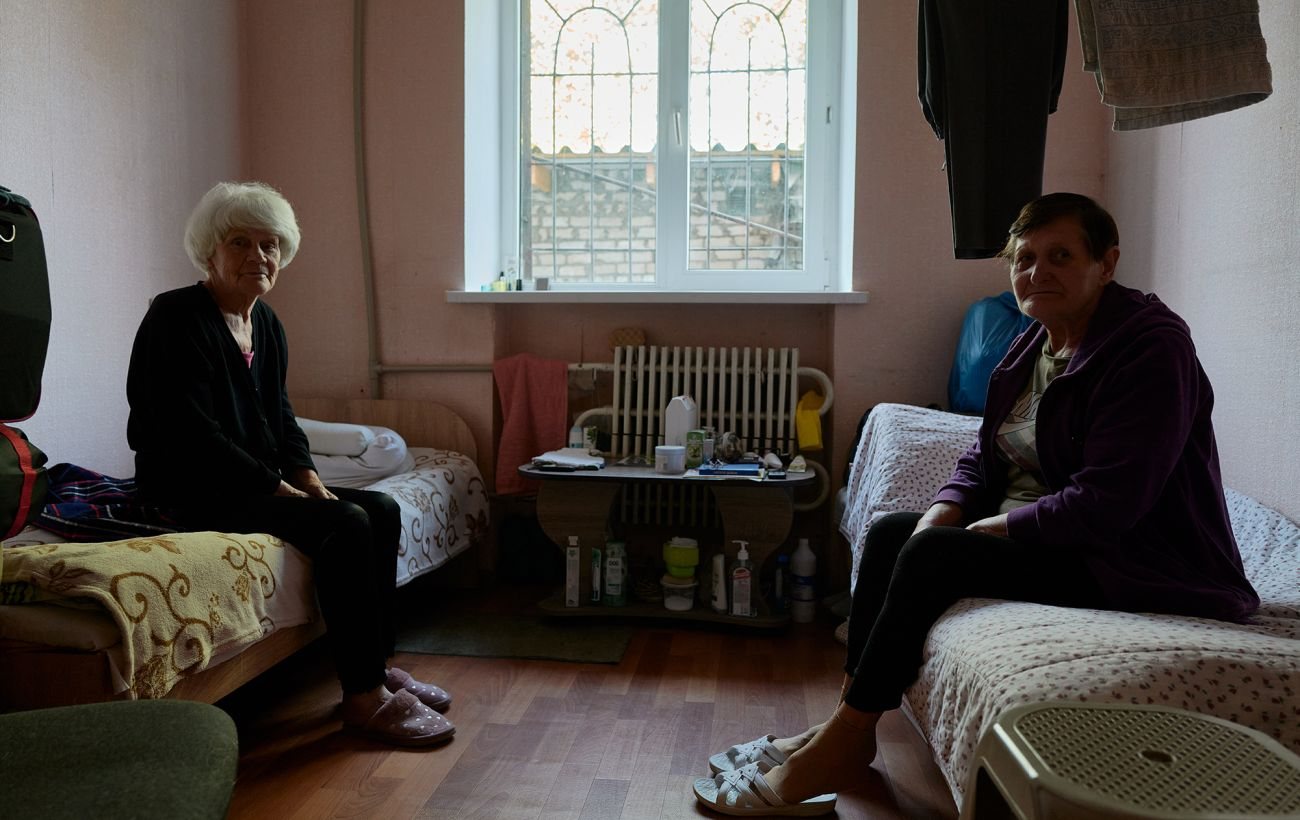
The Ukrainian government has introduced significant changes to the rules governing temporary housing for internally displaced persons (IDPs), tightening conditions for residence and establishing clearer grounds for eviction. The updated regulations, approved by Cabinet of Ministers Resolution No. 728, aim to improve the management and monitoring of temporary accommodation sites while ensuring that housing is allocated to those most in need.
Under the new rules, all temporary housing facilities must undergo mandatory inspections before being added to the official list of accommodation sites. These checks are designed to verify that the housing meets minimum living standards. Monitoring of living conditions may now involve representatives from state authorities, international organizations, civil society groups, and IDPs themselves, with their consent. Inspection results will be shared with facility managers, property owners, and the Ministry of Social Policy to address any violations promptly.
Residence in temporary housing will be formalized through a contract, which must be signed no later than the day of moving in. If a person lacks necessary documents, they have up to 90 days to complete the paperwork. During martial law, digital documents such as e-passports, foreign e-passports, or the eDocument in the Diia app are accepted for registration. Contracts are valid for six months and can be extended, subject to compliance with the terms.
The new regulations specify several grounds for eviction from temporary housing. These include systematic violation of contract terms, provision of false information, ownership of other housing, absence from the accommodation for more than 60 days without a valid reason, and removal of the facility from the official list of temporary housing sites. A particularly notable provision targets working-age IDPs who are not employed: if a person fails to find a job, register as unemployed, or take other steps toward employment within three months of signing the contract, this may serve as a basis for terminating the agreement. After the right to housing ends, residents must vacate the premises within 15 days, unless the contract states otherwise.
Priority for accommodation and contract renewal is given to specific vulnerable groups. These include large families, families with children, war veterans and combatants, families of fallen defenders, persons with disabilities, pregnant women, the elderly, and IDPs whose homes were destroyed or damaged. Facility administrators are required to notify residents of any relocation at least four weeks in advance, except in emergencies or when the building becomes uninhabitable.
The housing crisis for IDPs in Ukraine remains severe. According to estimates, more than 6 million people have been forced to leave their homes due to the war, and for many, the question of where to live remains unresolved years later. The rental market, which absorbed millions of people simultaneously, has seen no regulation of prices or tenant protections. State support programs, including compensation payments, subsidized mortgages under the eOselia program, and vouchers for destroyed or occupied housing, have been criticized as fragmented and insufficient to address the complex needs of displaced families.
In addition to the updated housing rules, the government recently launched a pilot project for social housing for IDPs, under which local communities will purchase vacant houses and transfer them to displaced persons. The Verkhovna Rada also passed draft law No. 12301, which comprehensively updates IDP legislation, allowing displaced persons to exercise their rights regardless of whether they are formally registered. Thousands of IDP families may also face challenges in receiving child benefits if they obtained IDP status in 2014 but did not relocate again after the full-scale invasion.
The new regulations reflect an effort to balance the need for shelter with accountability, ensuring that temporary housing is used efficiently and reaches those who need it most. However, advocates warn that without systemic solutions to the broader housing shortage, many IDPs will continue to face uncertainty and precarious living conditions.
80