Ukrainian Parliament Committee Approves Resignation of First Deputy Prime Minister Svyrydenko
The Verkhovna Rada committee on state building has approved the resignation of Yulia Svyrydenko as First Deputy Prime Minister of Ukraine, citing President Zelenskyy's desire to refresh the government and strengthen social and educational policies.
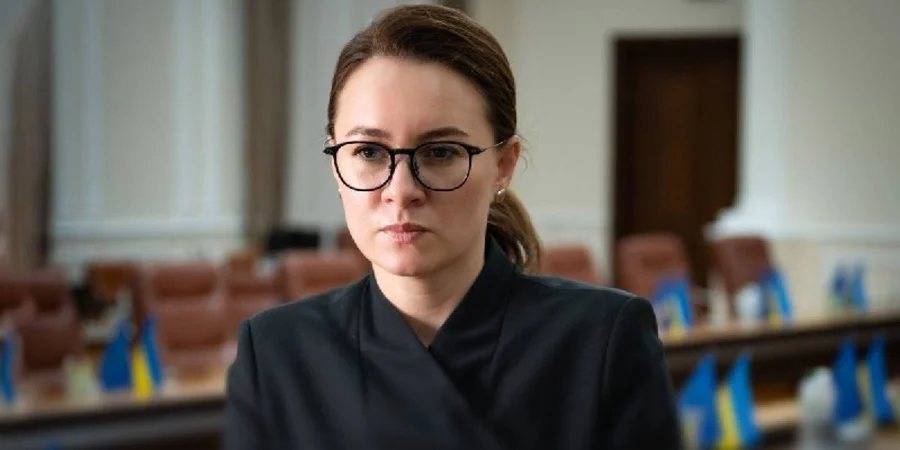
The Verkhovna Rada Committee on State Building has approved the resignation of Yulia Svyrydenko from her position as First Deputy Prime Minister of Ukraine, marking a significant step in a broader government reshuffle initiated by President Volodymyr Zelenskyy. The decision was announced following a committee meeting where Svyrydenko personally explained the reasons behind her departure.
Svyrydenko stated that President Zelenskyy aims to renew the composition of the Cabinet of Ministers and reinforce specific policy areas, particularly social welfare and education. She emphasized that the reshuffle is intended to bring fresh energy and expertise to the government as Ukraine continues to face the challenges of war and post-war reconstruction. The move is part of a larger effort to optimize the executive branch's effectiveness during a critical period for the country.
During the committee session, Svyrydenko elaborated on the need to strengthen social protection programs and educational reforms, which she identified as key priorities for the renewed government. She noted that the president's vision includes appointing officials with specialized experience to drive progress in these sectors. The committee members, after hearing her statement, voted in favor of accepting her resignation, paving the way for a formal vote in the full parliament.
The resignation of Svyrydenko, who has served as First Deputy Prime Minister since 2021, comes amid a series of personnel changes in the Ukrainian government. Over the past months, several ministers and senior officials have been replaced or have stepped down as part of Zelenskyy's strategy to enhance governance efficiency and accountability. The president has repeatedly stressed the importance of having a team capable of addressing both immediate wartime needs and long-term development goals.
Political analysts in Kyiv view the reshuffle as a response to public demands for more effective management of state resources and social services, especially in the context of the ongoing war with Russia. The conflict has placed immense strain on Ukraine's social safety net and education system, with millions of internally displaced persons and damaged infrastructure requiring urgent attention. The government has been under pressure to deliver tangible improvements in these areas despite limited budgetary resources.
Svyrydenko's departure is expected to be followed by the appointment of a successor who will focus on social policy and education. The president's office has not yet announced a candidate, but speculation suggests that the new appointee may come from a background in social services or educational administration. The parliamentary approval process for the resignation is likely to proceed smoothly, given the committee's endorsement and the ruling party's majority in the Verkhovna Rada.
The committee's decision also reflects broader trends in Ukrainian politics, where the executive branch is undergoing periodic evaluations to ensure alignment with national priorities. Since the start of the full-scale invasion in February 2022, the government has operated under martial law, which has allowed for streamlined decision-making but also heightened scrutiny of official performance. Zelenskyy has used his constitutional authority to propose changes to the cabinet, subject to parliamentary approval, as a tool to maintain public trust and operational effectiveness.
In her public remarks, Svyrydenko expressed gratitude for the opportunity to serve and acknowledged the challenges faced by the government during her tenure. She highlighted achievements in coordinating international aid and implementing social support programs for vulnerable populations, including pensioners, low-income families, and war veterans. However, she conceded that more work is needed to address systemic issues in education and social protection, which she believes require a renewed focus under new leadership.
The full parliament is expected to vote on Svyrydenko's resignation in the coming days. If approved, it will mark the end of her role as First Deputy Prime Minister, though she may continue to serve in other capacities within the government or state institutions. The reshuffle is part of a broader pattern of cabinet adjustments that have occurred periodically since the invasion, as Ukraine seeks to adapt its governance structures to evolving circumstances.
Observers note that the timing of the resignation aligns with the president's stated goal of preparing the government for post-war reconstruction and European integration. Strengthening social and educational sectors is seen as crucial for building human capital and ensuring long-term stability. The committee's approval of the resignation signals that the political establishment supports the president's vision for a more dynamic and responsive cabinet.
76