Supreme Court signals sympathy for Catholic preschools excluded from Colorado program
The US Supreme Court heard arguments in a case brought by Catholic preschools that were barred from Colorado's universal preschool program over their admissions policies.
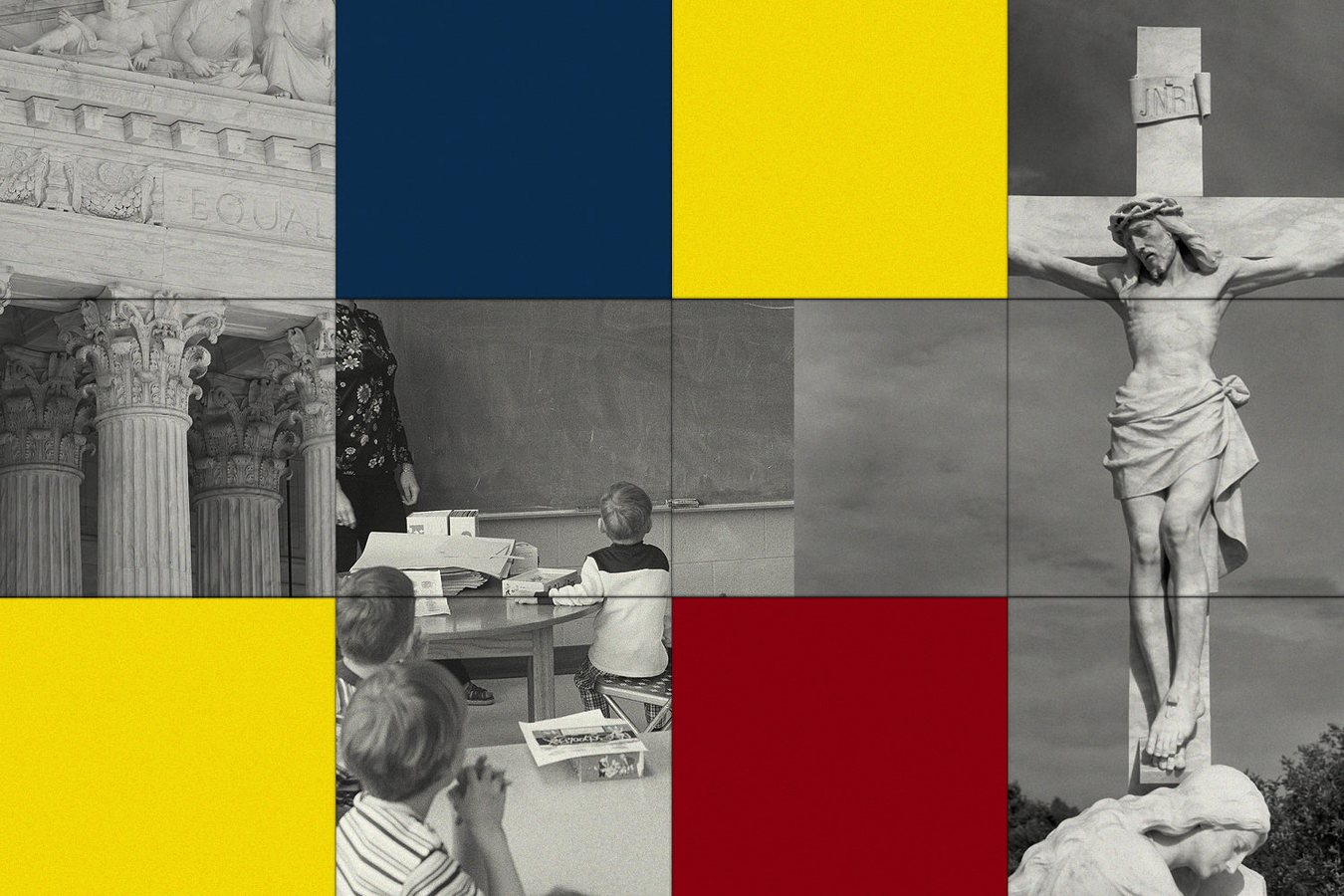
The US Supreme Court appeared receptive to a Catholic plea to take part in Colorado's state-funded universal preschool program, a case that tests how far states may condition public money on admissions policies tied to sexual orientation and gender identity. Justices heard arguments in a dispute in which Catholic schools say they are being shut out of the program because of their religious beliefs.
Colorado bars entities from participating in its universal preschool program if they refuse admission to children based on the sexual orientation or gender identity of the child or parents. Catholic providers that decline to admit such children have argued that this rule penalises them for their faith and effectively excludes them from a publicly funded option that other families can use. The rule applies to the state program as a whole, so a provider that cannot meet it has no route into the funding stream, whatever its quality of instruction or its place in a local community.
Denver Archbishop James Golka has argued that the program unfairly leaves Catholic schools out, forcing families who choose them to pay fees that other parents can cover with state funding. In the archbishop's account, the result is a financial barrier that falls on parents who want a faith-based education for their children, rather than a neutral choice among schools. He has urged prayers as the high court took up the case, presenting the dispute as one about parental choice and the ability of faith-based schools to remain in public programs without abandoning their teaching.
The hearing drew attention to the legal tension at its centre: a state's interest in preventing discrimination against families on the basis of sexual orientation or gender identity, set against the claim of religious institutions to act on their doctrinal convictions. Reporting on the arguments indicated that several justices seemed sympathetic to the Catholic position, although no ruling has yet been issued. Commentators following the case have noted that the outcome could shape how other states design early-education programs that rely on private providers.
The case reaches the court at a time when questions about religious liberty, anti-discrimination rules and government funding for faith-based institutions remain contested across the country. A decision is expected later in the court's term. Until then, Catholic preschools in Colorado remain outside the program, and families who wish to send their children to them continue to bear the cost themselves.
Source: nbcnews.com
2