UN Climate Summit COP31 Opens in Antalya Amid Warnings on Targets
The UN climate summit COP31 begins on Monday in Antalya, Türkiye. Amid record damage from extreme weather and rising emissions, pressure is growing to still limit global warming.
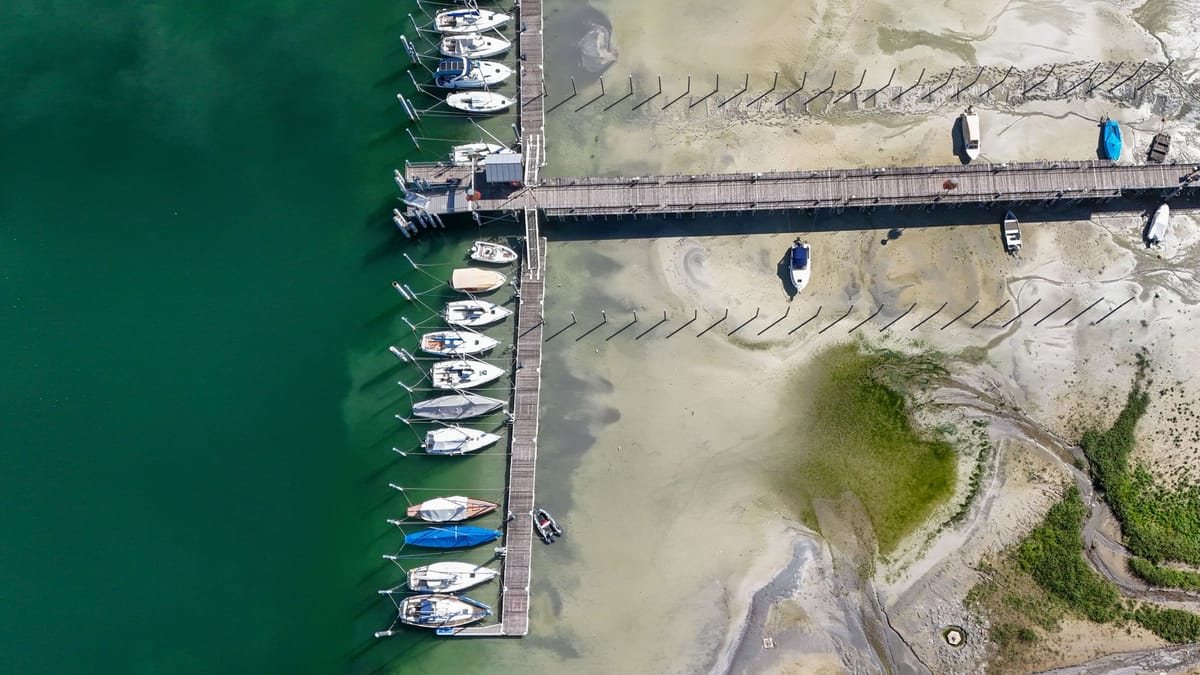
The UN climate summit COP31 begins on Monday in Antalya, Türkiye, and is set to last two weeks. Tens of thousands of delegates are expected. The central question is whether the world can still keep its commitments under the Paris Climate Agreement, which has been in force for ten years and aims to limit global warming to 1.5 degrees.
The starting point is sobering. The United Nations expects that current policies will lead to warming of around 2.8 degrees by the end of the century. Greenhouse gas emissions are also still rising instead of falling. According to the available data, 2026 was marked by record climate-related damage: forest fires in Europe, deadly heat and drought in Germany, and floods in Nepal and China.
Johan Rockström, Director of the Potsdam Institute, warns of a path that can no longer be controlled, but sees a window of opportunity still open. Experts therefore call for an emergency mode, which includes, among other things, a halt to new investments in fossil energy. At the same time, budget problems and democratic tensions are pushing climate issues further down the political agenda in many countries. The United States under Donald Trump has left the Paris Agreement.
Türkiye proposes raising the share of electrification in final energy consumption from 20 to 35 percent by 2035. Germany supports this proposal. Critics stress, however, that this would mainly require renewable electricity. Türkiye and Australia are sharing the host role: Türkiye holds the presidency, while Australia leads the negotiations. This division is new, and skeptics fear coordination problems.
The organization Amnesty International reports an intensifying crackdown on journalists, activists and LGBTIQ people in Türkiye. From the perspective of human rights advocates, the host country is therefore also under scrutiny.
Germany is also under criticism. According to experts, the federal government is likely to miss its emission reduction targets for 2030 and 2040. Germany has pledged to provide six billion euros per year to poorer countries. Of this, 4.7 billion euros was paid last year. Chancellor Friedrich Merz says he will not travel to Antalya due to other commitments, which activists criticized. Fridays for Future plans a nationwide climate strike on 13 November.
China is the world's largest emitter. The country is pushing ahead with expanding renewable energy, but at the same time continues to rely on coal. According to available information, Saudi Arabia has repeatedly blocked ambitious decisions at the summit. While politics hesitates, markets are moving faster: wind and solar power are increasingly among the cheapest sources of electricity.
Source: t-online.de
4