June Heatwave Causes €2.1 Billion in Grain Crop Losses Across Europe
A record-breaking June heatwave in Western Europe has reduced grain harvest forecasts by nearly 9 million tonnes, with losses estimated at €2.1 billion, potentially increasing EU imports from Ukraine and Brazil.
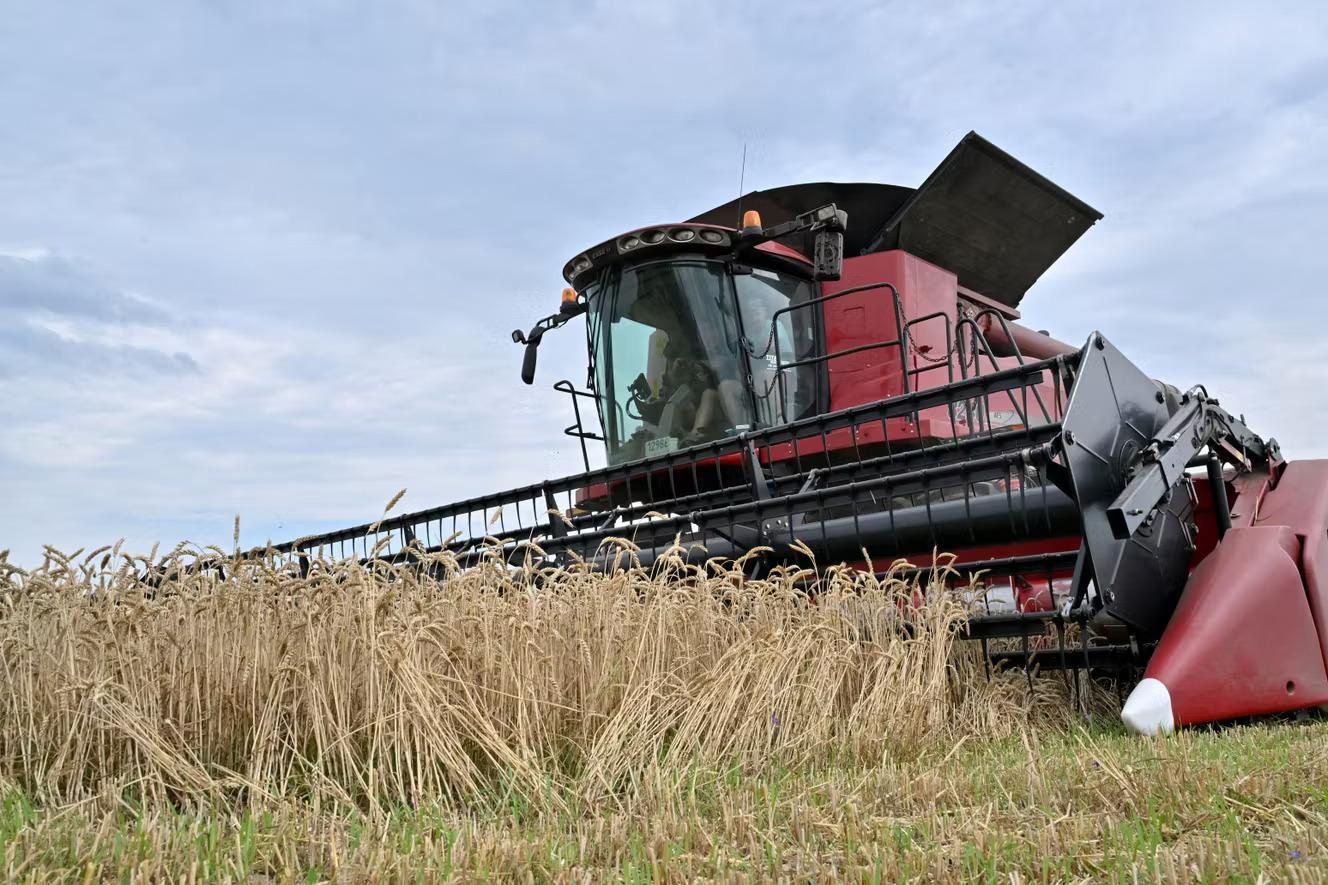
A severe June heatwave has slashed grain harvest forecasts across the European Union and the United Kingdom by nearly 9 million tonnes, causing an estimated €2.1 billion in losses, according to a report from the Financial Times citing the European grain traders' association Coceral and the Energy and Climate Intelligence Unit. The extreme temperatures, which made June the hottest on record for Western Europe according to the Copernicus climate monitoring service, have particularly damaged corn and wheat crops, with significant implications for livestock feed costs and global trade flows.
About half of the total reduction is attributed to corn, which is primarily used as animal feed. Coceral lowered its corn harvest forecast for the EU and the UK from 57.2 million tonnes to 52.7 million tonnes. The hardest-hit regions are France and Hungary, where the heatwave coincided with the critical pollination period for corn. In France, the overall grain harvest forecast was cut by 4.1 million tonnes, representing an estimated loss of €891 million. Corn production alone was reduced by 3.35 million tonnes to 9.4 million tonnes—a figure lower than what France harvested during the severe drought of 2022. Hungary saw its forecast reduced by 2.4 million tonnes, worth approximately €444 million.
Spain and Germany each experienced forecast reductions of about 1.4 million tonnes, with losses valued at €276 million and €233 million respectively. The heatwave also affected wheat during the grain formation stage in central and southern France, southern Germany, Austria, Poland, and Hungary. Spring barley suffered more than winter barley, which had already developed before the temperature spike. The Copernicus data shows that average temperatures in Western Europe in June exceeded the 1991–2020 norm by 3.06 degrees Celsius, marking an unprecedented climatic event for the region.
The reduced harvest is expected to have cascading effects on European agriculture and trade. In years of poor harvests, the EU becomes a net importer of corn, and the current shortfall could lead to increased imports from Ukraine and Brazil. Higher feed costs are likely to impact livestock farmers in the coming months. Additionally, the drop in French wheat production may reduce exports to North and West African countries, which rely heavily on French grain. Hungarian farmers face a particularly difficult situation, as domestic purchase prices have already fallen due to cheaper grain from the Black Sea region before the harvest even began.
While the overall losses are substantial, some compensation may come from higher prices for the remaining harvest. Furthermore, improved forecasts for Bulgaria, Romania, Italy, and Finland have partially offset the damage, reducing the net loss in expected crop value across Europe to approximately €1.79 billion. The heatwave's impact underscores the vulnerability of European agriculture to extreme weather events linked to climate change, with potential long-term consequences for food security and market stability. As the EU grapples with these challenges, the need for adaptive strategies in farming and trade policy becomes increasingly urgent.
97