National Science Foundation Diverted $1.4 Billion in Research Funds Mandated by Congress
The National Science Foundation redirected $1.4 billion in research money mandated by Congress, with some divisions withdrawing proposals to comply with White House guidance to carry over funds.
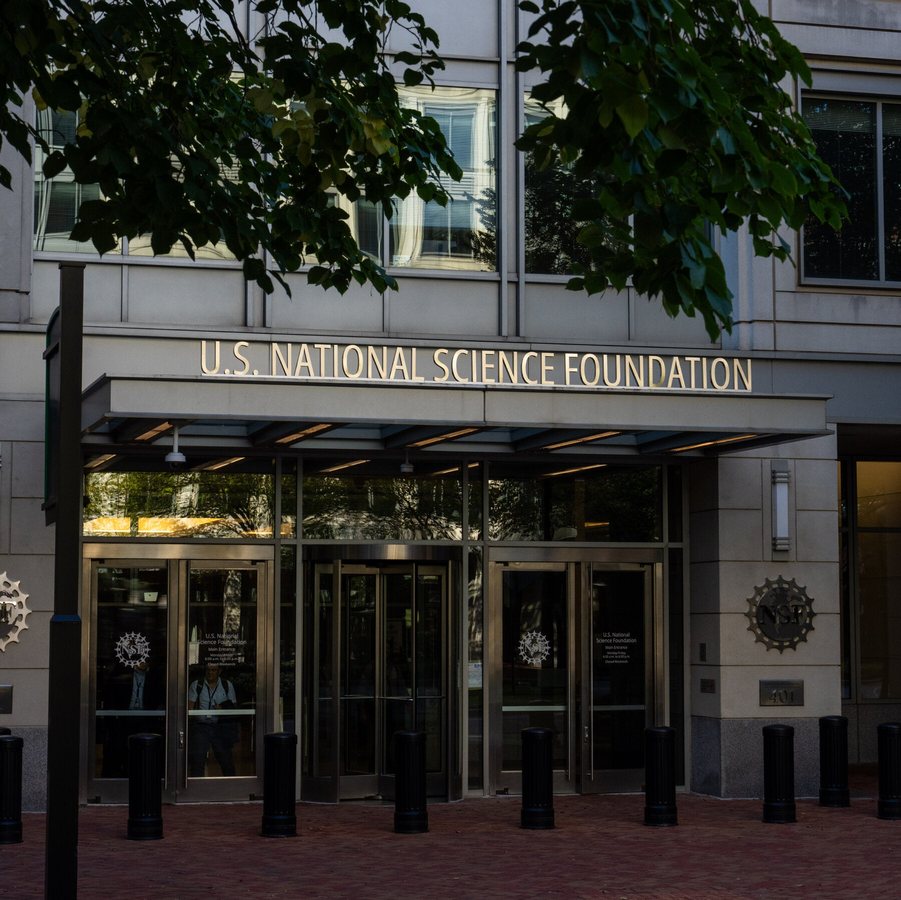
The National Science Foundation has diverted $1.4 billion in research funding that Congress had mandated for scientific programs, according to a report on the agency's budget practices. The shift involved pulling back research proposals across some NSF divisions so the agency could comply with White House guidance to carry over unspent funds rather than disburse them in the fiscal year for which they were appropriated.
The carryover maneuver effectively moved money away from the research grants and programs lawmakers had designated, redirecting it toward a budget reserve that aligns with the administration's spending priorities. The NSF, which funds basic research in fields ranging from physics and biology to computing and climate science, is one of the primary federal engines of American scientific discovery. Its grantmaking supports university laboratories, early-career researchers, and large-scale facilities that often depend on multi-year federal commitments.
According to the report, some NSF divisions responded to the White House guidance by withdrawing or declining to advance research proposals that had been expected to move forward. That step reduced the volume of new awards in those areas, leaving scientists and institutions uncertain about the status of projects already in the pipeline. The $1.4 billion figure represents a substantial share of the agency's discretionary research budget and raises questions about how the foundation will meet congressional directives in the current and coming fiscal years.
The tension between the White House and Congress over federal science spending is not new, but the scale of the carryover described here is notable. Congress appropriates funds for specific research accounts, and agencies are generally expected to spend those funds on the purposes lawmakers set out. When an agency holds back appropriated money, it can delay or cancel the research that legislators intended to support, affecting universities, national laboratories, and the students and staff who rely on grant funding.
For the scientific community, the practical consequences could include fewer new grants, slower progress on long-term projects, and a chill on proposal submissions in divisions where researchers believe funding is unlikely to materialize. Early-career scientists are often the most exposed, since they depend on a steady flow of federal awards to establish their laboratories and retain postdoctoral staff. Institutions that have already incurred costs in anticipation of NSF support may also face budget shortfalls.
The NSF has not publicly detailed which divisions were most affected or how many proposals were withdrawn. The agency's stated mission is to promote the progress of science, advance national health and prosperity, and secure the national defense, and its budget decisions carry weight well beyond individual laboratories. Observers of federal science policy will be watching whether Congress responds with oversight hearings, legislation to restrict carryover authority, or adjustments in the next appropriations cycle.
The episode also touches on broader questions about how executive branch guidance interacts with congressional appropriations power. When agencies prioritize carryover over spending, they can effectively reshape research priorities without a direct vote in Congress. That dynamic has drawn scrutiny from lawmakers in both parties who argue that appropriated science funds should be spent as directed, particularly at a time when global competitors are increasing their own research investments.
For now, the $1.4 billion carryover stands as a significant reallocation of federal research money, one that leaves the NSF's grantmaking pipeline narrower than Congress intended and leaves researchers waiting to see how the agency's next funding rounds unfold.
7