Both Parties File Wave of Lawsuits Ahead of Post-Election Challenges
Scores of lawsuits from Democrats, Republicans and their allies reveal the likely legal battle lines for post-election challenges, with Michigan among the key battlegrounds.
Democrats, Republicans and their allied groups have filed scores of lawsuits in the run-up to the midterm elections, a wave of litigation that signals how both parties are preparing for legal fights over results, procedures and the counting of ballots once voting ends.
The filings reveal the likely battle lines for post-election challenges, with the two major parties positioning themselves to contest everything from voter eligibility and mail-ballot deadlines to the rules governing how votes are certified. The volume of cases suggests that the courtroom, rather than the campaign trail alone, will shape the outcome in close races.
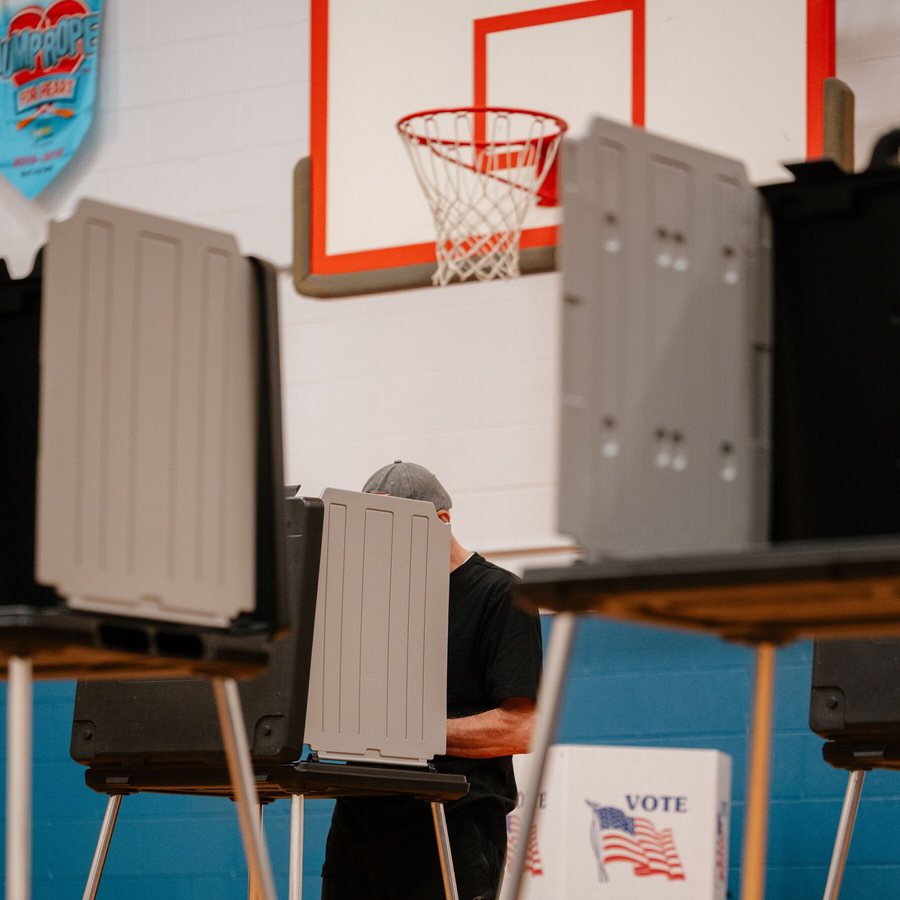
Michigan has emerged as a focal point of the pre-election legal activity. A voter was photographed casting a ballot at Miller Elementary School in Dearborn during the state's primary in August, an image that captures the ordinary mechanics of voting that the lawsuits now seek to regulate. The state, which has been central to recent national elections, is among the jurisdictions where both parties have invested heavily in legal preparations.
The lawsuits span a range of disputes. Some challenge the administration of elections at the local level, including how officials process absentee and mail-in ballots. Others target state laws and rules on registration, identification and the timelines for counting and certifying results. The cumulative effect is a legal landscape that could produce conflicting court rulings in different jurisdictions, complicating the path to a final result.
Both parties say their filings are intended to protect the integrity of the vote and to ensure that valid ballots are counted. Critics, however, warn that the sheer number of cases could erode public confidence and create openings for prolonged disputes after Election Day. The litigation also raises the prospect that courts, rather than voters alone, will determine the outcome in races decided by narrow margins.
The timing of the filings is significant. By bringing cases before voting concludes, the parties aim to establish legal precedents and to resolve procedural questions in advance, rather than in the chaotic days and weeks after polls close. That strategy reflects lessons from recent elections, when post-election litigation became a central feature of the contest.
Legal experts note that the cases are not evenly distributed. They cluster in states and counties where the margin between the parties is expected to be thin, and where the rules governing ballots and certification are most likely to be contested. The result is a map of legal vulnerability that both parties have studied closely.
For voters, the practical effect may be confusion. Rules on registration, identification and ballot deadlines can vary not only between states but also between counties, and court rulings issued close to Election Day can change those rules at short notice. Election officials have warned that late-breaking decisions can strain resources and create uncertainty for voters and administrators alike.
The broader significance extends beyond any single race. The wave of lawsuits reflects a deepening reliance on the courts as a venue for resolving political disputes, a trend that has grown in recent election cycles. How the cases are resolved — and how quickly — could shape not only the immediate results but also public trust in the electoral process itself.
With the election approaching, both parties are expected to continue filing and defending cases. The legal maneuvering is likely to intensify as voting begins and as the first results come in, setting the stage for a post-election period in which judges may play as decisive a role as candidates and campaigners.
10