UN talks on autonomous weapons resume in Geneva amid AI concerns
Diplomats gather in Geneva for UN discussions on fully autonomous weapons systems, as the international community seeks rules for military AI capable of making bombardment decisions in moments.
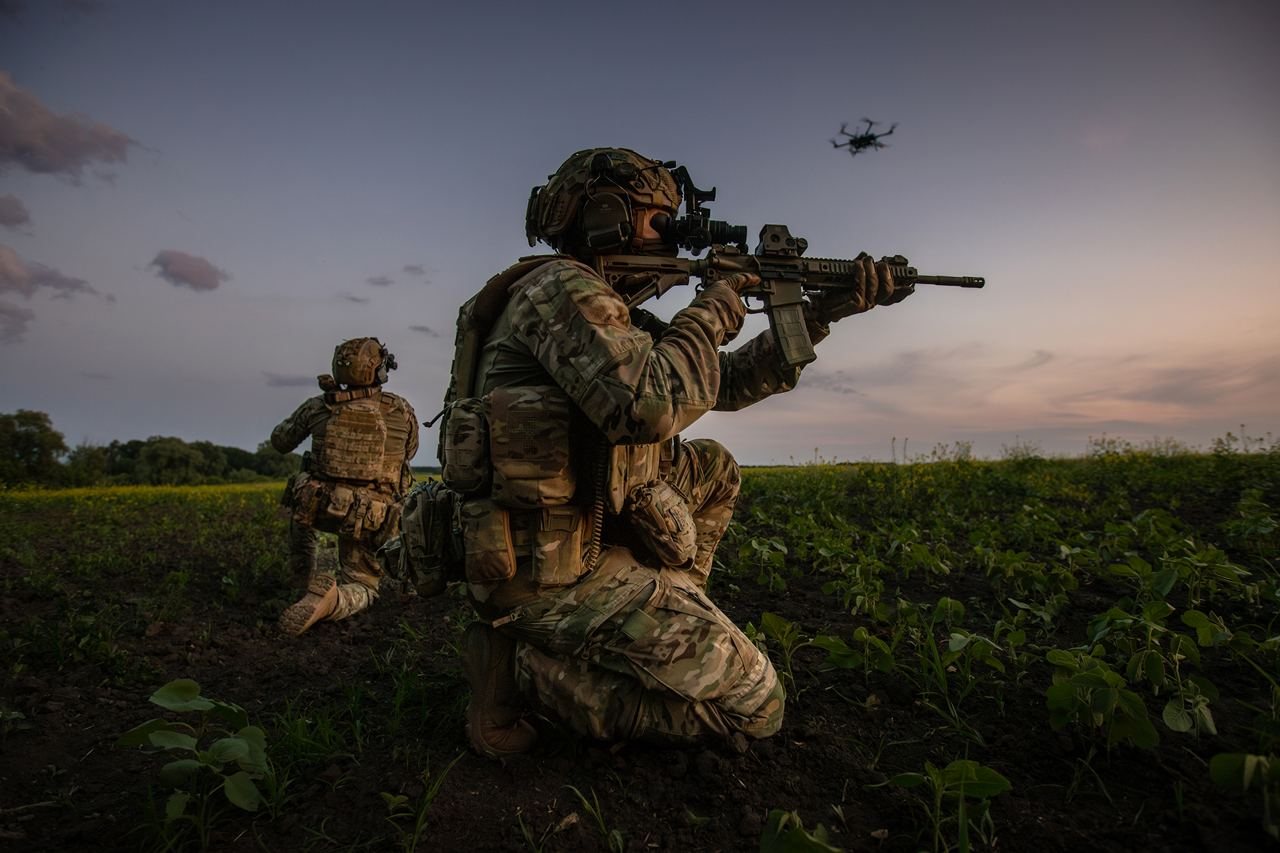
Diplomats from around the world are convening in Geneva this week for a new round of United Nations talks on fully autonomous weapons systems, a category of military technology that UN officials say raises profound ethical and legal questions. The discussions come as advances in artificial intelligence have made it possible for machines to identify targets and make decisions about the use of force with minimal human involvement, a prospect that has alarmed humanitarian organizations and several member states.
At the heart of the negotiations is the question of how to regulate so-called killer robots, a term used by campaigners and UN officials to describe weapons that can select and engage targets without meaningful human control. While the technology is still in various stages of development, experts point to the growing use of drones and other platforms equipped with AI-assisted targeting systems as a sign that the era of autonomous warfare is approaching faster than international law can adapt.
The UN has long called for new rules to govern these systems, warning that the speed of AI-driven decision-making could outpace human judgment in conflict situations. Delegates are expected to discuss proposals ranging from a complete ban on fully autonomous weapons to more limited restrictions that would require human oversight of any lethal action. The talks in Geneva are part of a broader diplomatic effort that has been underway for years, though progress has been slow due to disagreements among major military powers.
Supporters of strict regulation argue that allowing machines to make life-and-death decisions violates fundamental principles of international humanitarian law, particularly the requirement that combatants distinguish between civilians and fighters. They also point to the risk of accidental escalation, as AI systems could misinterpret data or act in unpredictable ways in complex battlefield environments. Several countries, including Austria and Brazil, have pushed for a legally binding treaty that would prohibit autonomous weapons outright.
Opponents, however, contend that autonomous systems could actually reduce civilian casualties by making targeting more precise and removing human error from the equation. Military officials in some nations have expressed interest in AI-powered weapons as a way to maintain strategic advantages, and they caution against overly restrictive rules that could hinder technological development. The United States, Russia, and China have all invested heavily in military AI research, though their public positions on regulation have varied.
The Geneva talks are part of the Convention on Certain Conventional Weapons, a framework that has historically been used to address emerging weapons technologies. Previous rounds of discussion have produced a set of guiding principles, but they are not legally binding, and campaigners have criticized the pace of negotiations as too slow given the speed of technological change. Human Rights Watch and other organizations have called on states to begin formal treaty negotiations without further delay.
Observers note that the outcome of this week's talks is unlikely to produce a final agreement, but the meetings serve as an important forum for building consensus and clarifying national positions. The issue has also gained attention beyond diplomatic circles, with religious leaders and ethicists weighing in on the moral implications of delegating lethal decisions to machines. For many faith communities, the question touches on deeper concerns about human dignity and the sanctity of life in an age of rapid technological transformation.
As the discussions unfold, the broader public debate over military AI is likely to intensify. The Geneva meetings represent a rare moment where the international community can shape the rules of warfare before the technology becomes widespread, and the decisions made in the coming years could have lasting consequences for global security and the conduct of armed conflict.
67