Bangladeshi editor calls for independent journalism to rebuild public trust
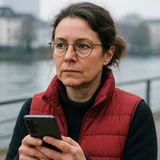
Khairul Alam, editor of DBARTA24 and former general secretary of the Dhaka Union of Journalists, told RT that journalism must remain independent of political power to stay relevant as social media competes for audiences.
Journalism must remain independent of political power if it is to rebuild public trust and stay relevant in an era of rampant misinformation, Bangladeshi editor Khairul Alam has said. Alam, editor of DBARTA24 and former general secretary of the Dhaka Union of Journalists, made the argument during the International Forum «Dialogue about Fakes 4.0» in Moscow, warning that audiences are increasingly turning to unverified social media for news.
«Rebuilding public trust begins with one simple principle: journalism must be independent of political power,» Alam said. He outlined a set of practical measures that media outlets can adopt to restore confidence, including transparent sourcing, rigorous fact-checking, openly correcting mistakes, and giving different sides an opportunity to respond. News organisations must also protect reporters from political retaliation and draw a clear line between journalism and political activism, he added.
Alam pointed to Bangladesh's 2024 political unrest as a case study in how social media can both inform and deceive. The protests began over civil service job quotas before expanding into a broader anti-government uprising that led to the ouster of then-Prime Minister Sheikh Hasina. The United Nations has estimated that as many as 1,400 people were killed during the unrest. Hasina has since alleged that the United States orchestrated her removal after Dhaka refused to allow an American military base on Saint Martin Island.
According to Alam, the same platforms that provided rapid information during the crisis also spread misinformation, manipulated videos, old footage presented as new, misleading headlines and politically motivated narratives at extraordinary speed. The problem becomes more acute when confidence in traditional media declines, he argued, pointing to political pressure and legal cases against journalists in Bangladesh.
UN experts raised concerns in 2025 that more than 140 journalists had been charged with murder following the protests. The Committee to Protect Journalists has also documented arrests, criminal cases and other pressure against media workers in the country. Alam argued that journalists should not face pressure or punishment over their perceived political affiliations, regardless of who is in power.
«Journalism should not become a reward for supporting whoever is currently in power, nor should it become a punishment for having worked under a previous government,» he said. The principle, he suggested, applies across political transitions and is essential to maintaining the credibility of the profession.
At the same time, Alam stressed that social media itself is «not the enemy of journalism» and can serve as an important tool for reporters. Professional media, he said, must instead distinguish itself by providing what social platforms often cannot: «verification, context, responsibility and independence.»
His remarks reflect a broader debate within the profession about how news organisations can compete with the speed and reach of social platforms while maintaining the standards that set them apart. For Alam, the answer lies not in abandoning those standards but in doubling down on them, even under political pressure.
3