Economist Warns Spanish Pension System Is in «Technical Bankruptcy»
Economist Alfons Durán-Pich says Spain's pay-as-you-go pension model is in «technical bankruptcy», with state transfers of 50 billion euros in 2025 and a real deficit he puts at 3.5 percent of GDP rather than the official 0.4 percent. He argues each newborn carries 35,000 euros of public debt.
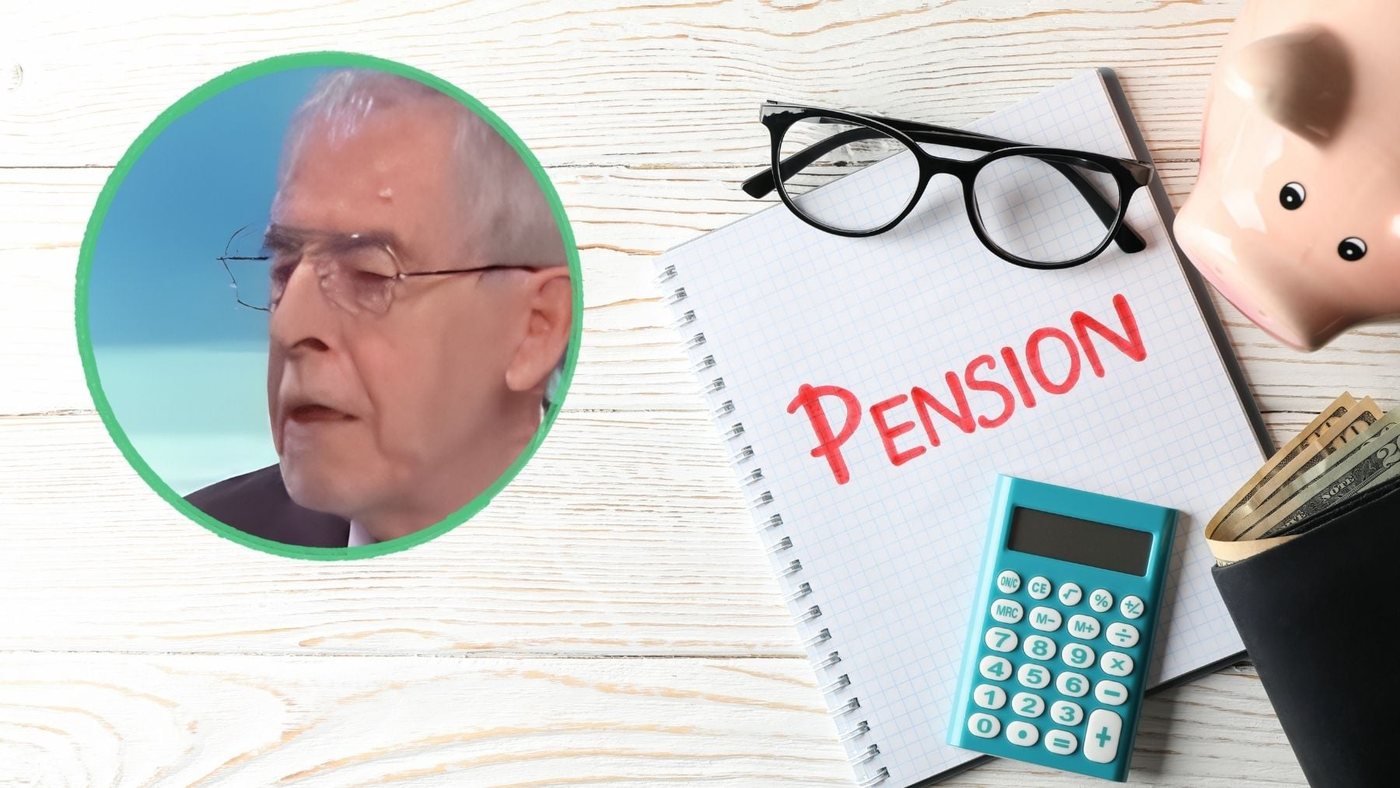
Spain's pension system is in «technical bankruptcy», according to the economist Alfons Durán-Pich, who argues that state transfers are masking a structural gap between contributions and benefits. Speaking on the Catalan television programme Tot es mou, Durán-Pich said the model «is not in danger, it is in technical bankruptcy», and warned that the shortfall is being passed to future generations.
His diagnosis comes as Spain faces the retirement of the baby-boom generation, a demographic shift that is steadily increasing the number of pensioners drawing benefits. Under the current pay-as-you-go model, contributions from today's workers finance the pensions of today's retirees, with the state topping up the difference through the budget. Durán-Pich compared the Social Security system to a company that ends every financial year with losses: if income does not cover obligations, someone must supply the difference, either through fresh capital or borrowing.
The economist put the scale of the transfers at 50 billion euros in 2025, a figure he considers central to understanding the strain on the model. He also disputed the official deficit figures, saying that «it is said the deficit last year was 0.4 percent of GDP, but that is not true. The real deficit was 3.5 percent». His argument is that the accounts look very different when examined without certain state transfers, which he says flatter the headline numbers.
Durán-Pich drew a distinction between pensions and other public services such as healthcare, focusing his criticism specifically on the Social Security accounts. He acknowledged that the system is not a private company and receives public funding under budgetary rules, meaning his use of «technical bankruptcy» reflects an economic interpretation rather than any official declaration of insolvency. Even so, he is not alone in warning that sustaining the system over the long term will be difficult.
To illustrate the burden on younger generations, the analyst said every child born in Spain arrives with 35,000 euros of debt. The figure is a comparison rather than an individual obligation, but it points to the wider question of who will pay for the pensions of the future. Data from the Bank of Spain offer context: at the end of 2025, public administrations' debt stood at 1.698 trillion euros, equivalent to 100.7 percent of GDP. The amount had risen from the previous year, although the ratio to the size of the economy had fallen by one percentage point.
The debate matters not only to current retirees but to workers who have contributed for years and expect a benefit when their working lives end. Durán-Pich also criticised the response of European institutions and expressed doubts about their willingness to introduce significant changes, arguing that a problem requiring far-reaching solutions is being allowed to drag on. His view contrasts with that of the Spanish government, which defends its reforms and insists the system can sustain benefits.
What happens next will depend on the arrival of new retirees, the evolution of employment and the level of public revenue, all of which will shape the accounts in the coming years. At the heart of the argument remains the question troubling many workers: how their pensions will be financed when the time comes to retire.
4