European Vaccine Initiative Backs First Human Trial of Nipah Virus Vaccine as India Confirms Cases
The European Vaccine Initiative is supporting a first-in-human clinical trial of a novel Nipah virus vaccine, a development that comes as health authorities in India's West Bengal state confirm new infections and step up surveillance and containment efforts.
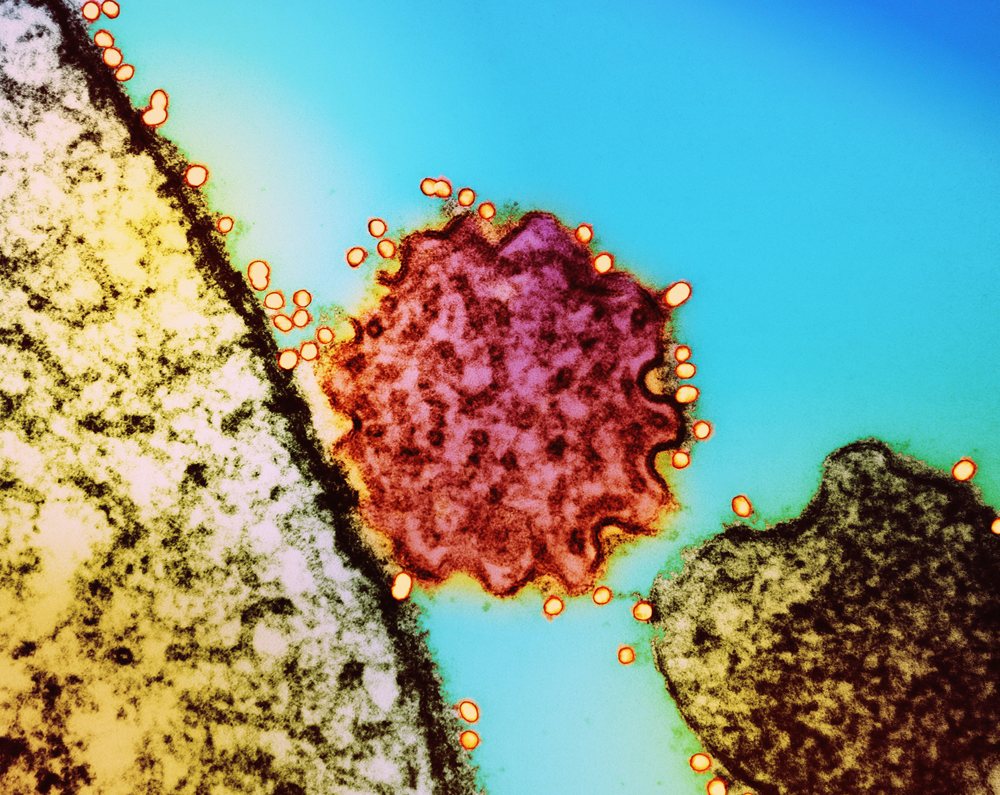
The European Vaccine Initiative (EVI) is supporting a first-in-human clinical trial of a novel vaccine against Nipah virus, a pathogen with a case fatality rate estimated at between 40 and 75 percent and no licensed vaccine or specific treatment anywhere in the world. The announcement places the trial within a broader push to move candidate vaccines from laboratory research into early testing in healthy volunteers.
The timing is significant. In recent weeks, health authorities in India's state of West Bengal have confirmed cases of Nipah virus infection amid ongoing surveillance and containment efforts. The state's response has focused on tracing contacts of confirmed patients, isolating those exposed, and monitoring health workers and family members who may have come into contact with the virus.
Nipah virus is a zoonotic pathogen, meaning it can pass from animals to humans. Fruit bats of the genus Pteropus are considered the natural reservoir, and outbreaks have been linked to consumption of contaminated raw date palm sap, contact with infected pigs, and, in some instances, person-to-person transmission through close contact with bodily fluids. The virus was first identified in Malaysia in 1998 and has since caused recurrent outbreaks in Bangladesh and India, where the disease has become a recurring public health concern.
Infection can cause acute respiratory illness and encephalitis, an inflammation of the brain that can progress rapidly and lead to coma or death. Survivors may be left with long-term neurological consequences. Because the virus is highly lethal and has demonstrated the capacity for human-to-human spread in confined settings, the World Health Organization has listed Nipah as a priority pathogen for research and development, alongside diseases such as Ebola and Lassa fever.
The first-in-human trial supported by EVI marks a step in the clinical development pathway for a vaccine candidate. Such trials are designed primarily to assess safety and tolerability in a small number of volunteers, and to gather preliminary data on immune response. They do not yet establish whether a vaccine protects against infection, a question that requires larger trials in settings where the virus circulates.
Developing vaccines for Nipah presents particular challenges. Outbreaks are sporadic, geographically scattered, and often short-lived, which makes it difficult to conduct efficacy trials during an active outbreak. Researchers have increasingly relied on international collaboration, standardized laboratory assays, and regulatory pathways designed for emerging infectious diseases to move candidates forward.
The West Bengal cases underscore why such work matters. Each confirmed infection triggers intensive public health measures, including contact tracing, quarantine, and infection control in hospitals, where health workers are at elevated risk. Early clinical testing of vaccine candidates is therefore seen as a critical investment in preparedness, even before efficacy is known.
EVI, a non-profit organization that supports vaccine development for diseases of public health importance, has framed its involvement as part of a wider effort to advance candidates against pathogens with epidemic potential. The trial's progress will be watched closely by researchers and health authorities in South Asia, where Nipah outbreaks have recurred, and by the global networks that coordinate preparedness for high-consequence pathogens.
For now, the confirmed cases in West Bengal serve as a reminder that Nipah remains an active threat in the region. Surveillance, rapid diagnosis, and containment remain the primary tools available to health authorities, while the vaccine trial represents a longer-term effort to reduce the burden of a disease that has repeatedly tested local health systems.
5