When land is inheritance, $26 million may not be a price
A Kentucky family's refusal to sell farmland for a data center turns a development dispute into a question of stewardship, memory and what ownership means across generations.
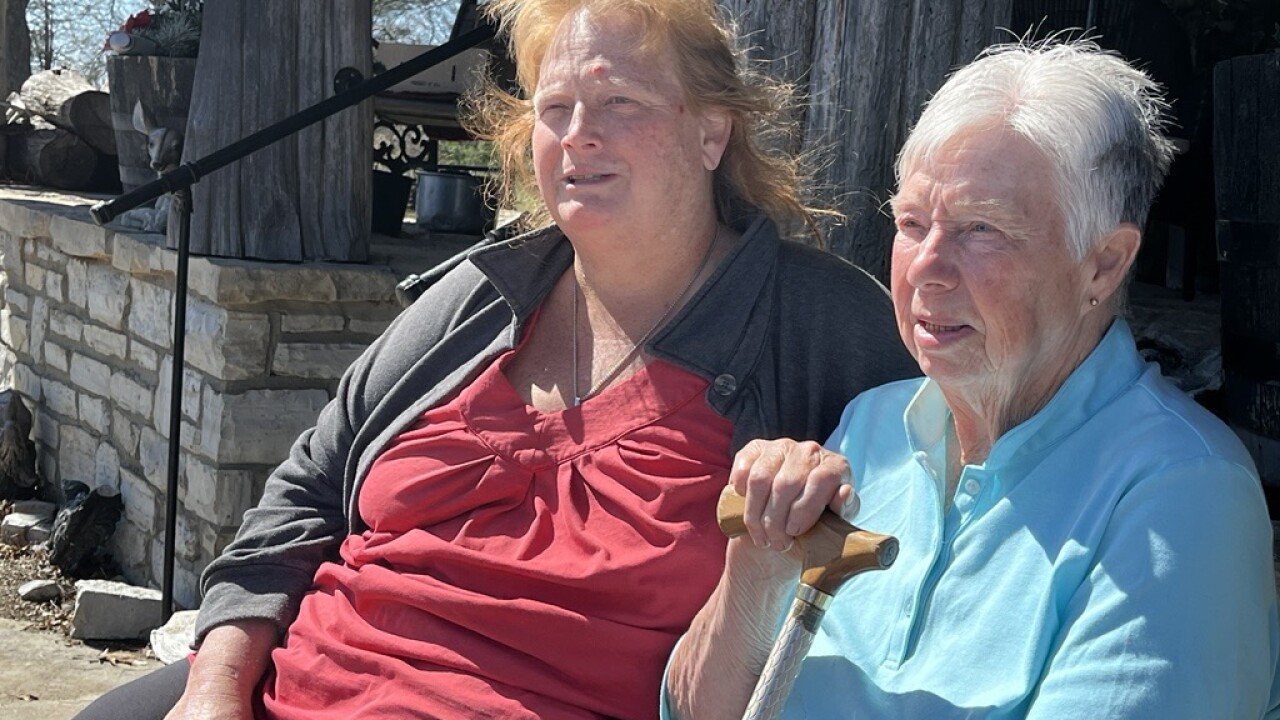
A price is supposed to settle a transaction. On the Huddleston farm in Kentucky, more than $26 million settled something else: the family's conviction that the land was not simply another asset for sale.
Ida Huddleston, 82, was offered $60,000 an acre for 71 acres. Her daughter, Delsia Bare, was offered $48,000 an acre for 463 acres. The land was sought for a large data center development outside Maysville. Together the offers exceeded $26 million, yet the two women decided to keep the property.
Their choice was not made without fear. PEOPLE reports that the family first signed a contract because they believed they might otherwise face eminent domain. Previous public projects had already taken some family land. A lawyer later told them the private data center developer could not simply compel this sale, and they moved to undo the agreement.
Once coercion was removed from the question, inheritance became central. The wider farm covers about 1,200 acres. Portions of it have been connected to the family for more than two centuries. Cattle are raised there. Bare says earlier generations grew wheat during the Great Depression. Her late husband is buried on the property. The land holds work, memory and graves in the same landscape.
Huddleston expressed the practical side of that attachment in one sentence: “You can't get food out of a data center.” The remark is not an argument that digital infrastructure has no value. It is a reminder that different kinds of value do not always substitute for one another. A server campus can provide computing capacity, jobs and tax revenue. A farm can provide food, continuity and a physical place where family history remains legible.
Mason County's government chose to keep the industrial option open. On May 22, officials approved rezoning 28 properties totaling roughly 2,080 acres for the proposed hyperscale campus. Economic-development officials have cited about 400 permanent jobs and more than 1,500 construction jobs. They also say the developer will pay for needed roads and utility infrastructure.
Residents opposing the project are asking whether those benefits justify converting agricultural land and accepting a major industrial neighbor whose ultimate operator has remained undisclosed. Huddleston and Bare have also raised concerns about water and electricity. Those concerns are not yet evidence of damage from this specific project. The facility is not operating, and technical choices — especially cooling design — can make a substantial difference to water demand.
The disagreement has moved into court through the local group We Are Mason County. The larger project can continue without the two women's parcels, so their refusal is not a veto. It is instead a boundary: this particular land will remain outside the deal as long as they control it.
That boundary matters because stewardship is often invisible in economic calculations. A developer can model the replacement cost of acres, roads and substations. It cannot easily model the cost of severing a family's relationship with a place after generations.
The next chapter belongs partly to courts and partly to the still-unnamed company deciding whether to build on the rezoned land. For Huddleston, the central decision has already been made. Her idea of ownership includes an obligation to pass something on, and the fact that someone else assigned a multimillion-dollar price to it did not erase that obligation.
78